
EU EV batteries may not be sufficient starting in 2028. Chinese cells are 33% cheaper
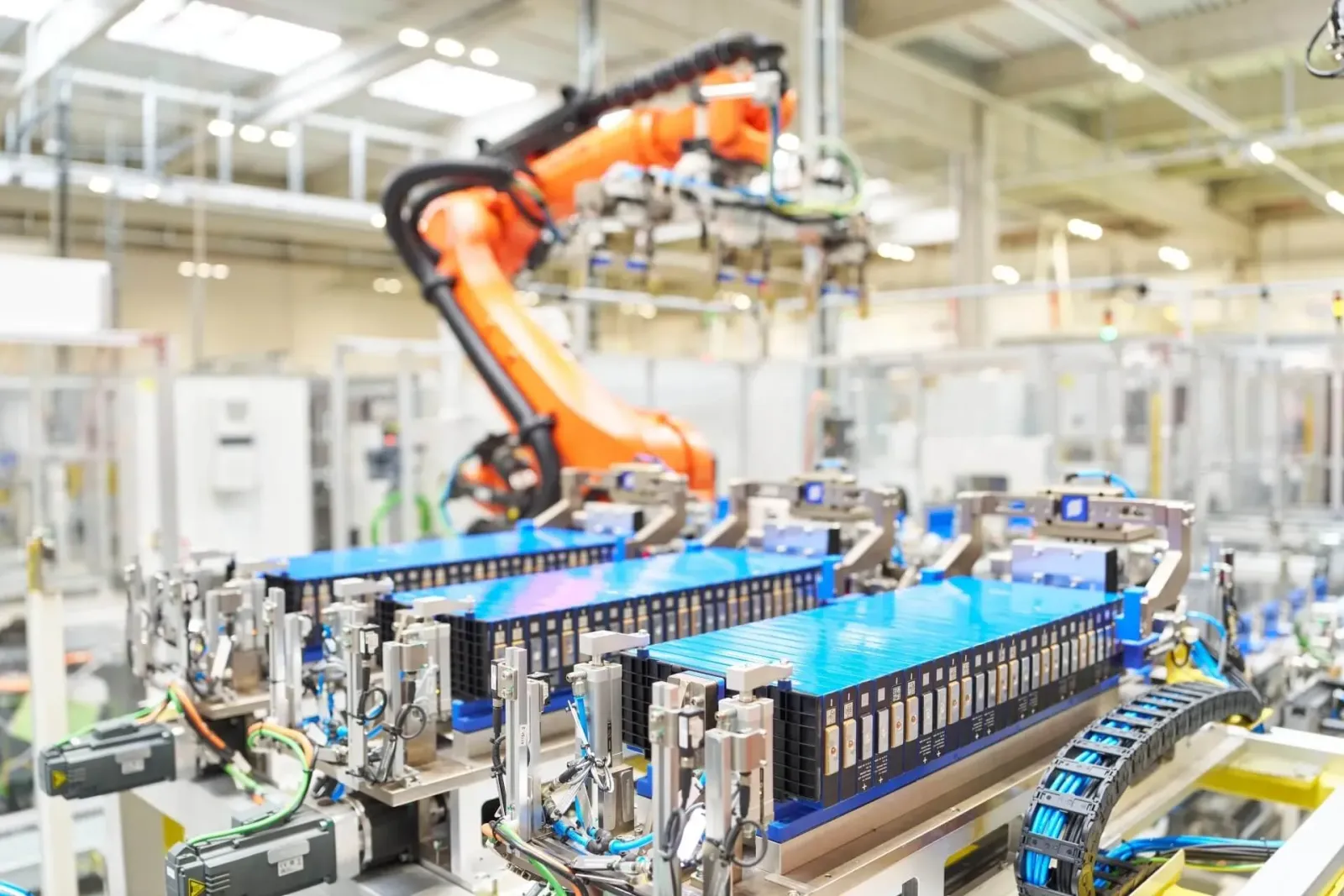
The European Union is considering requirements for batteries to be locally sourced for electric vehicles that receive public subsidies. A Mobility Global analysis prepared for ACEA estimates that Europe’s supply chain may struggle to keep up once the first phase of the Industrial Accelerator Act, scheduled for 2027-2028, begins.
The biggest issue isn’t just the number of gigafactories. Europe is mainly building capacity for NMC chemistry, while the market is increasingly shifting toward cheaper LFP batteries, where China holds a competitive advantage.
Three European components by 2028, five after 2030
The first phase of the Industrial Accelerator Act stipulates that an electric vehicle’s battery must have at least three main components manufactured in the EU, including cells. Around 2030-2031, this threshold is expected to rise to five components, including mandatory cells, a battery management system (BMS), and cathode active materials, or CAM.
Mobility Global examined three scenarios: regulating the entire EV market, fleet and public vehicles, and only commercial cars along with public sector orders. ACEA estimates that “in all scenarios except one, supply will not keep up with demand,” despite European battery production rising to 306 GWh by 2032.
If regulation is implemented in 2028, even 3 million vehicles might fail to meet the criteria for the intended incentives solely due to a lack of appropriate battery components. For consumers, this wouldn’t be a technical curiosity but rather fewer models eligible for support.
In commercial vehicles, the gap becomes even larger. The shortfall between demand and local battery supply for medium and heavy trucks as well as freight vehicles is expected to reach 23 GWh by 2032. Demand at that time is projected to be about four times higher than European supply.
LFP, raw materials, and price remain in China’s hands
The report’s authors make it clear: “Location is limited by technology, price, and availability, not just production capacity.” A battery factory without local cathode and anode materials will still rely on imports.
Most European projects were designed for NMC, which uses nickel, manganese, and cobalt. Meanwhile, LFP’s share is set to rise to around 35% of the market. Currently, only two facilities in Europe can produce LFP batteries, and by 2032, three out of five such factories are expected to be owned by Chinese entities.
Then there’s the price factor. Batteries produced in Europe currently cost 24-33% more than imported equivalents from China. The difference amounts to $14.70-$19.70 per kWh. In a 60 kWh battery, this translates to roughly $882-$1,182 before adding manufacturer margins, transportation costs, and taxes.
Even Chinese companies that produce in Europe have a cost advantage over local competitors, estimated at 12-17 percent. This advantage comes from their access to cathode active materials and experience in operating large-scale factories.
The most challenging parts of this puzzle are CAM and AAM, namely cathode and anode active materials. By around 2030, demand for cathodes is expected to be nearly twice higher than Europe’s production capacity, even under a cautious scenario. The shortage of these materials could persist until the 2038-2040 period.
Therefore, Europe might need local batteries sooner than it can establish a domestic supply chain from raw materials to cells. Should the EU first incentivize production, including that of Chinese companies on its territory, rather than immediately raising origin requirements?
LovEV Newsletter
Want more content like this?
Sign up — we’ll send you a weekly summary once the newsletter starts.