
Hungary's Charging Break: When the Car Has to Wait
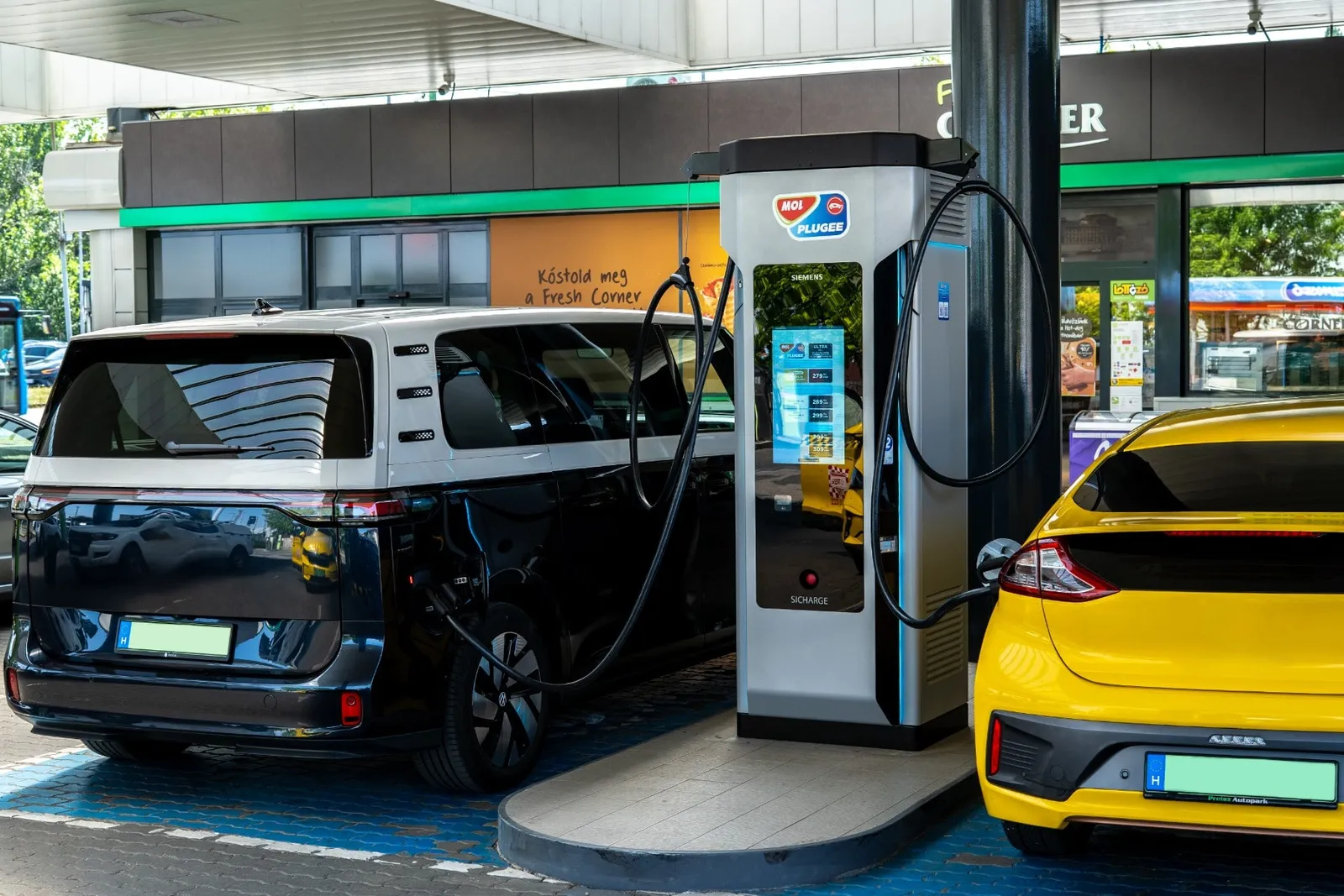
In Hungary, heat and drought have had direct impacts on electric vehicle drivers for several days now. Since the country’s only nuclear power plant in Paks can currently operate at only a fraction of its capacity due to a lack of cooling water from the Danube, there are calls to reduce electricity consumption especially during peak evening hours.
The measures now taken by several charging network operators aim primarily to ease the peak demand between 5 p.m. and 10 p.m., when the use of air conditioning drives electricity consumption in the country to an exceptionally high level. MOL has been limiting the power output of its MOL Plugee fast chargers with a capacity of at least 150 kW between 5 p.m. and 10 p.m. to a maximum of 100 kW since early August. The energy company had previously closed its own car washes and urged its franchise partners to take similar actions. E.ON Drive Infrastructure Hungary has been reducing the available power at locations with fast chargers of 300 kW or more by 50 percent during the same time period since August 3, which, according to the company, frees up up to ten megawatts of grid capacity.
Shell Recharge starts an hour earlier: Since August 5, the power output of fast chargers at Shell stations between 4 p.m. and 10 p.m. has been limited to a maximum of 150 kW per charging station, while chargers at Tesco parking lots were temporarily shut down entirely. Metro disables its charging stations at all locations via software daily between 4 p.m. and 10 p.m.
Higher electricity prices aim to shift charging times
EV.app, operated by EV.analytica, adopts a monetary approach. Instead of reducing charging power, the service uses a clear price signal: It charges 420 forints (around 1.16 euros) per kilowatt hour temporarily for charging sessions started during peak evening hours, to encourage drivers to reschedule their charges.
The charging infrastructure thus becomes a tool for load management in the power grid in the short term. While it is not a new idea for HPC facilities to adjust their capacity dynamically based on available grid capacity, in Hungary several operators are now applying this principle simultaneously as a response to exceptional grid stress.
For electric vehicle drivers, this likely means longer charging times, higher prices, or simply a charging station that is unavailable for several hours. At the same time, the situation clearly illustrates where the trend toward a more electrified energy and transportation sector is heading: not every kilowatt-hour can flow at maximum capacity at all times.
Or put differently in less technical terms: When the air conditioner, power grid, and electric car all simultaneously realize they need energy urgently, someone has to give in. In Hungary, that someone is currently the car. This is naturally inconvenient for its owners. For everyone else, it represents a much more pleasant alternative to a power grid that would otherwise simply run out of power.