
A U.S. battery startup cancels a $264,000,000 factory and chooses China: "The secret ingredient is here
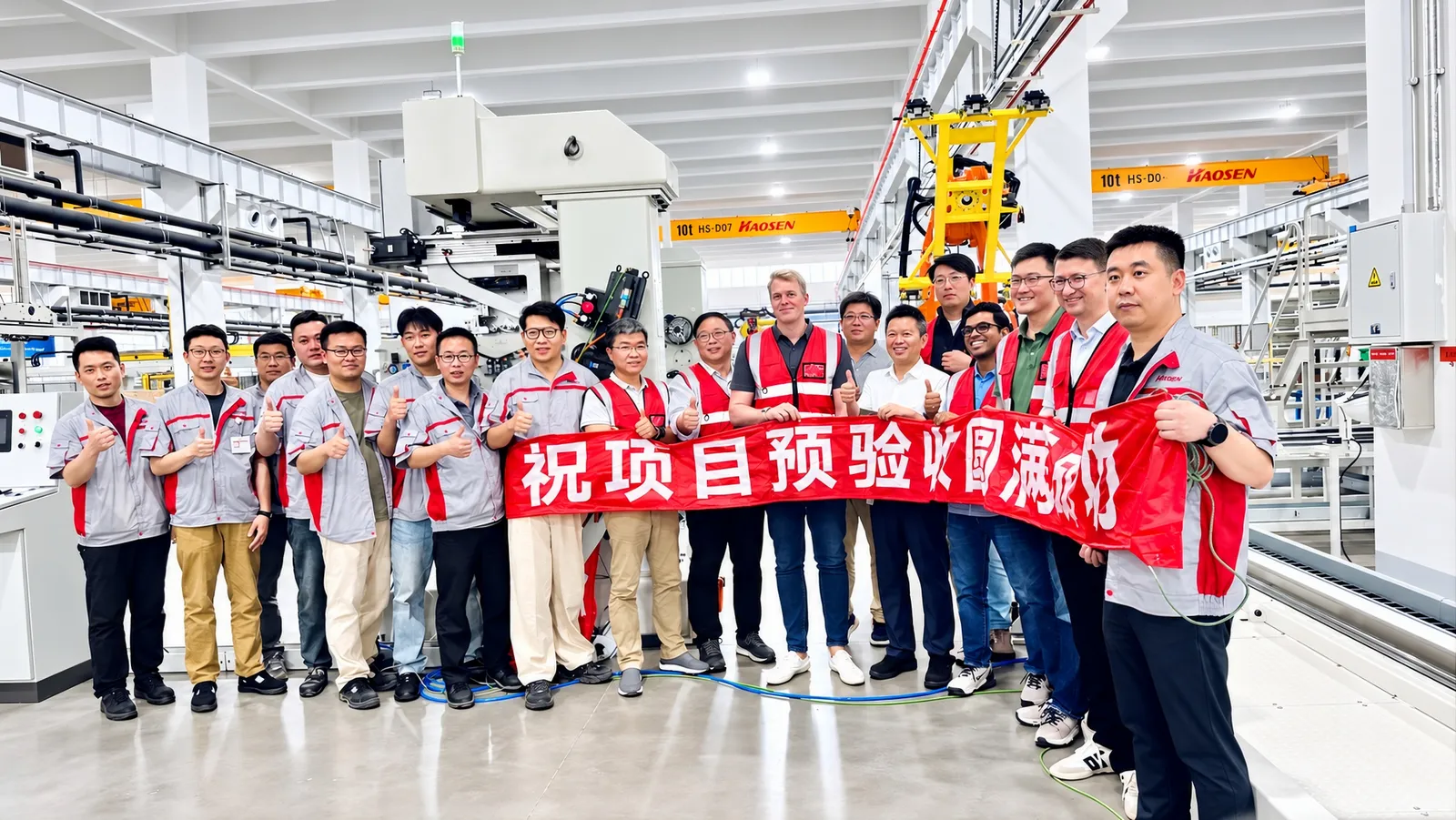
EnerVenue, an American startup focused on nickel-hydrogen batteries, has made a significant shift in its industrial strategy. After canceling a $264 million factory in Kentucky, the company has decided to start large-scale production in China, where it has recently opened a new plant in Changzhou.
The facility will begin mass production this week and will be crucial for proving that its technology can be manufactured at a commercial scale. Its CEO, Henning Rath, explained that the decision is largely due to the concentration of suppliers, engineers, and specialized manufacturers in that region of China.
From Kentucky to China
EnerVenue announced in 2023 a factory in Kentucky that was supposed to require an initial investment of $264 million and create around 450 jobs. The project was eventually canceled, and the company used this change in plans to redesign both its batteries and its production system.
The result is the new plant in Changzhou, which will be automated at approximately 95% and employ around 400 workers. Its initial capacity will be about 250 MWh per year, though the company intends to increase this volume rapidly in the coming months.
Rath summarized the main reason for choosing China: "The secret ingredient is this industrial cluster." The executive is referring to the massive concentration of suppliers, machinery, engineers, and specialists related to the battery industry around Changzhou.
According to EnerVenue’s CEO, without that ecosystem it would have been "very difficult" to demonstrate the commercial-scale production process with the company’s available capital. Thus, the advantage lies not only in the lower production costs in China but also in having virtually the entire necessary industrial chain concentrated in one location.
The Chinese factory will cost between 20 and 50 million
The difference compared to the American project is particularly striking. While the plant planned in Kentucky was estimated at $264 million, Rath puts the cost of the new Chinese factory at between $20 and $50 million.
That said, these two figures should not be compared directly, as they do not represent identical projects. EnerVenue modified its product and simplified the manufacturing process after canceling the Kentucky project, though this difference helps illustrate how much the company views China as a competitive location for starting production.
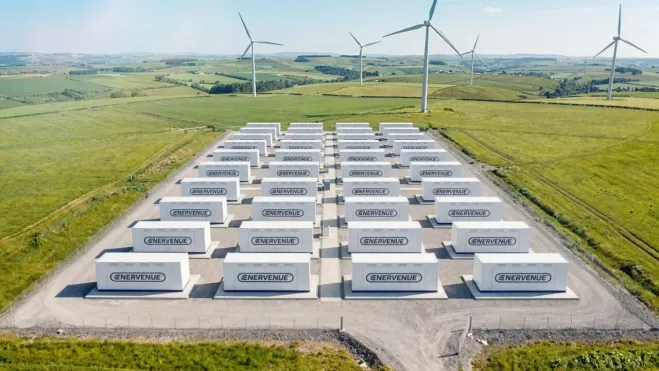
EnerVenue does not manufacture the conventional lithium-ion batteries that currently dominate electric vehicles. Its technology relies on nickel-hydrogen batteries, a chemistry that has been used in space applications for decades due to its high durability and resistance.
This type of battery has been used in systems related to NASA missions, including the Hubble Space Telescope and the International Space Station. EnerVenue has adapted this technology for terrestrial applications, mainly large storage systems for power grids, renewable energy facilities, and industrial uses.
The factory will begin operations with an approximate capacity of 250 MWh per year, but EnerVenue already has a much more ambitious goal. The company aims to reach 1 GWh of annual capacity by the third quarter of 2027, which would represent a fourfold increase from the initial volume.
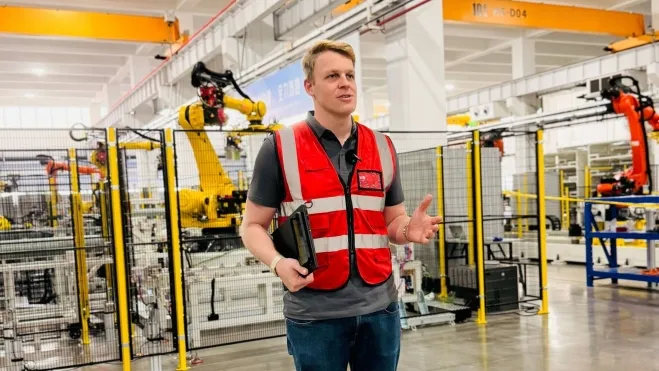
China will thus become the first major industrial testing site for a technology originally developed in the United States. The company will use this facility to determine whether it can manufacture its batteries competitively before bringing the same production model to other markets.
Europe is also on their agenda
EnerVenue does not intend to stay solely in China. The company plans to build similar facilities in North America, the Middle East, and Europe starting in 2028, provided that the Changzhou factory demonstrates that the process can work at a commercial scale.
The case once again highlights one of China’s current major advantages in the battery industry. It’s not just about having large manufacturers, but also about having suppliers, machinery, engineers, and materials concentrated in massive industrial hubs that can accelerate the transition from prototype to mass production.
In this case, that advantage has been sufficient for an American company with technology historically linked to NASA to choose China to build its first large-scale factory.