
Another victim of the SUV fever: the next Opel Astra will be very different from the current model
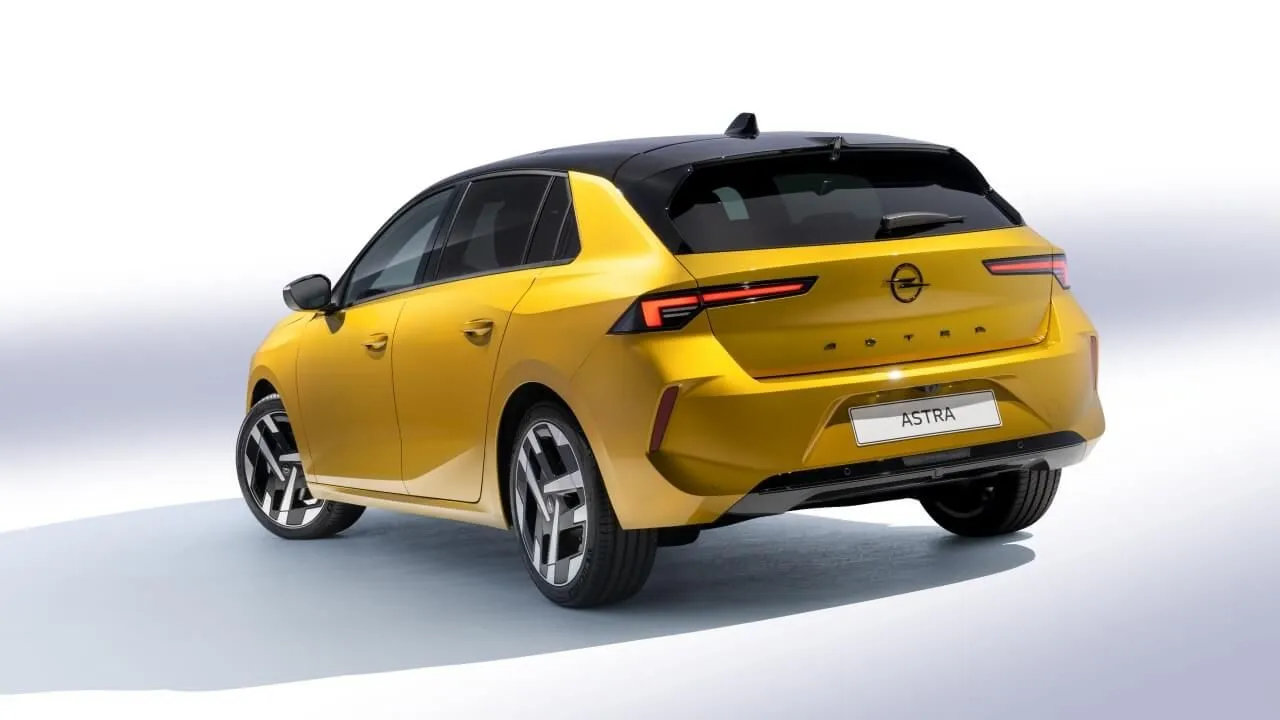
Compacts are dying out. After overtaking minivans and sedans, the SUV craze now threatens one of the most popular body styles in the European market over the past few decades: C-segment hatchbacks. Sales of these vehicles have been plummeting for years, and many manufacturers are responding accordingly.
For example, Ford has discontinued the Focus, while Renault has turned the Mégane into a crossover. The next Opel Astra may follow in their footsteps: Florian Huettl, CEO of the lightning-bolt brand, confirmed that the model could be offered exclusively in a family-style body style. Additionally, some rumors suggest it might feature certain crossover elements, following a similar approach to the Dacia Striker.
"I can assure you that there will be a family version, because that’s what our domestic market [Germany] demands, and that’s what we will offer." This move would be similar to the one Volkswagen made with the latest Passat, which is sold only in the family Variant body style because this format is much more popular in Europe than traditional sedans.
The new generation of the Astra will arrive in 2029-2030 and will be based on the STLA One platform. Just like the current model, it will have many similarities to the Peugeot 308, which could also undergo a similar transformation (some sources suggest it will turn into a fastback with a design similar to the 408, but in a smaller format).
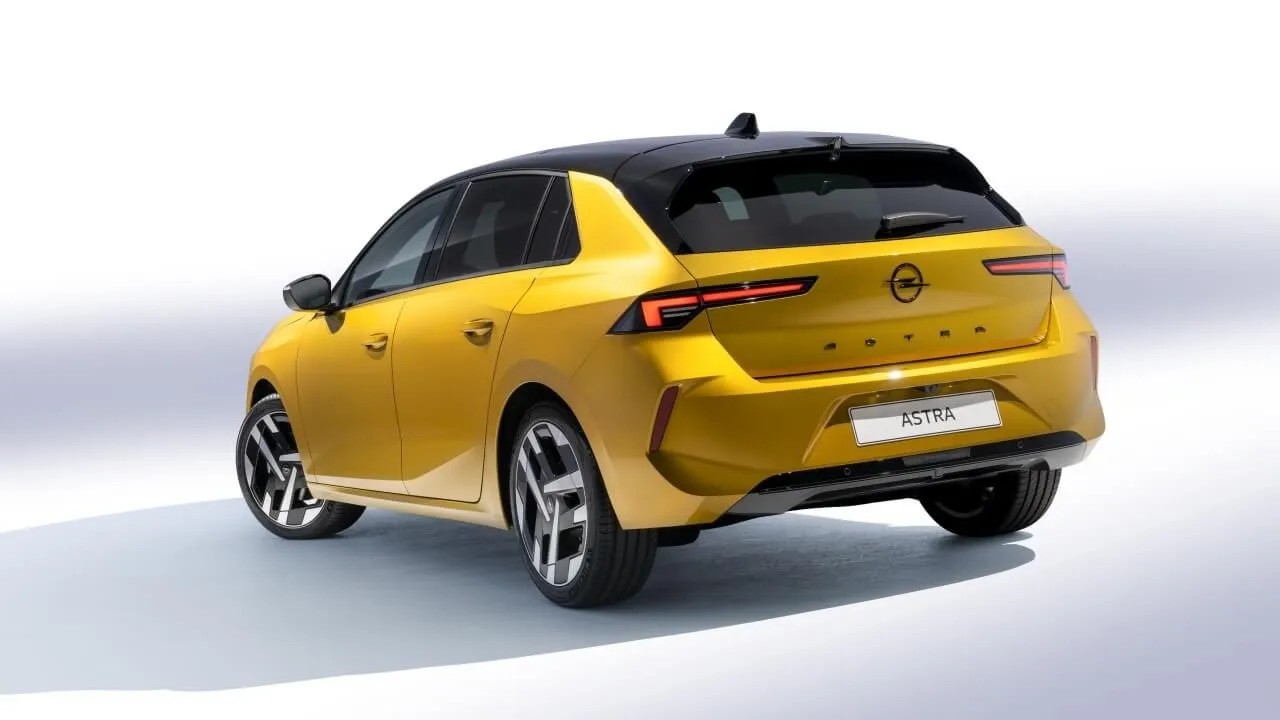
The Opel Astra will remain related to the Peugeot 308
Thanks to the use of STLA One, the Opel Astra will continue to offer a multi-energy powertrain option. "It will undoubtedly be a battery electric vehicle (BEV). But STLA One isn’t limited to just electric power, so we’re currently working on determining the optimal setup for the propulsion systems." This architecture will feature an 800-volt system, which should significantly improve the charging capabilities of the current Astra Electric.
We can also expect a significant improvement in range, as the 454 km WLTP of its predecessor falls short compared to rivals like the Volkswagen ID.3 Neo, which achieves 628 km WLTP. On the other hand, it’s unclear whether the plug-in hybrid version will continue to be offered, as it currently accounts for a relatively low percentage of total sales. It might be replaced by an electric version with extended range.
"Currently, our Astra and Grandland models come with plug-in hybrid versions, and while this technology accounts for a significant portion of sales, it is far from holding the same level of importance as fully electric or hybrid variants. [...] What matters to us here is long-distance driving, and what we see with first-generation Reev technologies is that sometimes a car may struggle to cover two hours on the German highway at 130-140 km/h."
Source | Auto Express