
Smart management of electric vehicle charging in Europe could save billions of euros, according to this study

27/09/2026 09:30
Updated to
27/09/2026 09:30
The widespread deployment of electric vehicles is often analyzed from the perspective of physical infrastructure or battery range. However, integrating this fleet into the energy infrastructure presents an equally significant challenge. The transition to zero-emission mobility requires a thorough adaptation of Europe’s electrical grids, but the cost of this transformation can be greatly reduced if charging technologies are optimized.
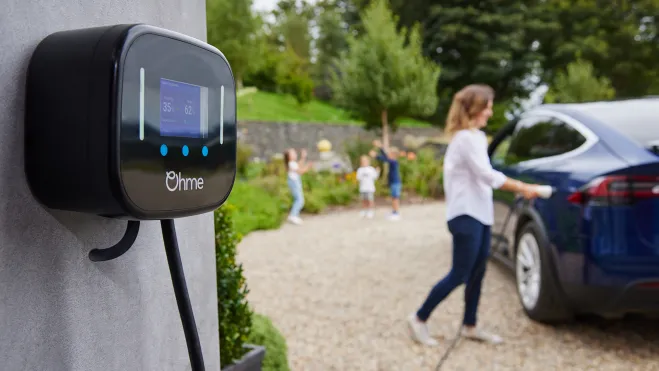
The study Electricity Grids in Europe examines how the widespread adoption of smart charging enables optimization of distribution network usage. The ability to dynamically manage when and at what power level vehicles are charged not only reduces pressure on the electrical system during peak hours but also avoids the need for costly infrastructure investments that would otherwise be unavoidable.
The economic impact of smart charging on European grids
The study highlights that adopting managed charging technologies could reduce the need for investment in Europe’s power grids by around 10.6 billion euros by the end of this decade. Without such management, operators would be forced to upgrade transformers, cables, and substations to handle simultaneous peak demands, especially when users return home at the end of the workday.
The principle of smart charging lies in flexibility. Through algorithms and dynamic pricing, the vehicle or charging station responds to signals from the electrical grid. In this way, charging automatically shifts to nighttime hours or times when renewable energy generation is high and overall demand is low. This adjustment minimizes the need to build new grid capacity solely to handle peak consumption periods.
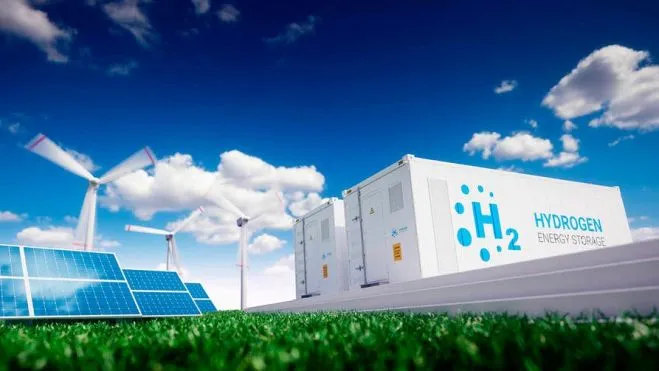
Beyond reducing costs in infrastructure, smart management of the loading process acts as a catalyst for decarbonizing the energy system. The intermittency inherent in renewable energy sources requires flexible tools that enable real-time balancing of supply and demand. Electric vehicles, designed as distributed storage units, provide this adaptability.
When green energy production exceeds the grid’s demand, electric vehicles can absorb this surplus at more competitive prices. This prevents the waste of clean energy and reduces reliance on fossil fuel-powered generation plants that are typically activated to meet sudden demand spikes. Synchronizing the availability of clean energy with vehicle consumption optimizes the overall performance of Europe’s energy system.
Transition toward V2G technology
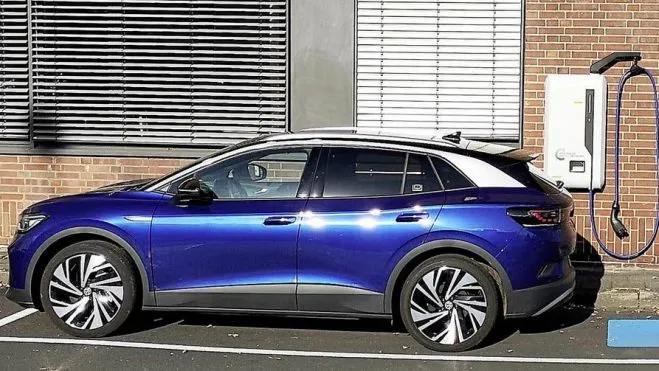
The study positions one-way smart charging as the first step in a broader shift toward two-way integration or V2G. While conventional smart charging adjusts the timing and speed of energy flow to the vehicle, V2G technologies enable the car’s battery to feed power back into the grid or home when needed by the system.
This two-way storage capability transforms electric vehicles into assets within the power grid. As their share increases in Europe’s vehicle fleet, the combined capacity of their batteries will provide massive storage support. This additional flexibility will further reduce the need for other backup sources and stabilize grid frequency, reinforcing the role of electrified transportation as a core element of continental energy security.