
A Tesla Roadster getting water damage, used electric vehicles gaining in value, Stellantis facing battery shortages, and Trump refueling up… welcome to Regen No. 84
Too busy? Regen summarizes the key electric vehicle news for you every Sunday in just a few lines.
New Electric Cars and Announcements
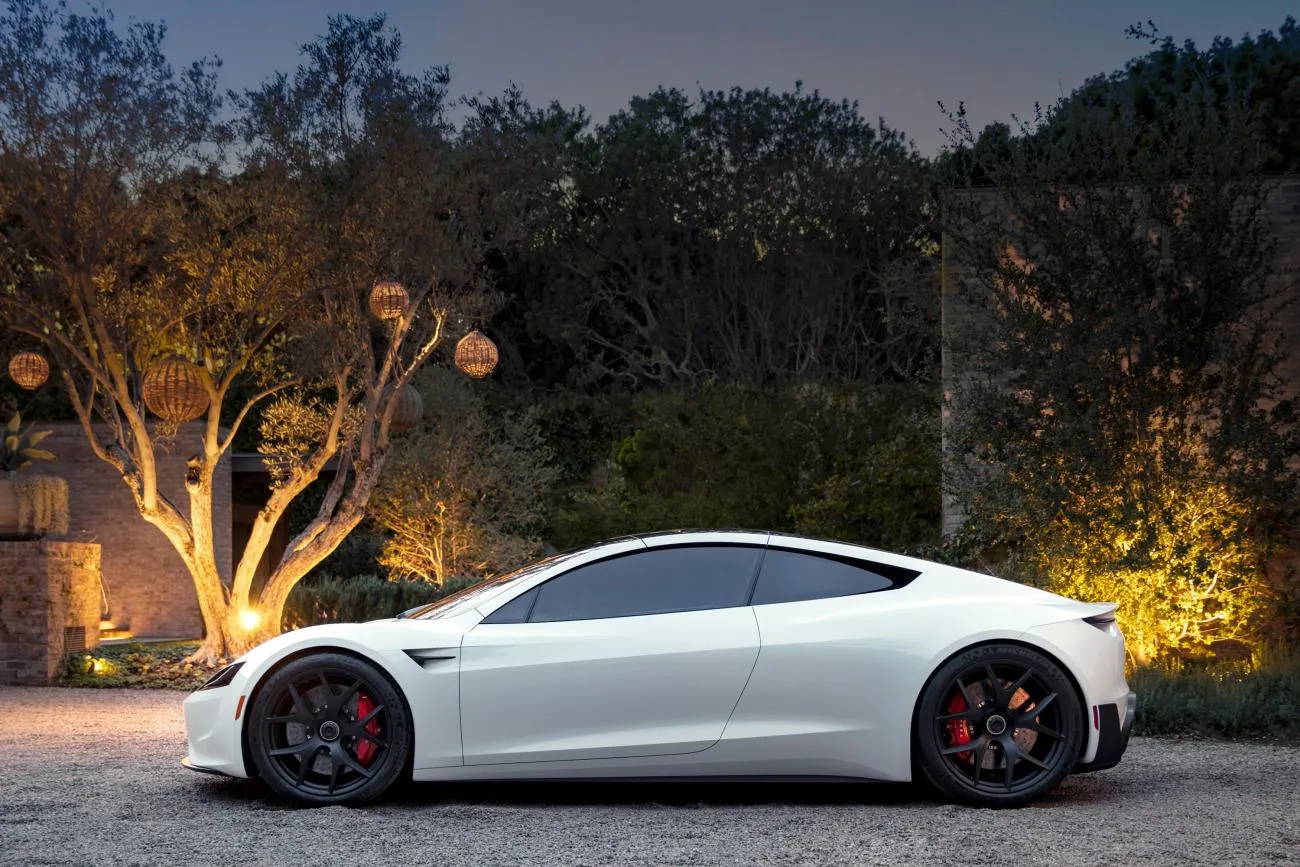
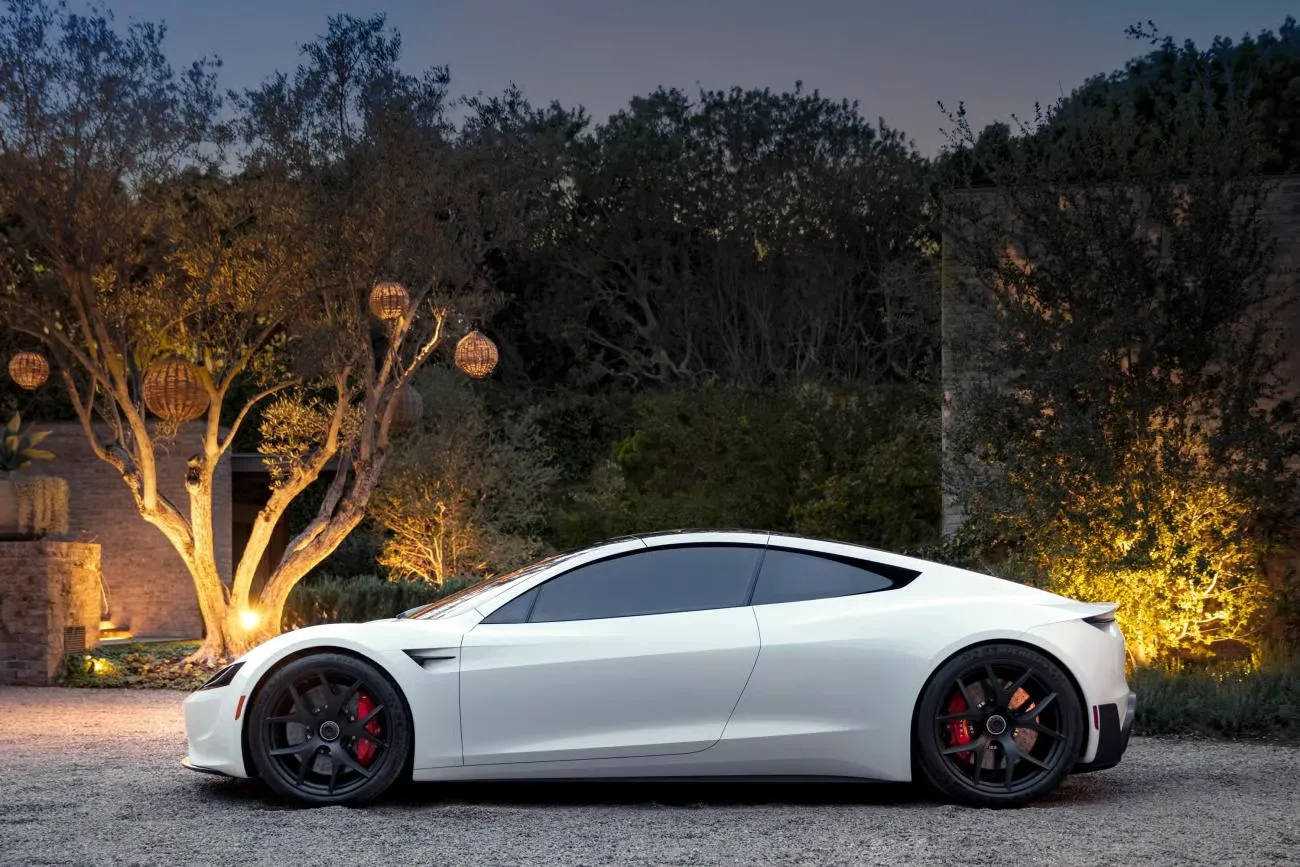
Tesla was supposed to finally unveil its new Roadster on October 1st. It’s been postponed again: the event has been moved to October 15th due to weather conditions in Texas, as the presentation can only take place outdoors. Well, it’s not a big deal—after 9 years of waiting and almost 7 years of delays, we can easily wait another 15 days.
The Range Rover Sport is becoming fully electric without any changes to its appearance. I don’t have a particular preference for this brand, its style, or SUVs in general, but I find this strategy interesting — electric power and its silent operation suit understated luxury particularly well.
At BMW, it’s the turn of the classic lineup for the new i3, featuring a smaller 82.8 kWh battery and a range of up to 710 km. And for those who still think it’s too expensive, Munich is confirming an electric compact car for 2028, likely the future i1. Rear-wheel drive, please. These people have taste.
Volkswagen has renamed the ID.4, and we’ve already gotten behind the wheel of its successor, the ID.Tiguan. Over 8 million Tiguans have been produced: the name is instantly recognizable to everyone, unlike “ID.4”. Between the electric Polo and Tiguan, the ID.3 will feel quite alone... until it’s simply renamed Golf.
The Smart #2 promises at least 290 km of range in a vehicle just 2.70 meters long. The previous Fortwo only reached 130 km of range. The price remains unknown, which will determine whether it becomes available beyond luxury neighborhoods.
For the new electric Alpine A110, all we’ll get at the auto show is a sculpture covered by a veil (not religious, even though the brand is iconic).
In the meantime, the new Hyundai Tucson arrives with a rechargeable hybrid capable of 81 km on electric power alone. But there’s no all-electric version in the works, as Europe’s best-selling compact SUV in 2025 stays cautiously balanced between both options.
Fiat is reviving (almost) the Multipla with the Multiplay concept, a pickup-SUV hybrid set to debut in Paris. The ugliest car in human history (alongside the Pontiac Aztec, to be fair) still has its fans.
Finally, there are two Fiat Topolinos redesigned by Fabrizio Giugiaro and Lapo Elkann, one of which pays homage to James Dean’s Porsche 550 Spyder. Hopefully, those who drive it won’t face the same fate, but at a top speed of 45 km/h, the risk is minimal.
Industry, Economy, and Regulations
Used electric cars are in high demand: sales rose by 32.1% in August, while the overall used car market declined by 4.8%. Those who predicted a drastic price drop can put away their calculators.
In terms of intentions, 24% of car owners say they are ready to switch to electric vehicles according to Ifop.
In fact, we’ve done the math again: with diesel costing 2.41 euros per liter, driving 15,000 kilometers costs 2,169 euros per year on diesel compared to 540 euros for an electric car charged at home. Diesel has become a luxury item.
This likely explains the huge success of the Frontera electric model in social leasing programs. The same trend is seen at Volkswagen, where the ID.Polo is performing better than any of the brand’s previous models in nearly 10 years.
Stellantis suffering from the current success of electric vehicles. The factories in Sochaux and Rennes will shut down for a few days in October due to a shortage of batteries. This French specialty of always running out of something...
We’ve been saying this for years, and no degree from Polytechnique is needed to understand that an electric car priced under 15,000 euros could attract millions of Europeans.
Opel is tired of SUVs and is developing the STX concept, an electric station wagon that will succeed the Astra.
On the geopolitical front, Ford’s CEO Jim Farley believes the game is over for European automakers against Chinese manufacturers. It’s terrifying to read that, isn’t it?
While Trump is boosting the electric vehicle market in Europe like never before, he’s reviving internal combustion engines back home. It’s heading toward a world with two speeds, I tell you.
Finally, tested in Brussels by an association of pedestrians and cyclists, Tesla’s FSD exceeded the speed limit on 16 out of 29 sections at 30 km/h, with an average speed of 44 km/h. The European vote previously scheduled for October is no longer on the agenda.
News on batteries and charging
Two months after a shooting at a Supercharger parking lot in Idaho, Tesla is introducing a feature in the U.S. that allows drivers to escape in case of danger while keeping the cable connected. It’s true that it’s never very reassuring to be tied to a charging station in the middle of a shopping mall parking lot at 2 a.m.
Can battery swapping finally take off in Europe? Nio and Geely are teaming up to say yes. Geely is also promising a charge in less than five minutes without damaging the battery.
Hyundai is dampening hopes for an early arrival of solid-state batteries while Volkswagen accelerates in LFP technology to reduce costs.
Finally, Zeplug and ChargeGuru are being overshadowed by a new brand: Tohmo.
Pro Corner
The Ford E-Transit now has a 96 kWh battery and claims a range of 432 km. For a large van, this is enough to cover many trips without needing to recharge in between. Its smaller sibling, the Transit City unveiled at the IAA, hides its Chinese origins well.
Here’s a numerical overview of global electric truck sales in the first half of 2026.
The CEO of Tesla Semi details his company’s ambitions in Europe: simply put, to be present wherever the market demands it. Business can sometimes be that straightforward.
Week’s Figure
1,000. That’s the number of sales outlets for Chinese company Leapmotor in Europe. Thanks to whom? Thanks to Stellantis.
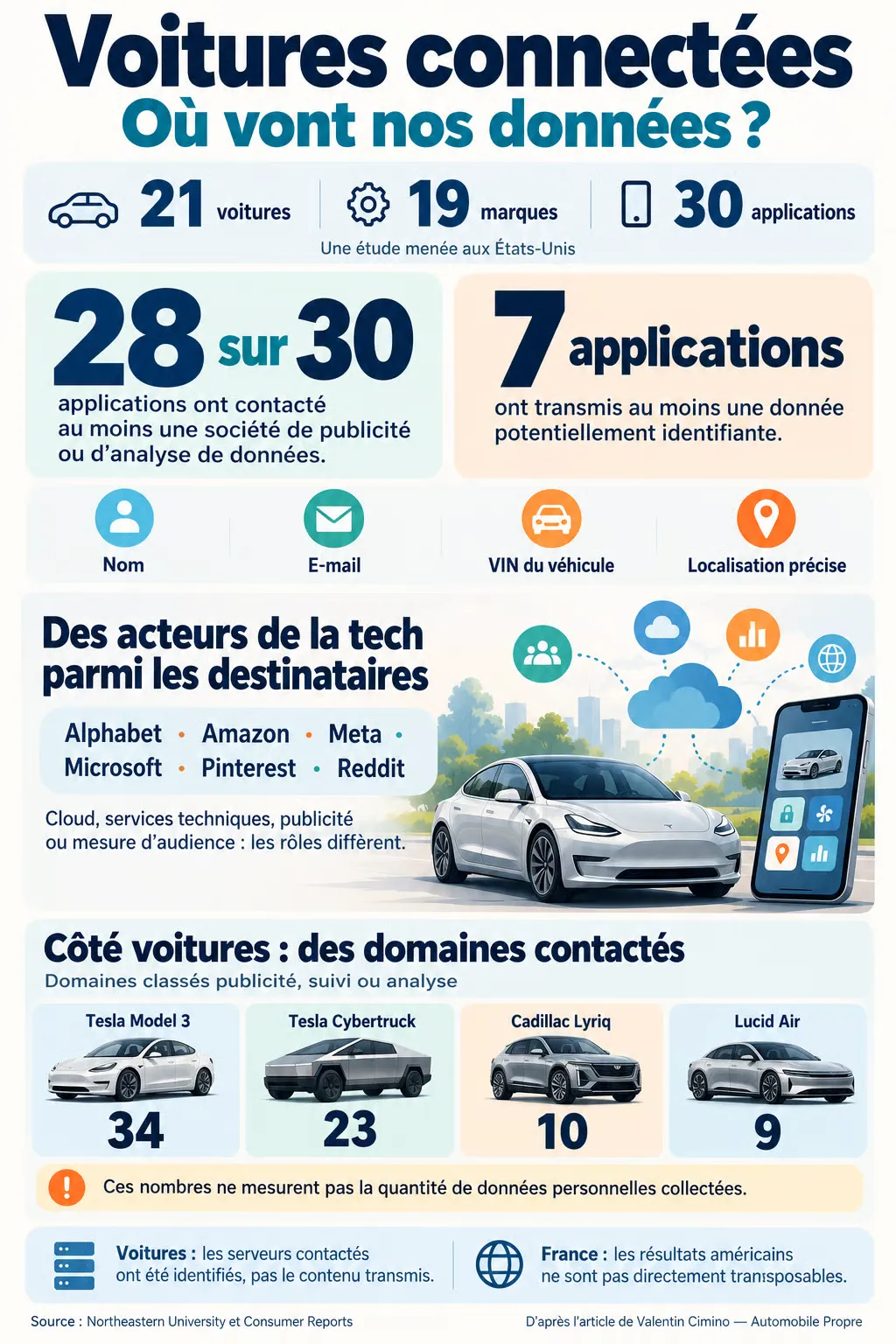
This Week’s Infographic
That’s all from me for today. See you next Sunday for another issue of Regen!
