
A Tesla Model Y with 180,000 km on the odometer debunks one of the major myths about fast charging
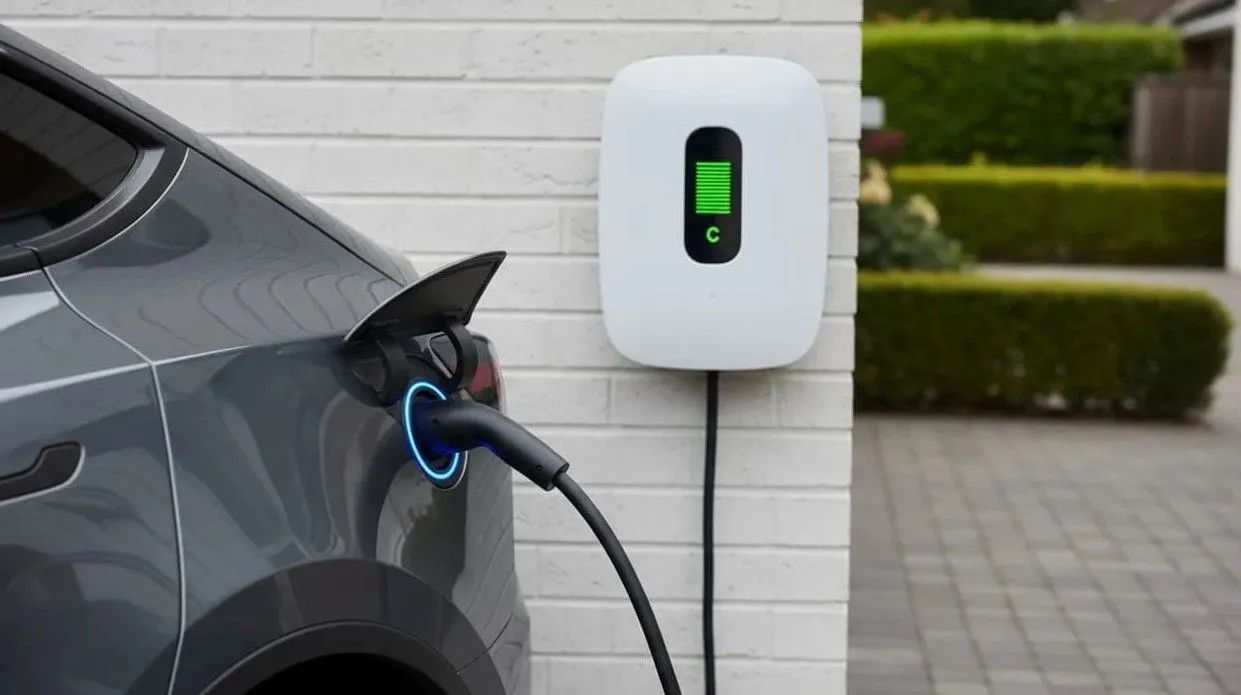
There has been a notion circulating among those who closely follow electric vehicles for years: frequent use of fast charging can accelerate battery degradation. The fact is, however, that data show a different picture.
One of many examples is a 2023 Tesla Model Y Long Range AWD that has just reached over 180,000 kilometers in just three years. What’s interesting isn’t only the mileage but also how it was used. It relied almost entirely on slow charging throughout its lifespan, yet its battery still shows a level of degradation that is quite high for its age.
The car was purchased secondhand by content creator Branden Flasch, who discovered a rather unusual usage history. According to information obtained from Tesla’s own battery health test, the Model Y had received around 2 MWh through DC fast charging, compared to over 40 MWh via AC charging. It had even received more energy from regenerative braking than through Superchargers.
With 179,800 kilometers covered in approximately three years, it’s clear that its previous owner used the car extensively. For vehicles with such mileage, one would typically assume a professional driver, such as a ride-sharing chauffeur, who would also rely heavily on fast chargers. However, everything suggests this was not the case.
Flasch found images recorded by the Model Y’s Sentry Mode system indicating that the previous owner had an exceptionally long daily driving distance of about 170 km. In other words, nearly 340 kilometers each day just to commute to work and back.
The result of such usage is striking. After picking up the car on the west coast of the United States and driving it to the east coast, using Superchargers along the way, Flasch ran the vehicle’s built-in battery health check. The result showed a 77% battery health, which translates to a 23% capacity loss over about three years.
It is a considerable figure and clearly exceeds what would be expected as normal degradation in many cases. However, there is an important nuance: using the Tessie app, which employs its own methods to estimate battery health, the result was much better, with an estimated capacity of 80.95%. The difference between the two measurements also shows that it is not advisable to interpret a single figure as if it were a perfect snapshot of the battery’s condition.
Fast charging does not seem to be the main culprit
The interesting aspect of this case is precisely that it doesn’t fit the theory that frequent use of a fast charger is necessarily the main cause of degradation. In fact, data from recent years increasingly point toward a much more complex scenario.
Recurrent analyzed data from around 13,000 Teslas and compared vehicles that used fast charging for less than 30% of their charges with those that relied on it for more than 70% of the time. The result was surprising: they found no statistically significant difference in range loss between the two groups. The company itself warns that the vehicles analyzed are still relatively new, and an accumulative effect might emerge over time.
The explanation makes sense. Fast charging generates more heat and, from a chemical perspective, creates more demanding conditions for batteries. But modern electric cars have thermal management systems designed specifically to control these temperatures, along with features like pre-conditioning the battery before connecting to a fast charger.
Davide Giacobbe, co-founder of Voltest, has also found in his analyses that the frequency of using fast charging alone does not explain a battery’s condition. In some cases, there are even cars that have used only fast charging yet retain more capacity than other virtually identical models that were charged primarily with alternating current.
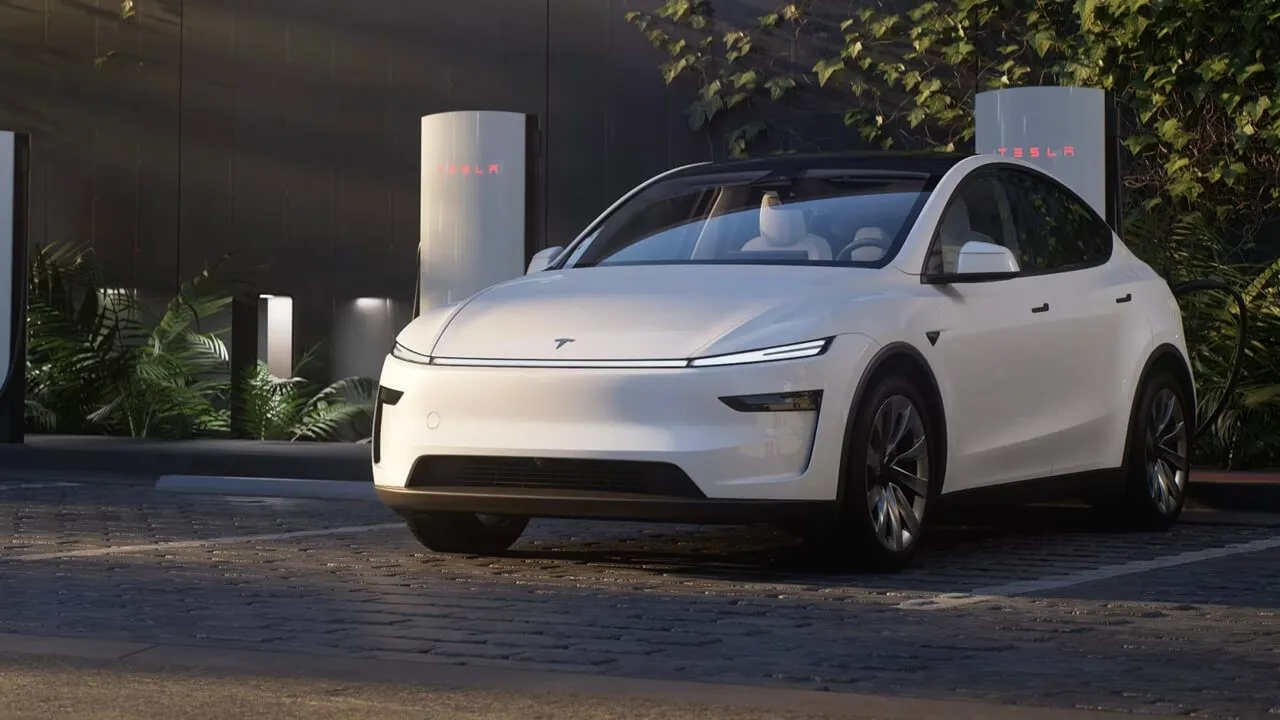
So, what could have happened to this Tesla Model Y? There are several possibilities. One of them is that its previous owner regularly charged it to 100% and then used a large portion of the battery during the extremely long daily trips. Keeping the battery at a high charge level for many hours and then regularly performing deep discharges can be more harmful than simply using a Supercharger occasionally.
There is another factor that is particularly important in this case: heat. The Model Y originally came from the Palm Springs area in California, a region where temperatures during summer can easily exceed 40 degrees. Years of intensive use in extreme temperatures may have had a much greater impact on battery degradation than the few fast charging sessions recorded.
In fact, the latest data from Voltest points in that direction. The company states that prolonged exposure to high temperatures and certain charging habits can be more significant in causing degradation than the frequency of using fast charging. It also reminds that battery degradation does not follow a straight line: it is usually more severe in the first few years before slowing down over time.
That’s why this Tesla Model Y helps dispel a overly simplistic notion: mileage and the number of fast charges alone don’t tell you anything about a battery’s condition. Two cars with 180,000 kilometers on them can have very different battery health levels depending on where they were driven, how they were charged, how long they stayed at 100% or at the lowest charge level, and the temperatures their batteries experienced.
This is especially important now that the first electric cars are beginning to flood the used market in large numbers with high mileage. A high mileage reading doesn’t automatically mean the car should be discarded, just as a low mileage reading doesn’t guarantee the battery is in perfect condition.
The experience accumulated so far is actually quite reassuring. There are increasingly more examples of electric cars that have covered hundreds of thousands of kilometers while retaining a very significant portion of their initial capacity. The data collected by Voltest itself shows cases of Teslas with over 190,000 kilometers still exhibiting reasonable battery health, while other vehicles with seemingly less intensive use may show worse results.
The conclusion, therefore, is not that fast charging is completely harmless. It can indeed subject the battery to more demanding conditions, especially when combined with extreme temperatures or very high or very low charge levels. But the available evidence suggests that labeling it as the number one enemy of batteries is too simplistic.
In the case of this Model Y, 180,000 kilometers in three years and a 77% health rating shown by Tesla’s test are impressive results. It’s also notable that it required so little fast charging to reach that mileage. Rather than proving that Superchargers damage batteries, this case seems to demonstrate something much more important: a battery’s lifespan depends on many more factors than just the charger it’s connected to.