
One million kilometers with its original engine: the incredible story of this Tesla Model S
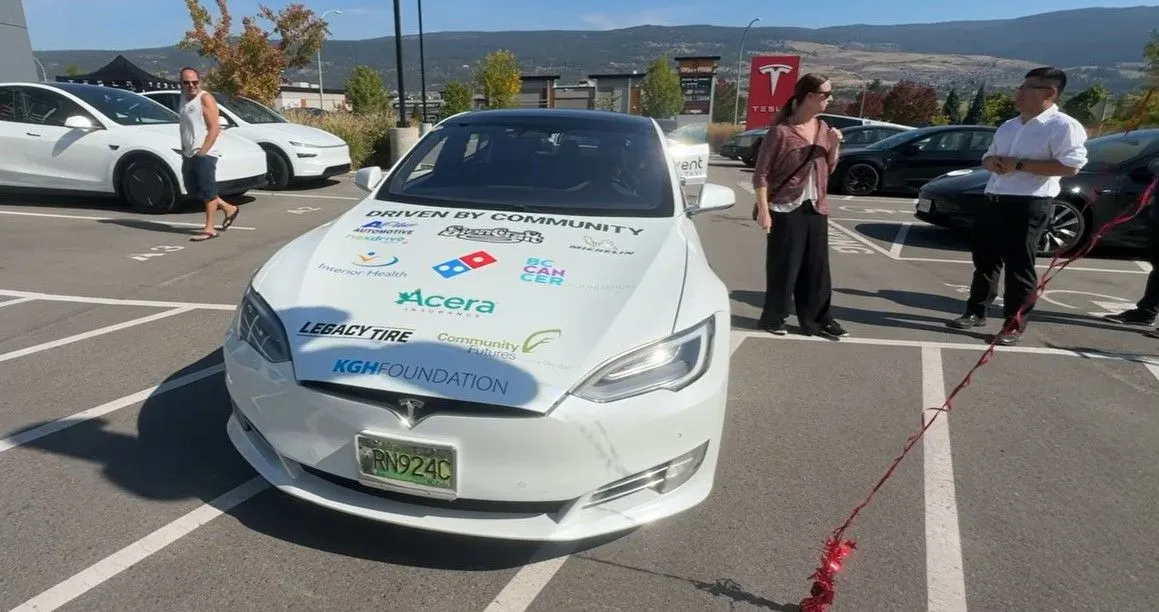
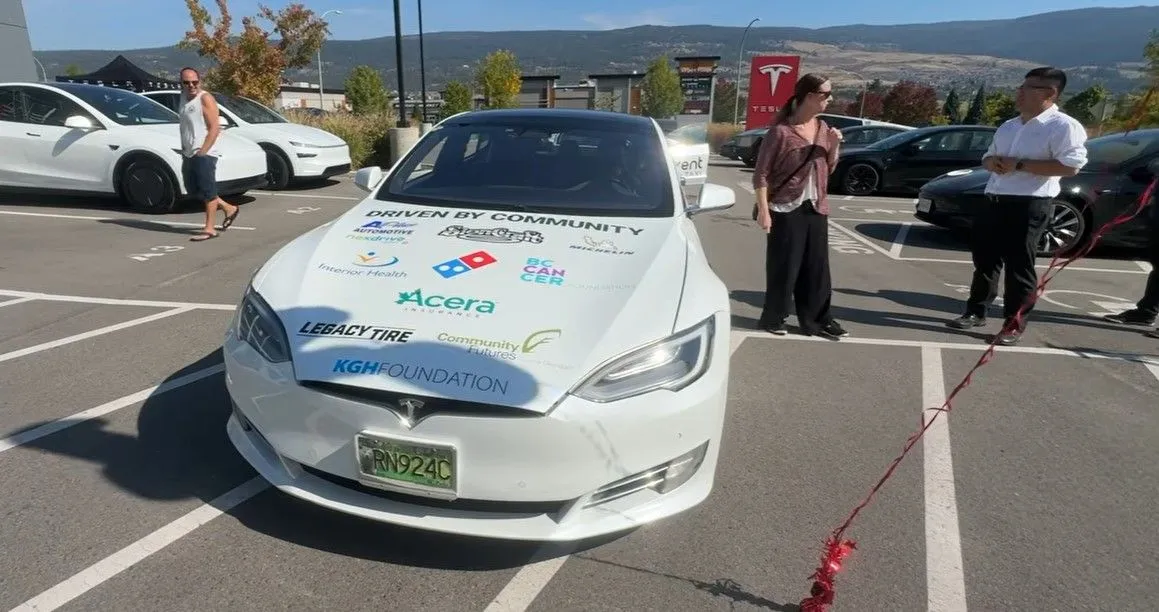
A Tesla Model S has just reached one million kilometers after nearly ten years working as a taxi in Canada. But the figure that truly stands out is slightly higher: the company operating this car has accumulated around 15 million kilometers with its Tesla fleet and has only had to replace four full batteries.
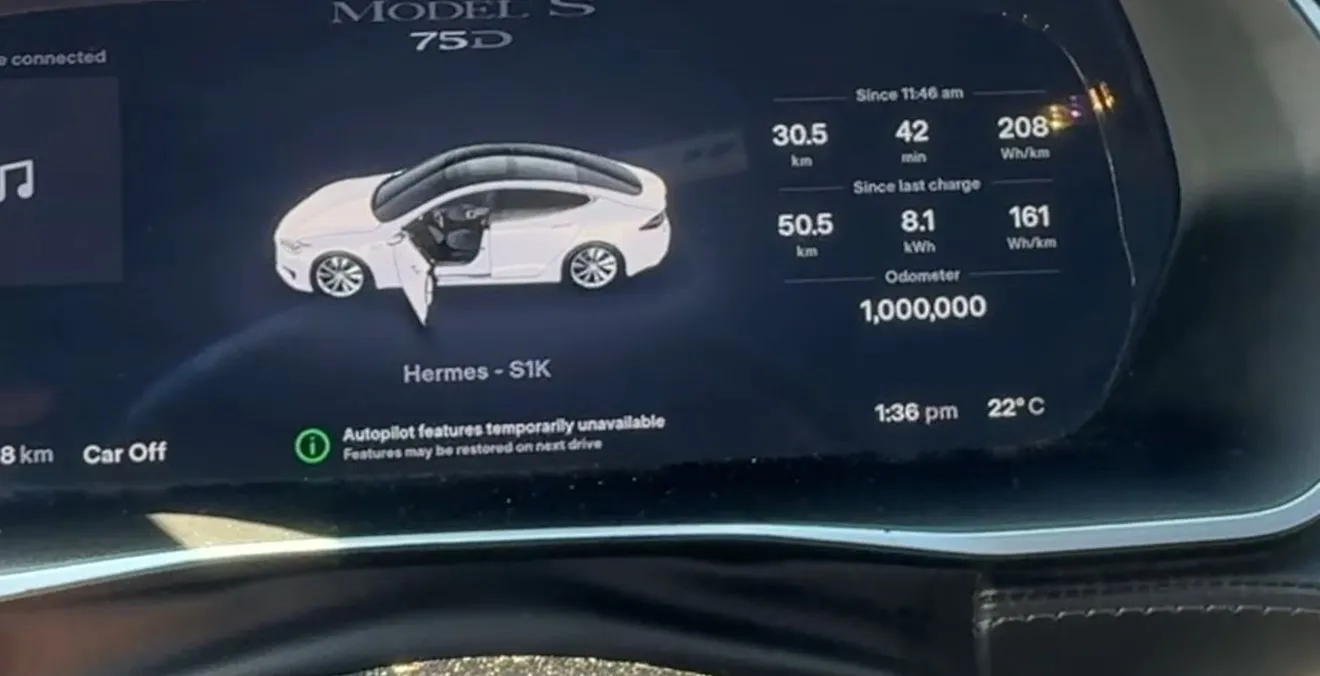
The star of this story is a Model S 75D, which was the first car Current Taxi put into service when it began operating in Kelowna, British Columbia. The car started working on February 9, 2017, and reached one million kilometers on September 19 of last year, during an event held at Tesla’s facilities in Kelowna.
We’re not talking about a car that’s used occasionally. The S1K has spent almost its entire life working as a taxi, covering 9,000 to 12,000 kilometers per month for approximately nine and a half years. This level of usage means that in less than a decade, it has accumulated a distance that would take an individual driver several decades to cover.
There’s one particularly striking fact: according to data provided by Current Taxi, the Tesla has reached one million kilometers with its original engines as well as its original suspension. The company decided to keep it in service precisely to see how far the car that launched its fleet could go.
But the one million kilometers figure is just part of the story.
15 million kilometers and four batteries
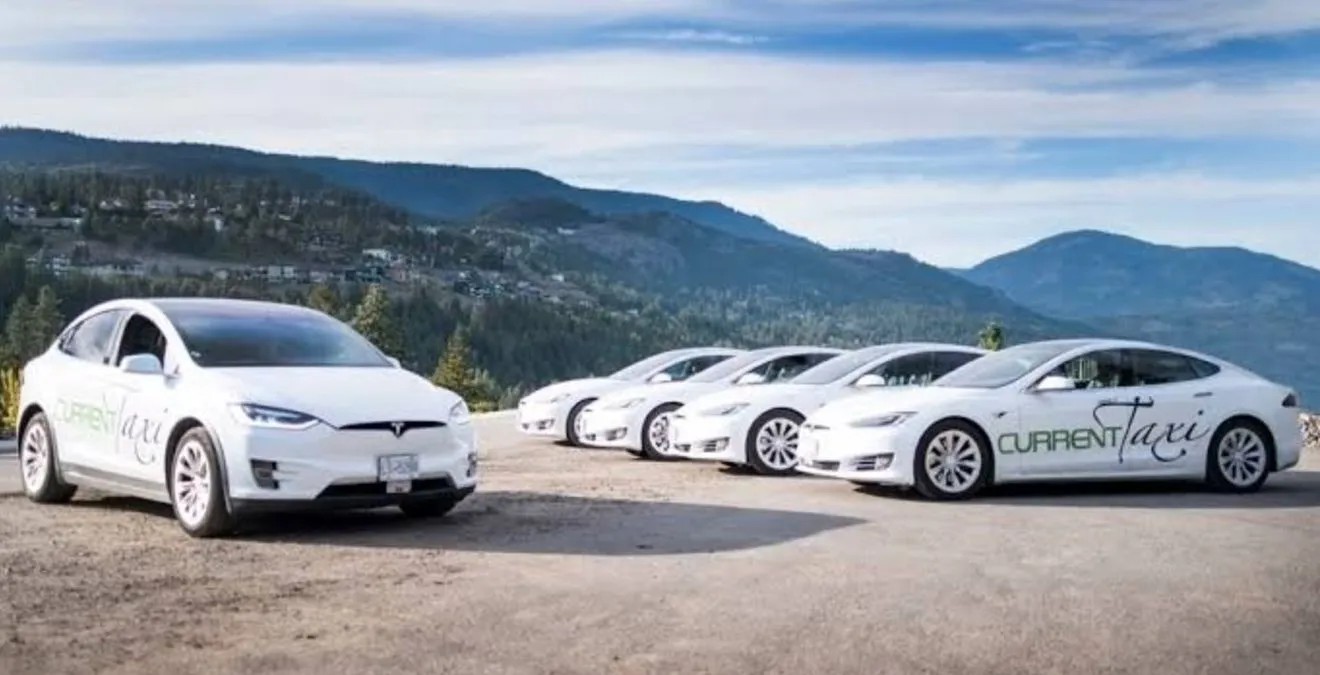
Current Taxi has used approximately 45 Teslas since it began operating. Together, their vehicles have accumulated around 15 million kilometers, with up to 13 cars ever authorized to work as taxis simultaneously.
Over that distance, the company claims to have performed only four full battery replacements. Based on the figures provided by the company, this means a battery is replaced approximately every 3.75 million kilometers traveled by the entire fleet.
The figure does require an important clarification. It doesn’t mean the battery in the Model S S1K necessarily traveled 1 million kilometers without being replaced. Current Taxi has not released the specific battery history for this vehicle, so it’s impossible to determine from the available data how much capacity it currently retains or whether it still has its original pack.
What we do know is that the car reached 1 million kilometers while keeping its original engines and suspension. And most importantly, it is part of a fleet that has for years subjected Teslas to one of the most intensive uses a vehicle can undergo.
In fact, Current Taxi claims that several of its vehicles have exceeded 750,000 kilometers. In this case, S1K received special treatment: the company decided to keep it in service to try to reach the round figure of one million.
The result is particularly interesting because taxis allow us to see how electric vehicles age at a much faster rate than private cars. A regular car that travels 15,000 or 20,000 kilometers per year would take a very long time to accumulate comparable data, while a professional fleet can cover hundreds of thousands of kilometers in just a few years.
There is also a precedent within the company itself. Another Tesla Model S used by Current Taxi had already exceeded 500,000 kilometers while retaining its original battery. That vehicle showed an approximate degradation of 12%, although it is a different car and its data cannot be directly applied to the S1K.
The absolute record for mileage on a Tesla is even higher. The Model S owned by German driver Hansjörg von Gemmingen-Hornberg has covered over 3 million kilometers, though it required several batteries and numerous powertrains to reach that figure. This is a different story: it shows that an electric car can remain operational for extraordinary mileage through replacements, while Current Taxi’s data allows us to observe how frequently such interventions occur across an entire fleet.
And that’s precisely the most interesting part for those considering buying a used Tesla.
The used car market has long surrounded battery performance with uncertainty. A Model S or Model 3 with hundreds of thousands of kilometers driven can raise doubts about the battery pack’s condition and the cost of potential replacement. However, data from taxi fleets provides real-world information on vehicles that experience much more intensive use than private cars.
That doesn’t mean a battery will necessarily last millions of kilometers. Usage conditions have a significant impact: temperature, charging speed, depth of discharge, how long the car stays at a high charge level, and other factors can greatly affect its degradation.
It’s also important to note that the data from Current Taxi comes from the company itself, not from an independent audit. Therefore, the four battery replacements should be viewed as a figure provided by the operator rather than a statistical study of the entire Tesla fleet.
In any case, 15 million kilometers accumulated and four batteries replaced are figures that are hard to ignore. Especially since a Model S from the same fleet has just reached one million kilometers while still using its original engines.
The S1K has now been permanently taken out of service. Current Taxi already has a vehicle to replace it, and its founder, Dale Conway, has no intention of selling the veteran Model S. His goal is to have it used in an engineering program at the University of British Columbia or the British Columbia Institute of Technology.
The idea makes quite sense. After nine and a half years as a taxi, the car could become a real research subject to analyze the wear and tear of its components, and especially to understand what happened to its battery after such a long distance traveled.