
Will one million electric cars swap batteries instead of charging them?
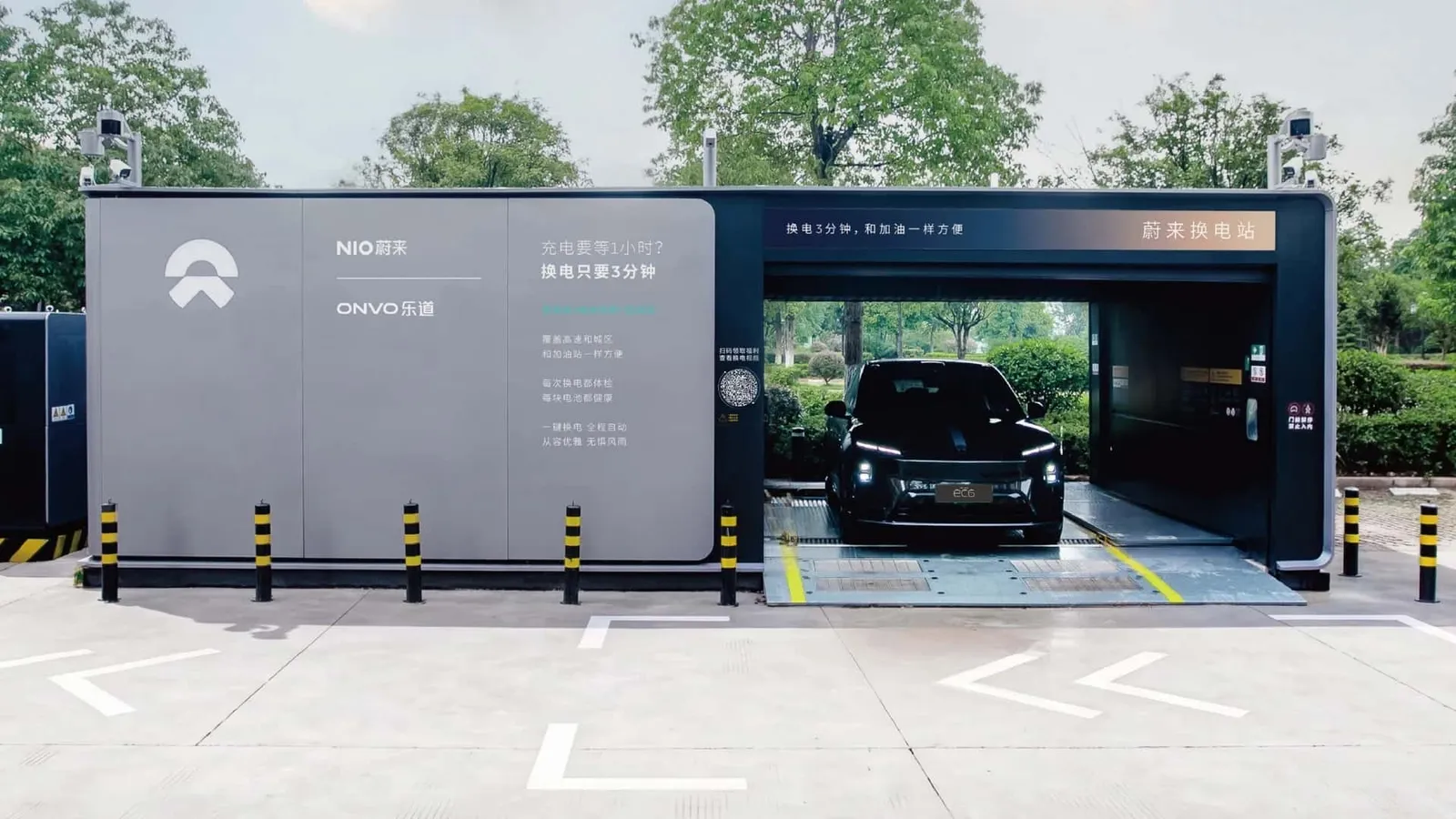
Being able to top up an electric car’s energy in less than two minutes without even connecting it to a charging station is every user’s dream—and it is also the promise of battery swapping. The technology that allows a depleted battery to be replaced “on the fly” with a fully charged one already exists, and it is an area where China continues to invest despite advancements in ultra-fast charging.
In fact, efforts in this area are intensifying even now. CATL, the world’s largest producer of batteries for electric cars, and the Chinese automaker BAIC have signed a new strategic agreement with an ambitious goal: to develop a battery swapping ecosystem capable of serving as many as one million vehicles.
Building a network is essential
The agreement, announced on October 22, builds upon and expands a collaboration that began in 2024. It includes joint development of vehicles and batteries, construction of new infrastructure and energy services, as well as, of course, a new range of vehicles and dedicated commercial models.
BAIC is committed to making an increasing number of models from various brands within the group compatible with CATL’s Choco-Swap network. It will also utilize its own dealership network to facilitate the installation of swapping stations, considering shared management models for them as well.
The goal is to create an increasingly accessible and interoperable network where cars from different manufacturers can use standardized batteries. However, the two companies have not set a deadline to reach the goal of one million vehicles, nor have they specified how many new models or facilities will be created.
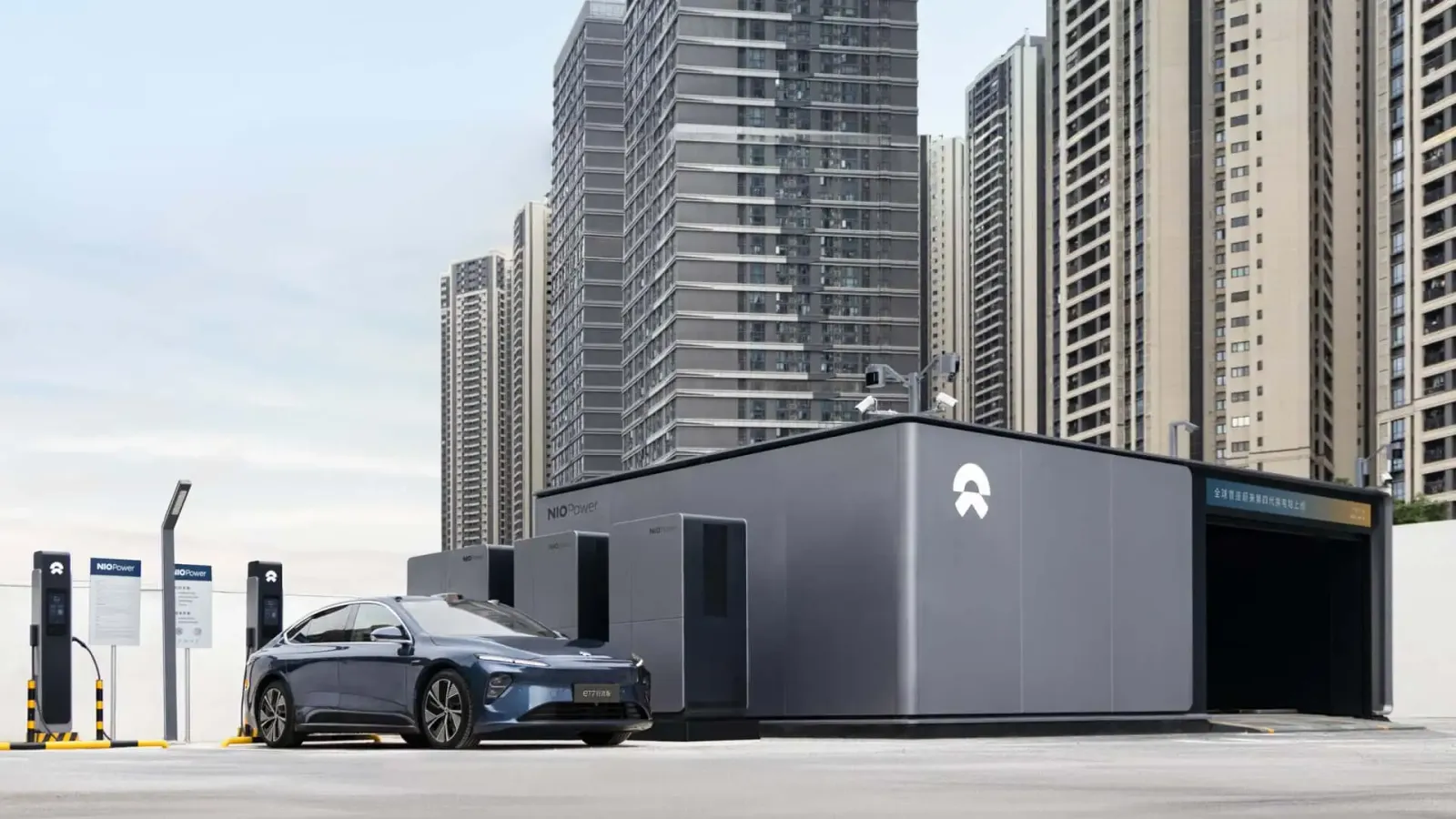
The NIO Power Swap 4.0 station
A “pit stop” in 99 seconds
The technology developed by CATL is called Choco-SEB, where SEB stands for Swapping Electric Blocks. The system uses standardized interchangeable batteries designed to be automatically removed from the vehicle and replaced with fully charged ones.
Among the models that adopt this solution is the Arcfox S3, an electric sedan from the BAIC group, also available in a Choco-Swap version. According to CATL, battery swapping takes just 99 seconds, a time that is difficult to match even by the most advanced fast charging systems.
Battery leasing
However, the benefits are not limited to speed alone. Battery swapping allows for a clear separation between vehicle ownership and battery ownership: customers can thus purchase the car without a battery and use it through a leasing agreement. In addition to reducing the initial cost, which is significantly affected by the battery, this approach may also help alleviate concerns about battery degradation, as management of the batteries remains the responsibility of the service provider.
China Aims for 30,000 Stations
Even before this new agreement, the Choco-Swap network had already reached considerable scale. According to data provided by CATL, as of September 29, 2026, 2,520 stations had been established in 200 Chinese cities, with the long-term goal of reaching 30,000 installations.
The expansion will also cover rural areas: CATL plans to build 1,000 highway stations between 2026 and 2027 to make battery replacement a feasible option even for longer trips.
This initiative also presents a significant economic and industrial challenge, as charging stations require substantial investment, need to maintain a supply of charged batteries, and can only become profitable with a sufficient number of users. Additionally, the adoption of interchangeable batteries forces manufacturers to design vehicles that are compatible with shared protocols and standards. For these reasons as well, the collaboration with BAIC is part of a broader strategy involving other manufacturers such as NIO and technology companies, including those affiliated with Huawei.
Battery Swap: Pros and Cons
Photo gallery: Battery Swapping CATL Evogo