
A Lynk & Co vehicle catches fire, and its manufacturer provides an unexpected explanation
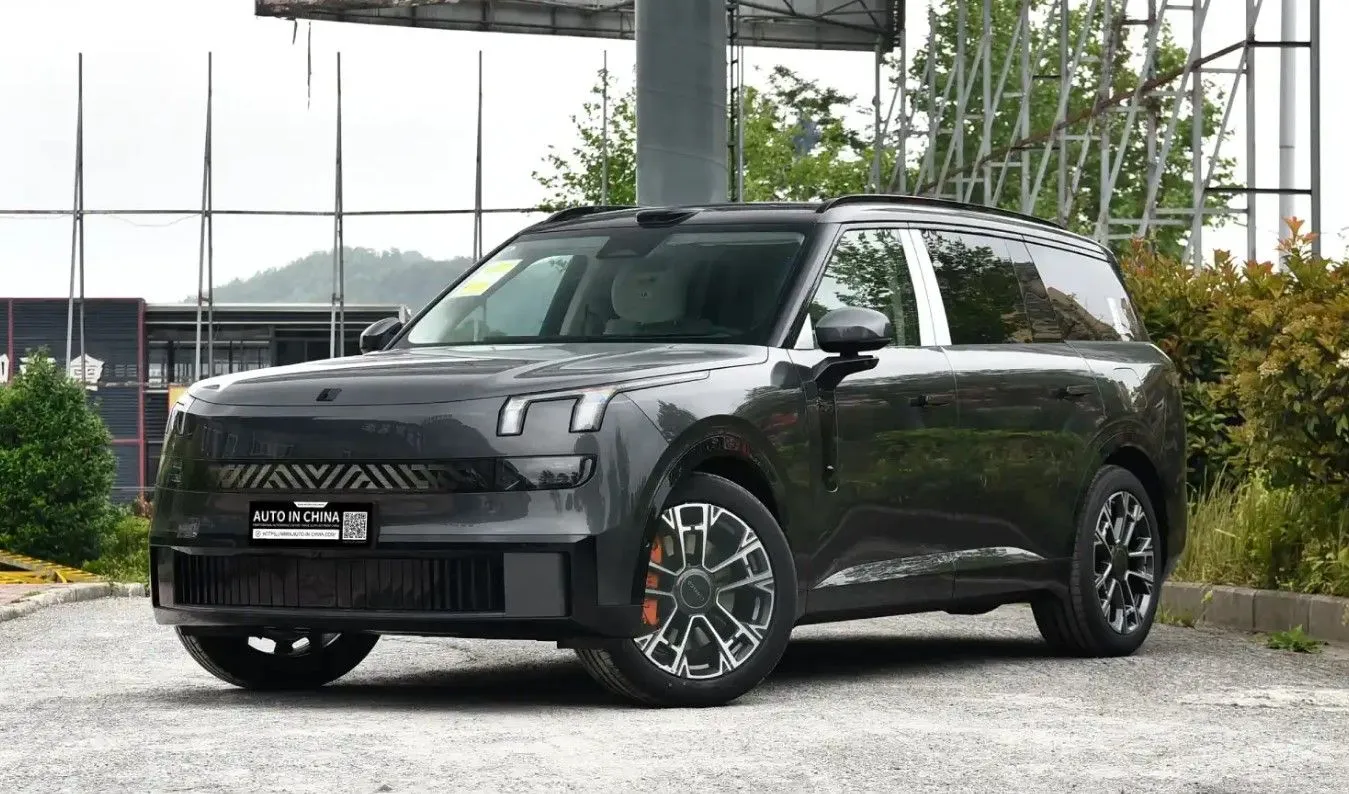
A Lynk & Co 900 caught fire while parked on a commercial street in Hangzhou, China, in an incident that has gone viral on social media. The video shows smoke and flames coming from the lower part of the car, with several people attempting to control the fire using a fire extinguisher, though the footage alone does not indicate whether the car’s battery was affected.
The incident occurred on September 9th at 16:06. The owner had left the Lynk & Co 900 parked next to some shops when the fire broke out. Shortly after, the local dealership issued a statement explaining what happened and denying that the fire originated from the car’s high-voltage battery.
According to the version provided by the dealership, a pedestrian allegedly dropped a portable charger, which was then accidentally pushed under the car. The device is said to have caught fire, causing the flames seen in the images. This explanation comes from the owner’s statement, not from an independent technical investigation.
And here is the important nuance. The dealership itself acknowledges that the ultimate cause still needs to be determined by the fire department. The incident site was cordoned off, and authorities were notified to conduct a proper investigation. Therefore, as of now, it cannot be confirmed whether the battery in the Lynk & Co 900 caused the fire or if the portable charger was ultimately responsible.
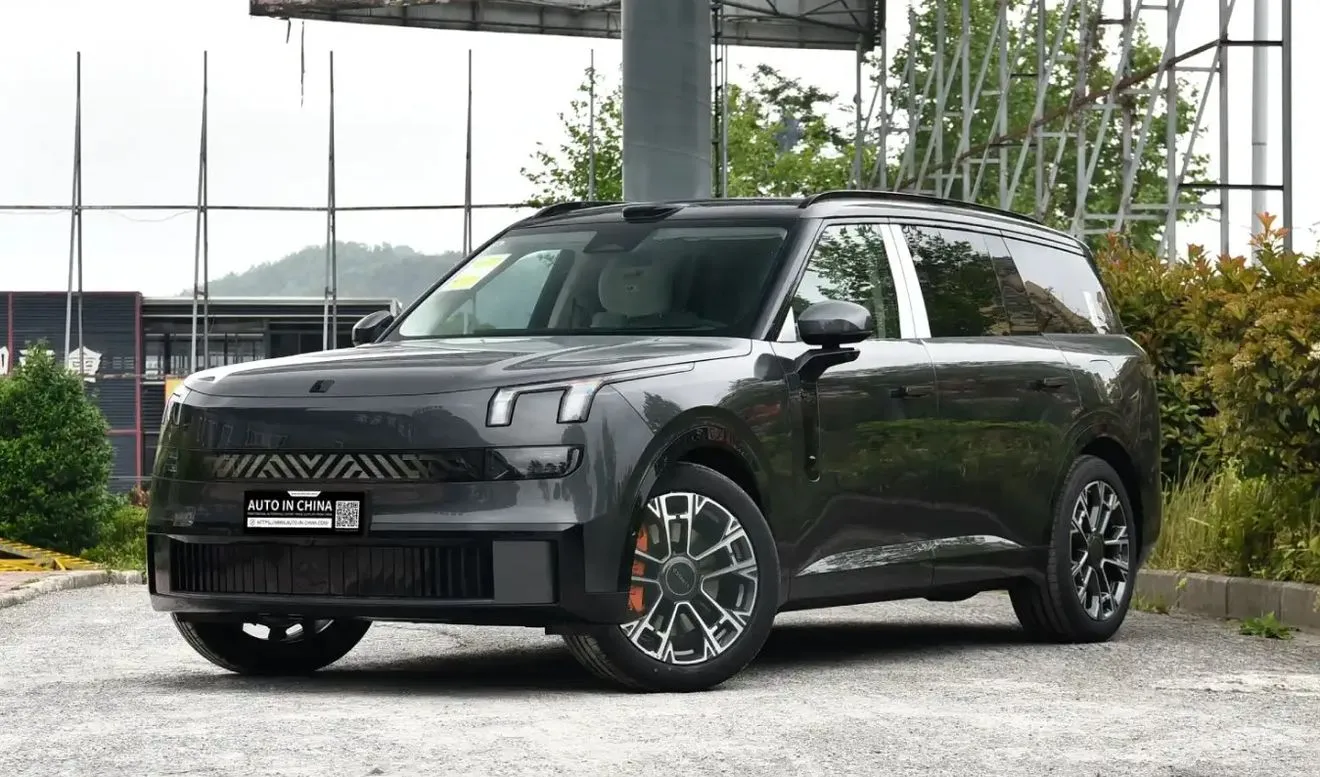
The difference is important because the images might easily lead one to think it’s another case of an electric or hybrid car catching fire, when all that’s confirmed is that the fire started under a Lynk & Co 900.
The context is particularly interesting because it comes just a few days after China’s own automotive industry began to acknowledge that the pace of development of its new cars might be causing problems. CATL had already issued a striking warning on this matter. Its president, Robin Zeng, noted that over 600 new models were introduced in China during the first months of 2026, a rate of nearly three new cars per day, and warned that shortened development and validation cycles were leading to reliability issues with certain battery products.
CATL’s warning does not mean that Chinese cars are unreliable or that there is a widespread issue with their batteries. In fact, it would be an overly simplistic conclusion. What this world’s top battery manufacturer is highlighting is another matter: the pressure to launch new products faster and faster may reduce the time available to identify certain problems before cars reach customers.
Lynk & Co 900
Renault has raised essentially the same concern from a different perspective. The French brand believes that a new car requires about two years of development to ensure adequate quality standards, while Chinese manufacturers are managing to drastically reduce these timelines. Renault itself has accelerated its processes and employed methods inspired by China to develop models like the Renault Twingo in just 21 months.
The paradox is clear. Europe is trying to learn from China to develop cars faster, while some of China’s own manufacturers and suppliers are beginning to warn that things might be speeding up too much.
The Lynk & Co 900 case comes at the heart of that debate. Not because this fire proves there is a quality issue with the model or because there is evidence of a battery failure—there isn’t—but because it shows how quickly any incident involving a modern car can turn into a problem that is difficult to interpret.
In addition, the batteries in today’s cars are subject to extremely high demands. In the case of the Lynk & Co 900, the battery pack is protected by a specific structure, and the design of the car’s undercarriage includes elements designed to protect it from impacts, water, and other external factors. An external fire could affect materials surrounding the battery pack without necessarily causing thermal spread within the battery itself.
China has also just tightened its requirements in this area. The new mandatory standard GB 38031-2025, which replaced the previous GB 38031-2020, came into effect on July 1, 2026, and sets new safety requirements for electric vehicle batteries, including tests related to impact, thermal stability, and heat propagation.
However, a certification standard alone cannot determine what caused a specific fire. To do that, it is necessary to analyze the vehicle, the debris found under the car, and the possible source of ignition. In this case, it will be the firefighters’ investigation that must clarify whether the cause was the portable charger, a component under the vehicle, the battery itself, or some entirely different factor.
For now, it’s best to stick to the facts. A Lynk & Co 900 caught fire in Hangzhou; the dealership claims it was caused by a portable charger that ended up under the car and denies that the drive battery ignited, but this explanation isn’t yet an official conclusion.
And perhaps that is precisely the most interesting part of this story. In an industry capable of introducing hundreds of new cars in just a few months, the speed of development has become a huge competitive advantage, but it also creates pressure that forces us to wonder how much time remains to test everything that cannot be demonstrated in a presentation or technical specifications sheet.