
A prominent German economist warns of the possible bankruptcy of one of the automotive giants in the coming years.
The German automotive industry is facing one of the most challenging periods in recent decades. Competition from Chinese manufacturers, the shift toward electric vehicles, and the loss of technological leadership are testing some of Europe’s most important companies. This situation has led a renowned German economist to issue a particularly stark warning about the industry’s future.
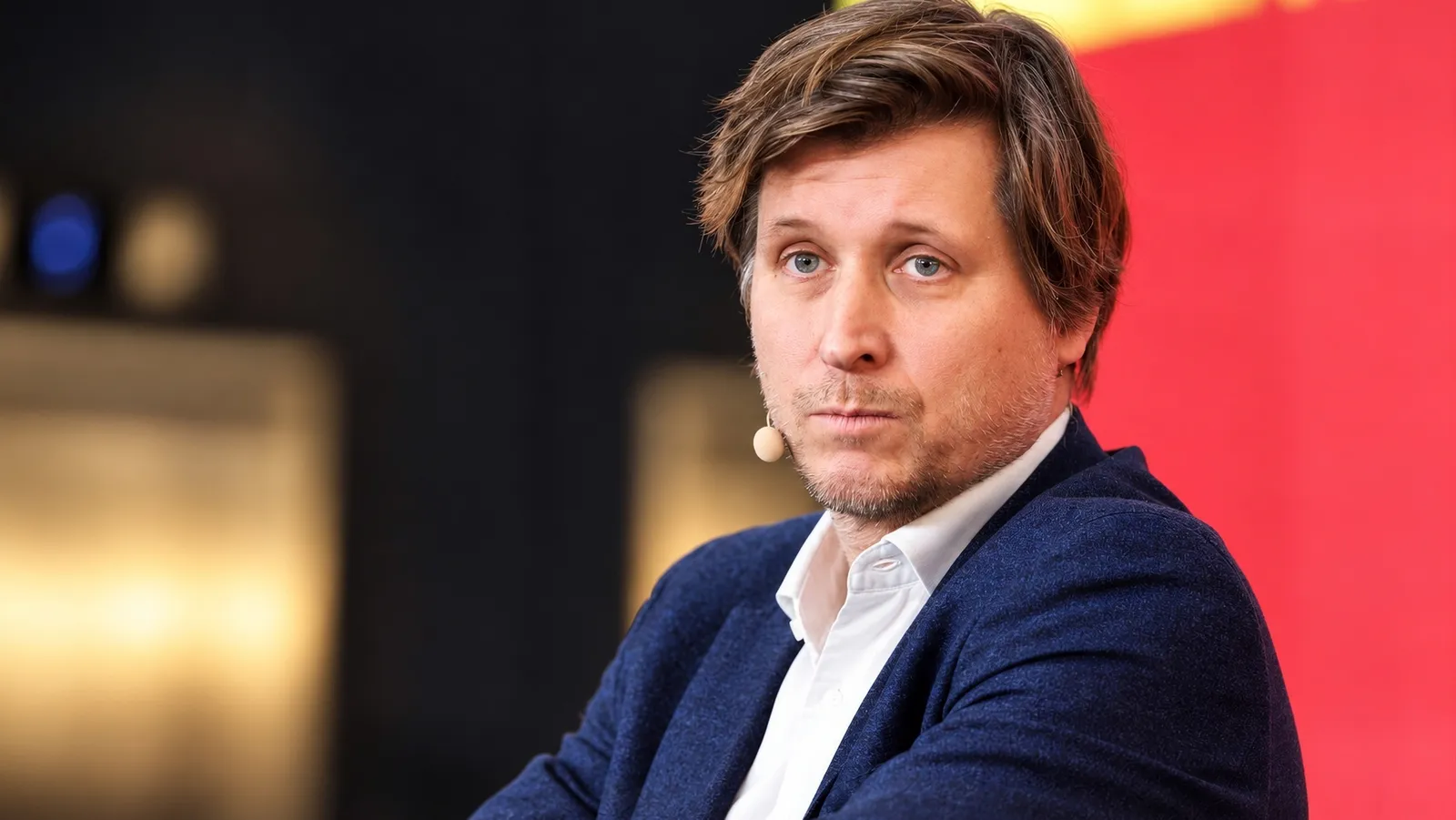
Moritz Schularick, president of the Kiel Institute for World Economics (IfW Kiel), believes the crisis could have far more severe consequences than many imagine. In a recent appearance on Germany’s Maischberger program, the economist said it is “highly likely that in the coming years we will be talking about the insolvency of a major automobile manufacturer.” This statement opens the door to a scenario that was difficult to envision just a short time ago.

This is not the first time Schularick has questioned the future of Germany’s automotive giants. In 2024, he already expressed doubts about Volkswagen, BMW, and Mercedes-Benz’s ability to sustain their current structure through the end of this decade. Later, he also warned that one of these manufacturers might fall into Chinese investors’ hands. Now, without naming a specific company in this statement, he goes a step further by considering the possibility of outright insolvency.
Schularick’s Warning About Germany’s Major Automakers
The economist believes the main problem for Germany’s industry lies not only in increasing competition from China but also in the loss of technological advantages that for decades allowed its manufacturers to justify high prices. Germany will remain a country with high production costs, but its companies no longer lead in all the technologies that will shape the future of automobiles.
We are best at the technologies of the last century, but not those of this century," said Schularick. With these words, he referred to Germany’s industry’s position in areas such as software development, autonomous driving, and batteries, where Chinese and American manufacturers have gained increasing prominence.
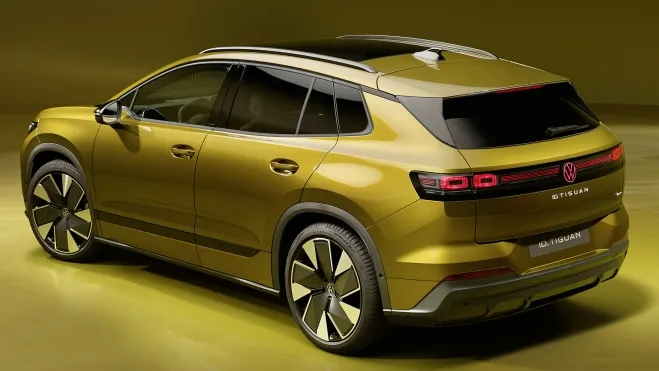
In his view, German automakers took too long to commit fully to electric mobility. For decades, their competitiveness relied on the development of combustion engines, mechanical platforms, and high-quality vehicles, but technological changes are altering what adds the most value to a car.
His warnings align with the findings of a recent study by Allianz Trade, published on October 9. According to this credit insurance company, the added value per vehicle sold in Europe by German manufacturers declined by 30% to 45% during the first half of 2026 compared to the levels in 2021 and 2022.
The research also reflects a significant loss of commercial competitiveness. Since 2021, German manufacturers have lost around ten percentage points in market share in Europe and seven in China. Allianz Trade estimates that if they lost another three percentage points in each of these markets by 2030, it could cost them about 3 billion euros in added value.
Batteries and software are changing the rules of the automotive industry
This development has placed European manufacturers under significant technological dependence. The study estimates that batteries alone account for 30% to 35% of the value of an electric car. Additionally, it warns that imposing requirements for exclusively European manufacturing could increase the cost of these vehicles by around 2,000 euros.
The problems are not limited to technology. Allianz Trade notes that investments by European automobile manufacturers are declining by around 20% by 2026, while large European companies in other sectors are increasing their investments by approximately 10%. This difference reflects the industry’s difficulties in addressing both technological transformation and pressure on its financial performance simultaneously.
In this context, Schularick also does not rule out the possibility that foreign investors entering the market could be part of the solution. The economist believes that a strategic investor acquiring a major manufacturer could have positive economic effects if it helps preserve industrial activity and jobs in Germany.
"Jobs stay here, the added value stays here," he argued, insisting that what’s truly important is preserving production and economic activity, regardless of who controls a company’s capital.
A transformation that could change the future of Germany’s industry
Despite the severity of the warnings, Schularick does not believe the situation is irreversible. Germany retains significant industrial capacity and technical expertise that could help it adapt to new technologies. However, the economist insists the country must acknowledge its weaknesses to regain some of the ground lost.
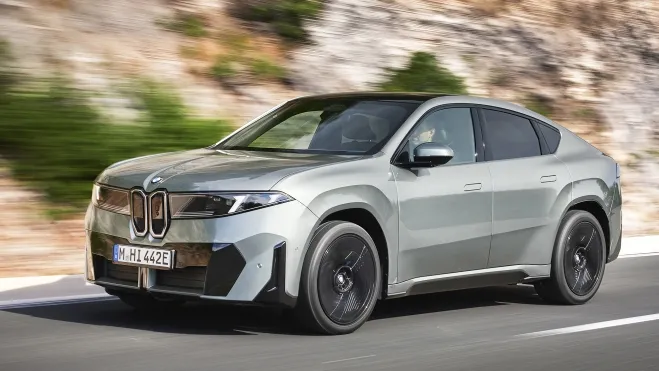
Allianz Trade’s study also identifies opportunities in areas such as solid-state batteries, semiconductor development, artificial intelligence, and autonomous freight transportation. To capitalize on these, it suggests strengthening technological partnerships and focusing investments on sectors capable of generating value in the coming decades.
Schularick himself summarized this need for transformation with another particularly critical phrase: “Our problem isn’t the machines; our problem is intelligence.” This reflection underscores that having a powerful industrial infrastructure no longer guarantees maintaining technological leadership.
Its latest warning does not mean there is an imminent confirmed bankruptcy among major European manufacturers. It is an economic forecast reflecting the scale of the challenges facing the sector. However, the fact that the head of one of Germany’s leading economic research institutes openly considers insolvency for a top-tier manufacturer shows how much the debate about the future of this industry has changed.