
An expert responds: these are the 5 biggest questions about electric cars

Purchasing an electric car still raises many doubts among some consumers. Interestingly, some of the most common questions asked at dealerships are actually much less important than buyers initially assume. Range, charging time, battery life, and price remain among the top concerns, even though technology has advanced significantly over the past few years.
A U.S. car dealer’s experience, reported by MotorTrend, is particularly interesting for this reason. After years of dealing with buyers, he has identified several questions that keep coming up whenever someone considers switching away from internal combustion engines. And some of the answers can be surprising.
In the United States, change is progressing especially slowly compared to other markets. Cars with internal combustion engines still carry significant weight, while hybrids and electric vehicles remain an option that many buyers consider with caution. In most cases, the issue isn’t so much the technology as it is the fear of changing habits that have been firmly established for decades.
Range, charging, and battery life

The first question is usually also the most obvious: how far can I go before I need to recharge? The answer depends heavily on the car and its usage, but the current reality is quite different from what it was a decade ago.
According to official data from the Dirección General de Tráfico (DGT) based on ITV inspections, a car in Spain averages about 11,204 kilometers per year, which translates to an average of 30 kilometers per day. Therefore, with cars that can actually travel 300 or 400 kilometers, it seems these already cover most of the needs.
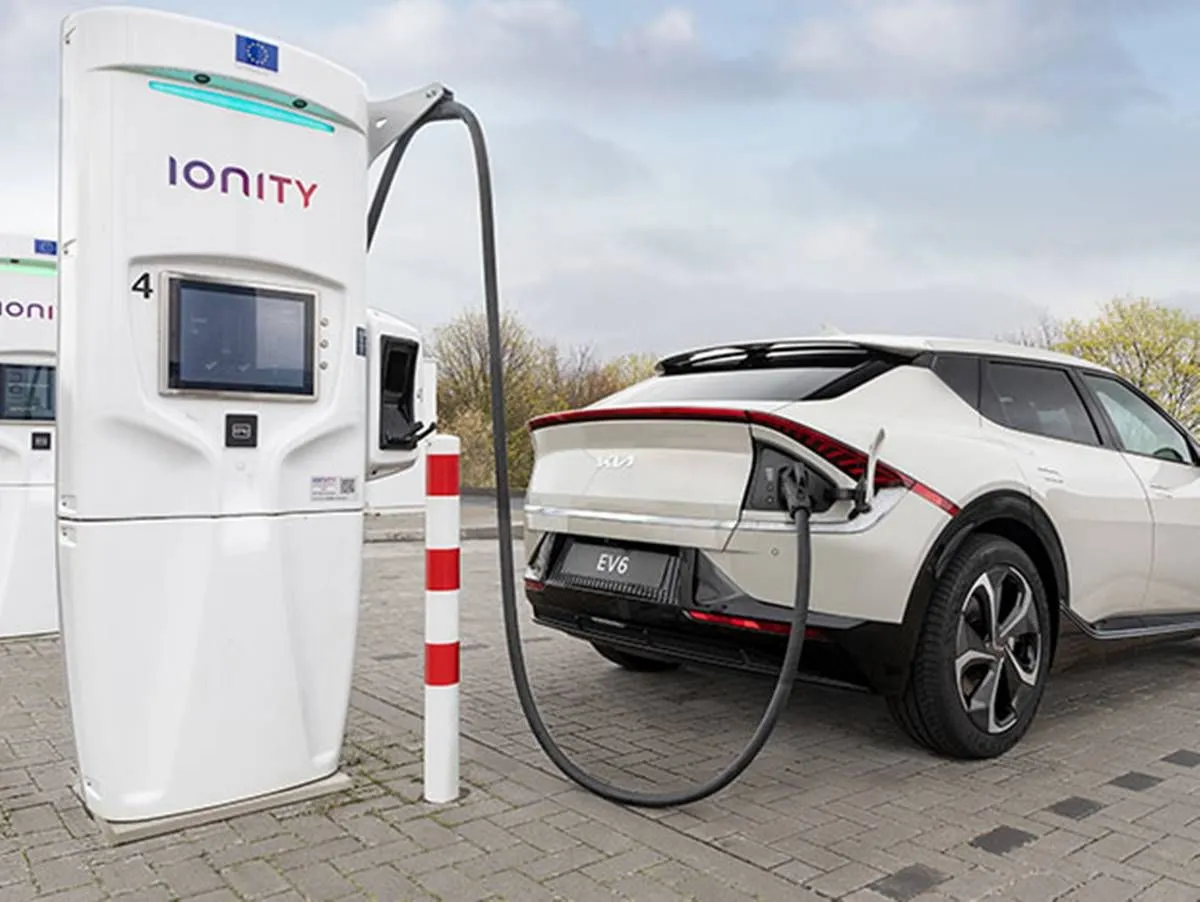
With a charger installed at home, the car can stay connected overnight and start the next day with enough energy to cover regular trips. Long journeys are obviously different, but even there charging times have been significantly reduced. Some models can go from 10% to 80% in about 20 minutes using a fast charger, though there are huge differences between models and conditions.
This last point is important because range should not be analyzed in isolation. Speed of charging, the availability of chargers along typical routes, and the car’s ability to plan stops also need to be considered. A model that can travel 450 kilometers but takes a long time to recharge may be less convenient for a long journey than one with slightly lower range but much faster charging.
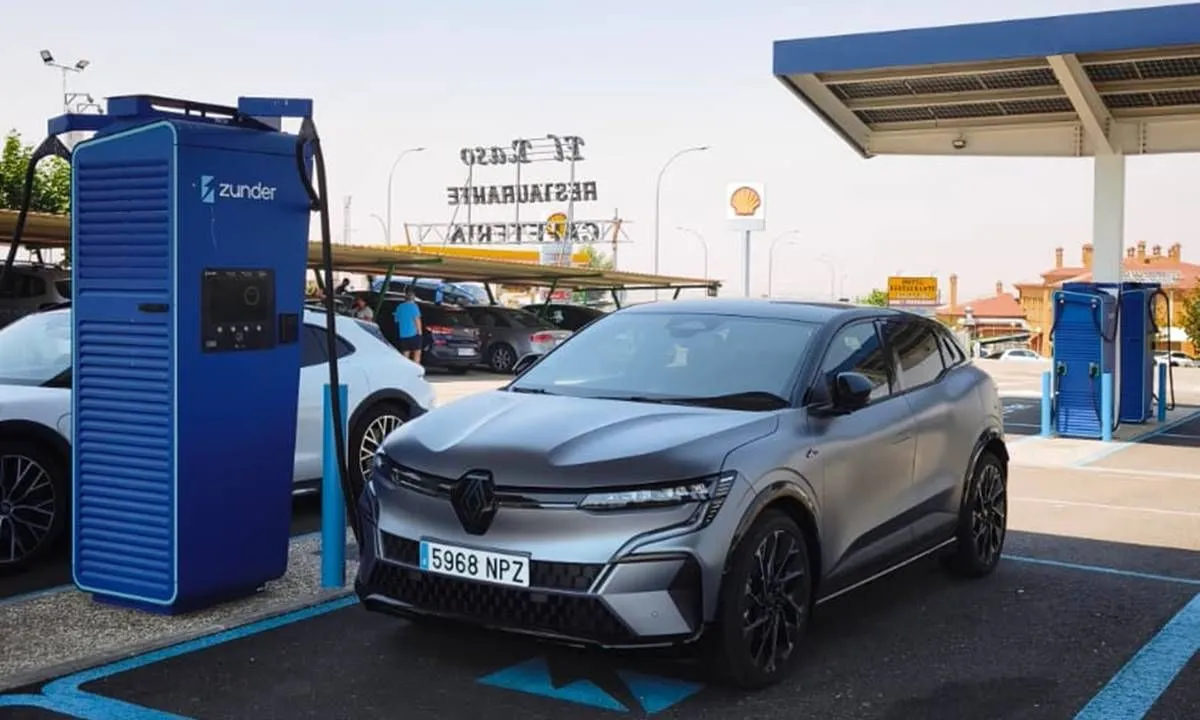
Another situation that repeats itself at dealerships is when a buyer insists on needing a gasoline car because they want to drive across the country during their vacation someday. It’s an extreme case, but it helps illustrate an important point: not all occasional trips should determine the purchase of a car that will be used throughout the year.
The key is to analyze how the car is actually used. If relatively short trips are made for 350 days a year, with only a few long journeys of thousands of kilometers taken occasionally, it might make more sense to consider those trips within the overall planning rather than using them as a decisive argument against electric cars.
The second major question is where to charge it. A few years ago, this was a much more valid concern, especially outside major cities. But the infrastructure has grown significantly and continues to expand.
According to the latest data collected by AEDIVE, Spain now has 52,746 operational public charging points. This figure, from a photo taken on September 1, 2026, represents a 5.49% increase compared to the 50,000 points recorded at the end of 2025.
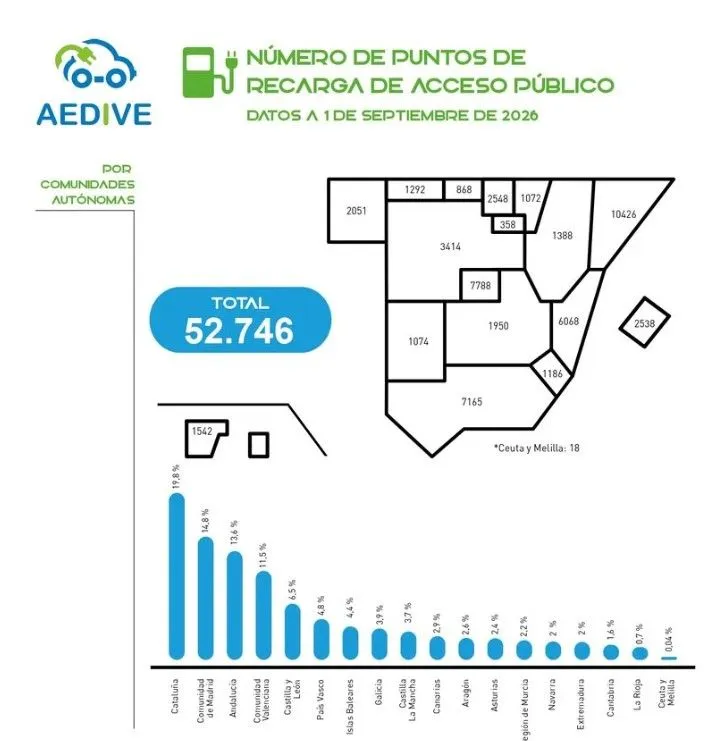
This doesn’t mean the network is perfect. There are still broken chargers, occupied stations, and areas with coverage below what’s desired. That’s precisely why trip planning remains important, especially when traveling with limited charging capacity.
The vehicle itself can help with this task. Current systems allow you to enter a destination and automatically calculate where to stop for charging. There are also specialized apps that show stations, available power, prices, and reviews from other users. The experience is very different from a few years ago and is generally much simpler.
The third major question relates to the battery. How long does it last? What happens when its capacity declines? Does it need to be replaced after a few years?
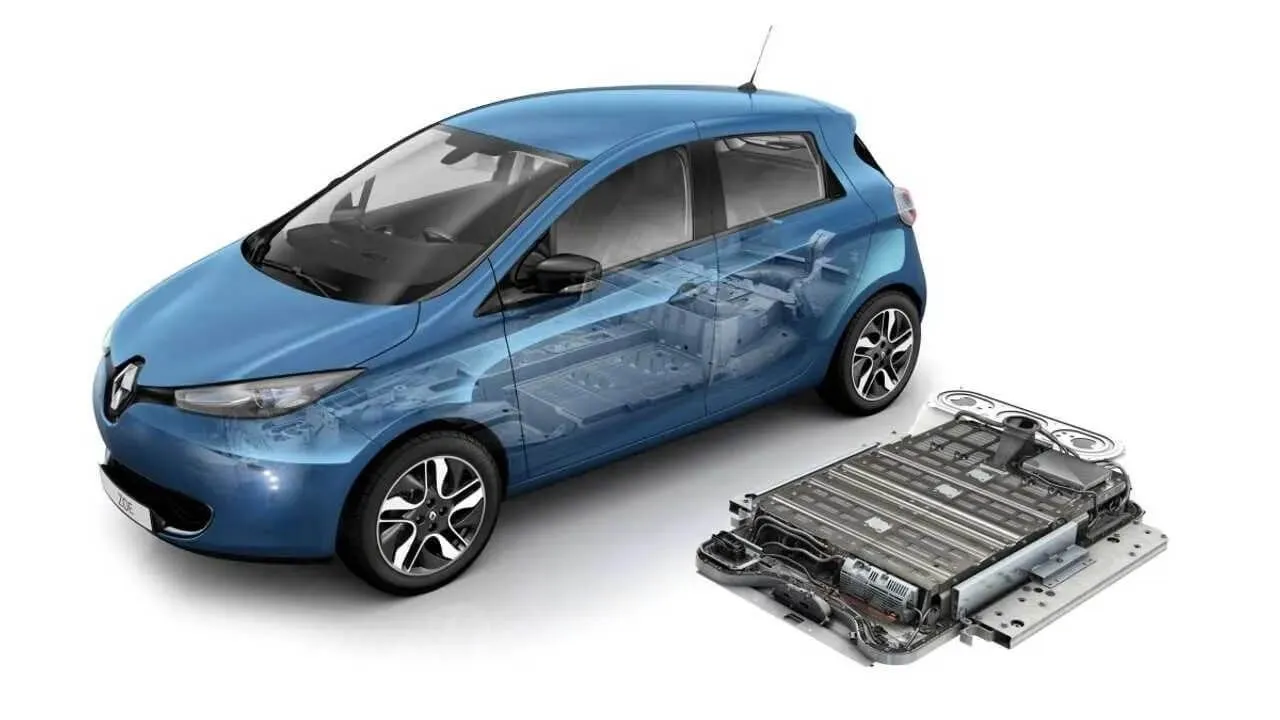
There has also been a lot of confusion on this topic. Batteries lose capacity over time, just like any rechargeable battery, but that doesn’t mean they stop working suddenly after a few years.
A Geotab analysis of over 22,700 electric cars showed an average degradation rate of around 2.3% per year in its most recent study. The result varies significantly among different models and usage patterns, but it helps put into perspective one of the main concerns for buyers. According to their estimates, an average battery retains about 81.6% of its original capacity after eight years. However, the figures can vary greatly depending on the model, how well it has been maintained, and even whether it was parked outdoors or in a garage.
In addition, manufacturers typically offer specific battery warranties, usually lasting for eight years with a certain mileage limit. The terms vary by brand and model, so it’s advisable to check them before purchasing.
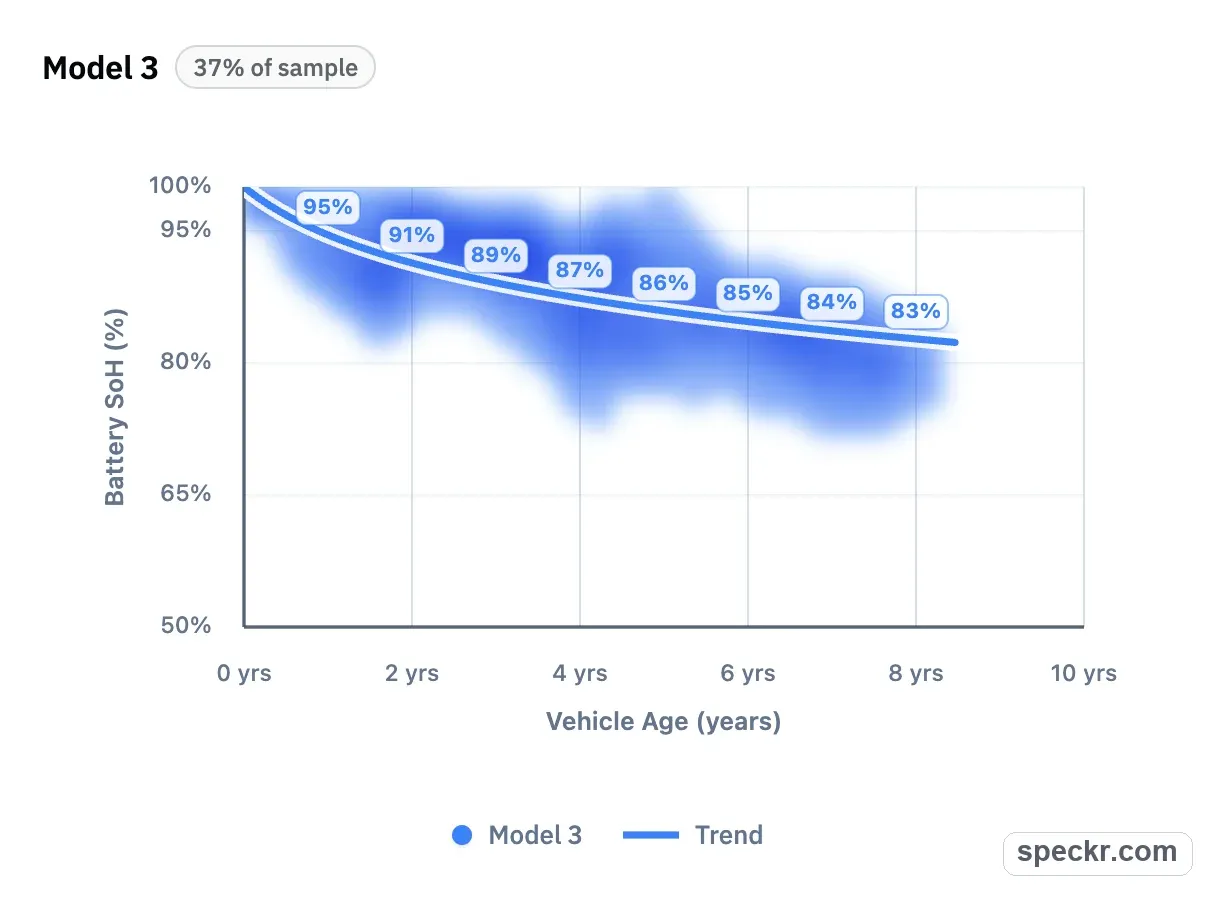
The reality is that a battery shouldn’t be viewed as a component that simply works or stops working. What’s important is understanding its health status, the capacity it retains, and how it has been used. Frequent fast charging, extreme temperatures, and other factors can affect its degradation, although thermal management systems have improved significantly compared to earlier generations.
Ownership cost is another common question. Are electric cars really more expensive?
The answer isn’t as simple as merely comparing the purchase price. The original article states that the average price of a car in the United States is around $50,000, or about 44,000 euros, although there are electric cars priced below $40,000, roughly 35,000 euros, depending on the model and available promotions.
The examples cited include the Chevrolet Bolt, Nissan Leaf, KIA EV3, Toyota bZ, Subaru Uncharted, Chevrolet Equinox EV, Hyundai Ioniq 5, Tesla Model 3, and Ford Mustang Mach-E. The lineup changes rapidly and prices can vary depending on the version, market, and equipment, so those figures should not be considered as current prices for all of them.
The only significant difference lies in maintenance. An electric car does not require oil changes or spark plugs, nor does it use components such as timing belts. The propulsion system has fewer mechanical parts that wear out, but that doesn’t mean maintenance is unnecessary.
Tires, brakes, suspension, climate control, and other components still require attention. Additionally, the greater weight of some electric cars makes it especially important to monitor the condition and pressure of the tires.
In return, driving is usually quieter and smoother, while the immediate response of the electric motor allows for accelerations that would be difficult to match with a comparable combustion engine. On the other side of the balance is insurance, which can be more expensive in some markets and models.
Therefore, comparing only the purchase price can lead to an incomplete conclusion. The total cost of ownership is the truly relevant figure, as it combines acquisition costs, energy usage, maintenance, insurance, taxes, and depreciation.
There is also a social aspect that cannot be ignored. In the United States, buying an electric car has in some cases become more about identity and personal preferences than about the vehicle’s features. Some buyers reject them for cultural or political reasons, while others choose them specifically for environmental reasons.
This phenomenon does not occur with the same intensity in all markets. Europe and China have achieved a much higher penetration of electric cars than the United States, although there are also significant differences in prices, regulations, infrastructure, available options, and mobility habits.
Economic incentives have also played a significant role. In the United States, the federal credit of up to $7,500, or about 6,600 euros, will no longer be available for vehicles purchased after September 30, 2025, according to updates from the U.S. Internal Revenue Service. This significantly alters price comparisons compared to previous years.
In Europe, the approach varies by country. Some places have implemented tax deductions, which is the most effective method, while other markets have opted for direct subsidies, requiring customers to pay 100% of the cost upfront and then wait for the transfer. Still other markets have not introduced any subsidy programs.
In any case, reducing the entire evolution of electric car sales to a single political decision would be an over-simplification of an issue that also involves prices, model availability, interest rates, infrastructure, and the cost of using a vehicle.
And here comes another factor that can quickly change buyers’ decisions: the price of gasoline.
When filling up the tank becomes significantly more expensive, things change. A MotorTrend article highlights a couple who considered an electric car for the first time due to high gasoline costs in California. It’s a simple example, but it illustrates something that usually weighs much more heavily on a purchase than any technological debate: how much it costs to use the car each month.
In Europe, we are in the same situation or even worse. Fuel prices have skyrocketed, and in most major markets, 2 euros per liter has become the new reality. Only those areas where governments have implemented direct fuel subsidies are spared—though this temporary measure is costing countries enormous amounts of money.
An electric car allows much of that expense to shift from gasoline to electricity. If it can be charged at home and a favorable rate is available, the cost per kilometer can be much lower than that of a gasoline car, although the final outcome depends on the vehicle’s consumption and energy prices.
Therefore, perhaps the most interesting question is not whether electric cars are perfect. They’re not. Neither are gasoline or diesel cars. The real question is whether they suit the way each driver uses their automobile.
For those who drive many kilometers daily, can charge at home or at work, and mainly use urban and intercity routes, the advantages can be obvious. For those living in an area with limited charging infrastructure, lacking a place to charge, or who frequently travel long distances through areas without coverage, the decision may be more complicated.
Technology has advanced a lot, but the best way to evaluate an electric car remains quite simple: set aside extreme cases and analyze real-world usage. The range we need, where we can charge, how many kilometers we drive per year, and how much it costs per kilometer are likely far more useful questions than any of the topics still surrounding electric cars.
