
A financial expert identifies the unexpected "BYD effect": Chinese electric cars help to slow inflation and save money.
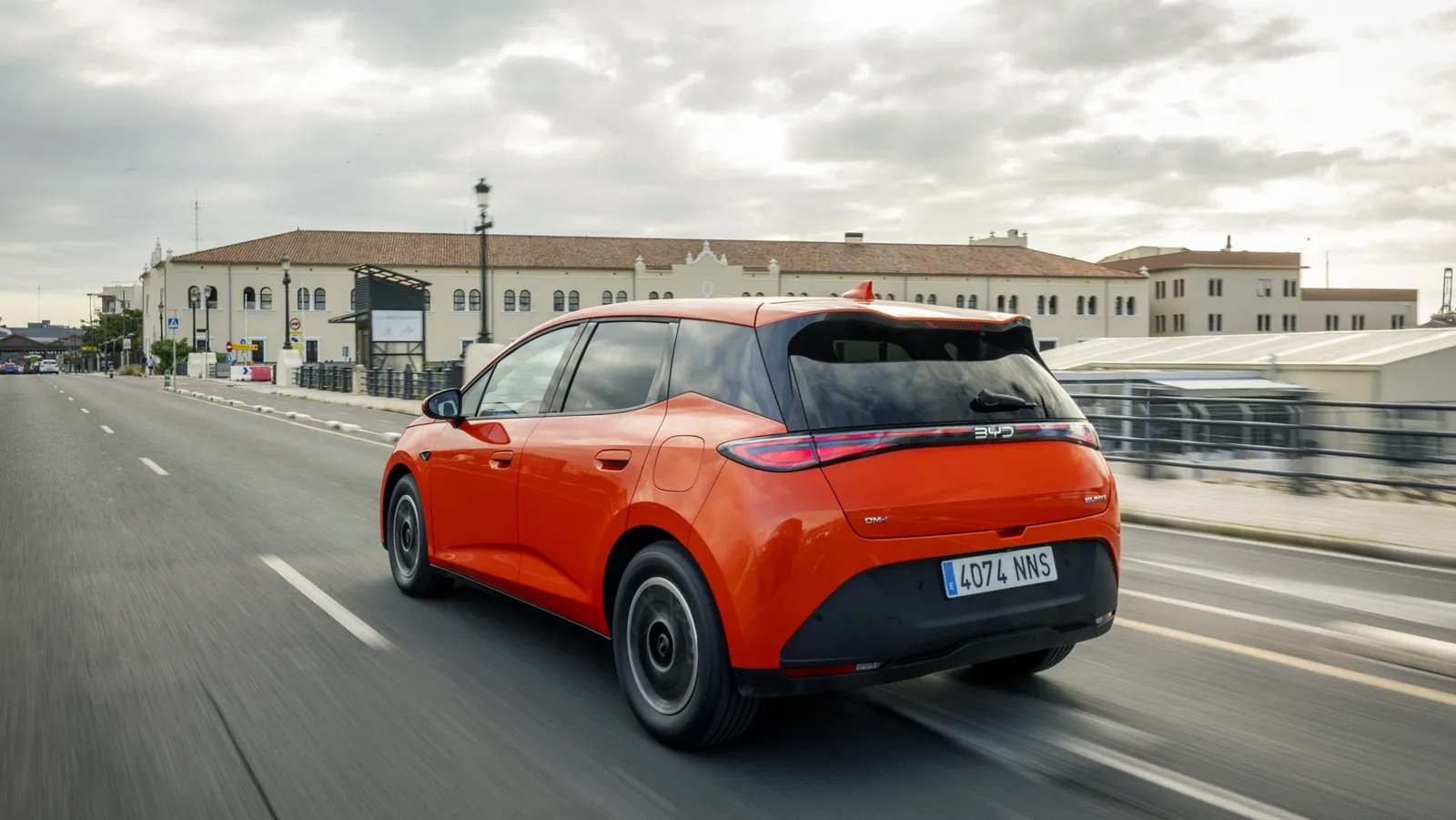
The growth of Chinese electric cars is beginning to have consequences that extend far beyond the automotive industry. The arrival of increasingly affordable models is not only changing drivers' purchasing decisions but may also help curb certain inflationary pressures. This is what a financial expert has termed the "BYD effect," a phenomenon gaining significance in Australia.
Chris Dickman, senior investment manager at Australian Ethical, believes the growth of affordable electric vehicles is helping to reduce Australian consumers’ exposure to rising oil prices. According to the British newspaper The Guardian, the expert points out an unexpected economic consequence of manufacturers like BYD expanding their operations: a deflationary pressure that could intensify as more drivers switch away from gasoline and diesel vehicles.
"More and more consumers are trying to distance themselves from the impact of the oil crisis," explained Dickman. The expert argues that the shift to electric vehicles is driven not only by environmental concerns but also by economic reasons. When fuels become more expensive, having a car that does not rely directly on gasoline or diesel can become a significant advantage for households.
The "BYD effect" is transforming the market
The European market is undergoing a transformation that facilitates the emergence of this trend. According to the latest data released by the European Association of Automobile Manufacturers (ACEA), between January and August 2026, 1,641,333 fully electric passenger cars were registered in the European Union, accounting for 21.7% of total registrations, up from 15.8% during the same period last year.
The trend has accelerated in September. An analysis of 17 European markets conducted by E-Mobility Europe, New Automotive, and Fier Automotive and reported by Reuters shows that electric car registrations rose by 70.3% compared to the same month in 2025. Their combined share reached approximately 30%, driven by oil prices, government subsidies, and an increasingly wide range of affordable models available.
Spain is also not immune to this transformation. Data from ANFAC for September shows that pure electric and plug-in hybrid cars accounted for 34% of registrations that month, with 31,945 units. Electrification is becoming an increasingly common option among Spanish buyers, although both technologies differ significantly in their reliance on fossil fuels.
One of the key drivers behind this growth is BYD. The Chinese manufacturer registered 4,434 electric and plug-in hybrid vehicles in Spain during September, an 81.9% increase from the previous year. It also reached sixth place among the best-selling brands in the overall market and entered the top three for the private buyer segment for the first time.
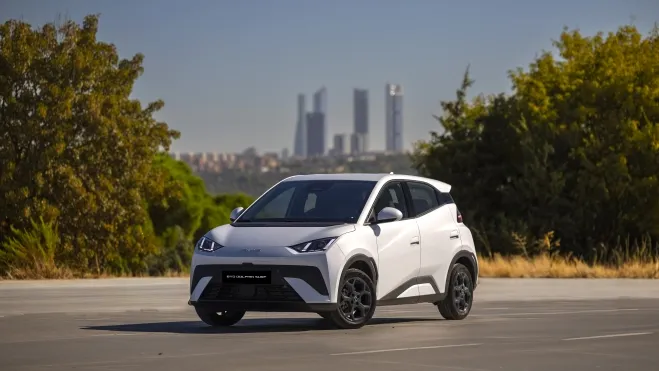
The brand is also gaining ground with compact electric vehicles such as the BYD Dolphin Surf, which saw 4,334 registrations in Spain during the first nine months of 2026. Its emergence reflects a strategy increasingly adopted by Chinese manufacturers: offering affordable electric cars with prices competitive with traditional gasoline models.
Chinese electric vehicles reduce the impact of rising oil prices
The main economic advantage of this transformation relates to operating costs. While drivers of gasoline-powered vehicles depend directly on the prices of gasoline and diesel, those who use electric cars can replace that expense with electricity costs.
This difference is especially important when there are tensions in energy markets. An increase in oil prices can quickly affect fuel costs, whereas the cost of traveling the same distance with an electric car depends on factors such as electricity rates, the vehicle’s efficiency, and the possibility of charging at home.
In Spain, where a significant portion of the oil consumed comes from abroad, greater adoption of electric vehicles could help gradually reduce demand for fuels used in road transportation. However, the economic savings are not equal for all users, especially those who rely on public charging stations with high fees.
Dickman’s argument also addresses competition among manufacturers. The arrival of more affordable Chinese electric vehicles may force other brands to review their prices and expand their range of budget models. If this competitive pressure persists, it could help reduce certain costs associated with purchasing cars.
However, reducing drivers’ expenses does not necessarily mean that overall inflation will fall. The price index depends on numerous factors, including energy, food, services, and production costs. As of now, there is no estimate that can attribute a specific reduction in inflation in Spain or across the European Union to Chinese electric vehicles.
The next goal is to electrify freight transportation
The transformation could soon extend to commercial transportation. Adam Triggs, co-founder of the economic consulting firm Mandala Partners, believes that light commercial vehicles are becoming increasingly favorable for switching away from diesel. In certain applications, their total cost of ownership can already compete with that of equivalent gasoline-powered vehicles.
The expert particularly points to small vans and delivery vehicles that make frequent, predictable urban trips. In these cases, the ability to recharge during periods of inactivity and lower energy costs can offset part of the initial investment. As their use increases, the associated technology costs may also decrease.
The economic significance of this change extends beyond transportation companies. Distribution costs affect the final price of many products, from food to consumer goods. Therefore, a sustained reduction in transportation energy costs could help ease some of the pressures that ultimately affect consumers.
Nevertheless, Triggs also believes that governments can play a significant role in the coming years. Support aimed at reducing initial investment and developing charging infrastructure could facilitate the electrification of commercial fleets until the market reaches a scale sufficient to sustain its growth.