
A business owner has been using electric trucks for 4 years, saving 125 euros per vehicle per day and reducing his costs by 15% compared to diesel.
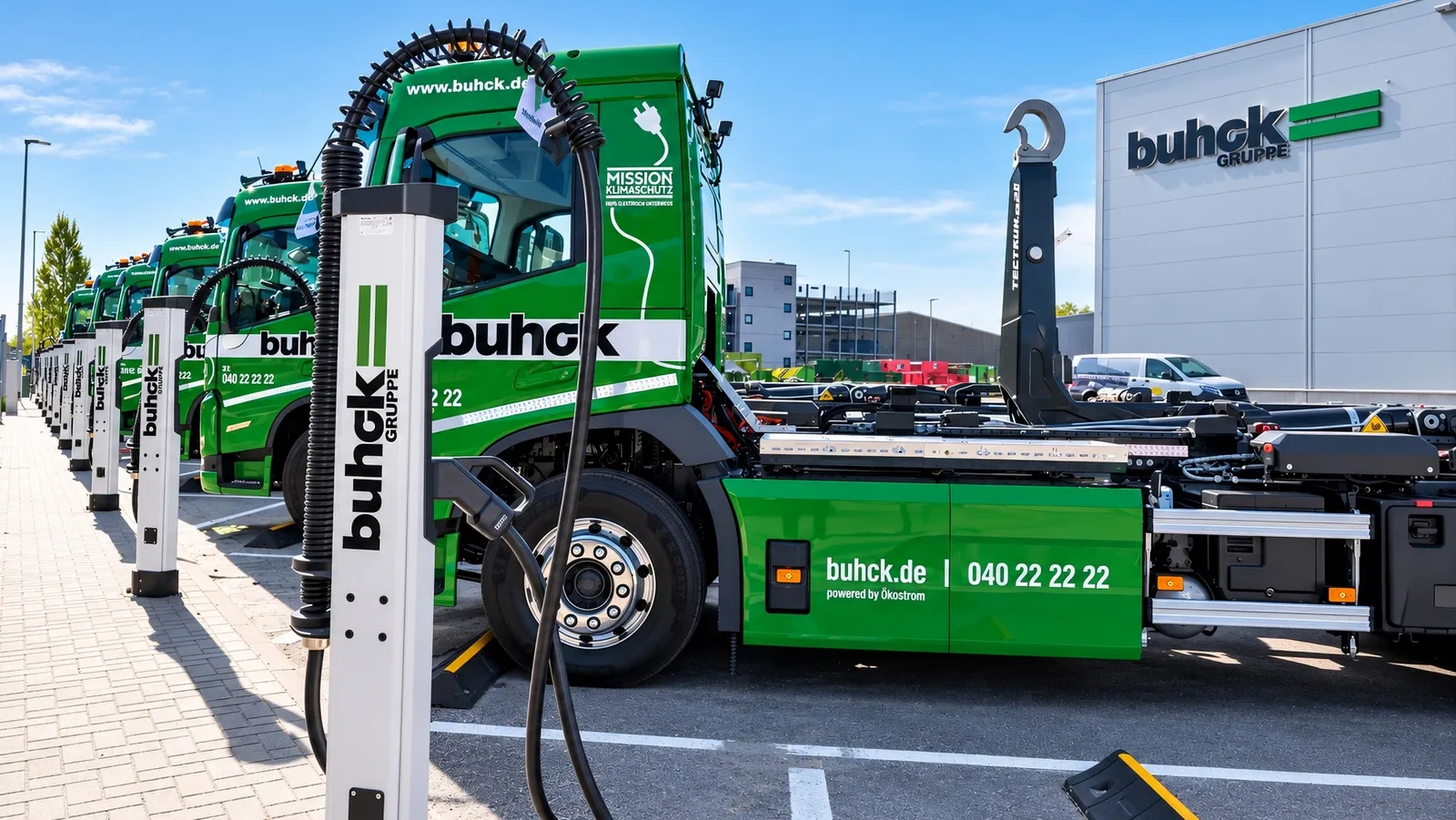
The profitability of electric trucks remains one of the major uncertainties for many transportation companies, especially due to their high purchase price compared to diesel models. However, some companies that have been using this technology for years now have sufficient data to make their own calculations. This is the case with Buhck Gruppe, a German company in environmental services and waste management that has reached a conclusion: their electric trucks are more cost-effective than diesel ones under their operating conditions.
The company, which operates partially in Hamburg, has been integrating electric vehicles into its operations for four years. According to internal calculations shared by its CEO, Markus Horstkötter, with the industry magazine Electrive, electric trucks incurred total costs that were about 15% lower than those of equivalent diesel vehicles in 2025. This difference is particularly significant because the analysis also takes into account the higher depreciation associated with their higher purchase price.
But the figure that best reflects the economic consequences of this decision lies in daily savings. The company estimates that each electric truck can reduce costs by approximately 125 euros per day when traveling an average of 250 kilometers. If this usage rate is maintained, the savings can reach around 30,000 euros per vehicle annually—a significant amount for any company operating a fleet of heavy transport vehicles.
From spending up to 1.75 euros per kilometer to cutting costs with electricity
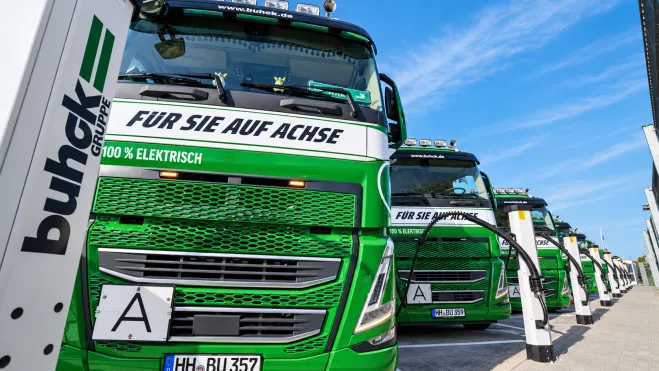
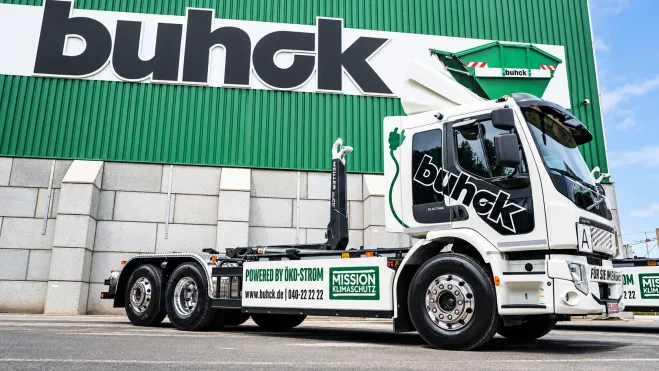
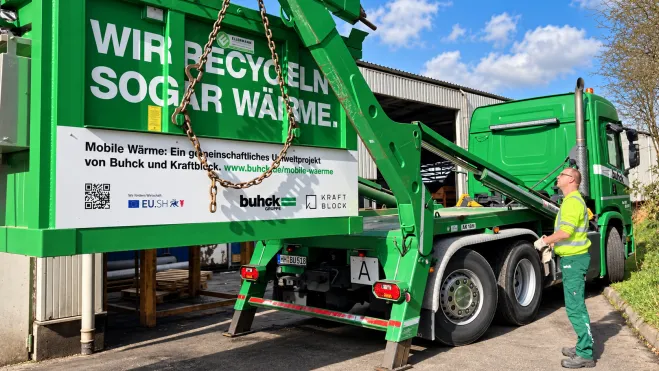
The German company currently has 53 vehicles at its facilities in the Billbrook district of Hamburg, 14 of which are fully electric. These include Volvo FH Electric and FM Electric trucks used for various tasks related to transporting waste, containers, and materials. The electric fleet covered over 500,000 kilometers in 2025, an experience that has allowed the company to assess its performance under normal working conditions.
Economic data show significant differences between the two technologies. According to Buhck’s estimates, diesel trucks cost between 1.70 and 1.75 euros per kilometer, while electric trucks range from 1.17 to 1.20 euros. The advantage stems mainly from lower energy costs and maintenance requirements, although the outcome depends on usage conditions, energy prices, and investment made.
Maintenance is precisely one of the aspects that stands out most about this company. Electric trucks eliminate the routine tasks associated with combustion vehicles, such as engine oil changes and repairs to certain mechanical components or exhaust treatment systems. Although Buhck has observed slightly higher wear on tires and brakes, he claims that visits to the workshop have been significantly reduced.
Nevertheless, the purchase price remains one of the main barriers. Until recently, an electric truck equipped with the necessary body and systems for operation could cost around 370,000 euros. Although the company claims prices are falling, a comparable diesel vehicle is still about 100,000 euros cheaper. Therefore, to assess profitability, Buhck does not rely solely on the initial outlay but examines costs over its entire lifespan.
"With a nine-year service life, the high purchase price is undoubtedly justified," says Horstkötter in remarks to Electrive. The executive explains that market developments are also benefiting buyers, as manufacturers need to boost sales of zero-emission vehicles to meet regulatory targets. In fact, Buhck has set a goal of reducing the price of its upcoming purchases to around 250,000 euros per truck.
The key to saving 125 euros per day lies in how the trucks are recharged.
There is one particularly important condition for understanding these results: Buhck has its own charging infrastructure. The company operates 16 high-power charging stations from the Finnish manufacturer Kempower, capable of dynamically distributing electricity at up to 280 kW per station. Thanks to this setup, trucks can typically be charged at night while parked on company premises.
This detail is crucial because regularly using public fast-charging stations would significantly increase energy costs. The company can better control the electricity price and arrange operations so that vehicles can regain the necessary energy without disrupting their work schedule. Therefore, the daily savings of 125 euros should not be interpreted as a figure that can be automatically applied to any transporter.
The increasing electrification also poses new challenges. Buhck estimates that once his entire fleet is electric, he will need approximately 3.5 million kWh of electricity per year. His current photovoltaic installation will not be sufficient to meet this demand, so he is exploring new energy storage and generation solutions. Among the options he is considering are even vertical-axis wind turbines, with which he plans to produce some of his own electricity.
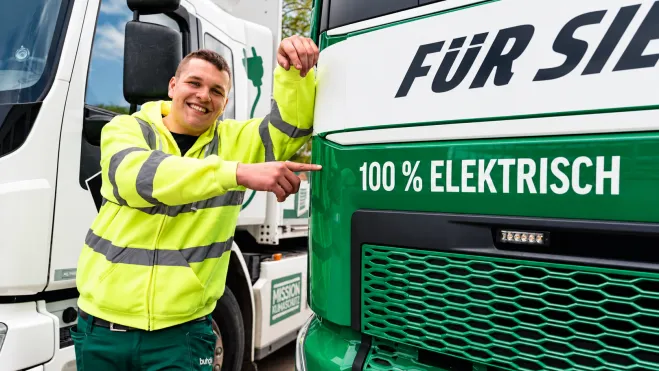
Despite these challenges, the company’s experience has been sufficiently positive to continue replacing diesel trucks. Its plan is to add seven to eight electric vehicles each year and complete the electrification of its fleet by 2032 at the latest. Horstkötter explains that after the initial years of adaptation, electric trucks have become part of the company’s regular operations and offer additional advantages in terms of comfort and reduced noise.
The Buhck case shows that electric trucks can be economically competitive even with their higher initial price, as long as the routes, mileage, and charging infrastructure are appropriate. After four years of experience and over half a million kilometers traveled by its electric fleet in 2025, the German company believes this decision is driven not only by environmental considerations but also by its ability to reduce costs and improve operational profitability.