
A businessman with diesel and electric trucks does the math: he estimates he could save 900,000 € per year through electrification.
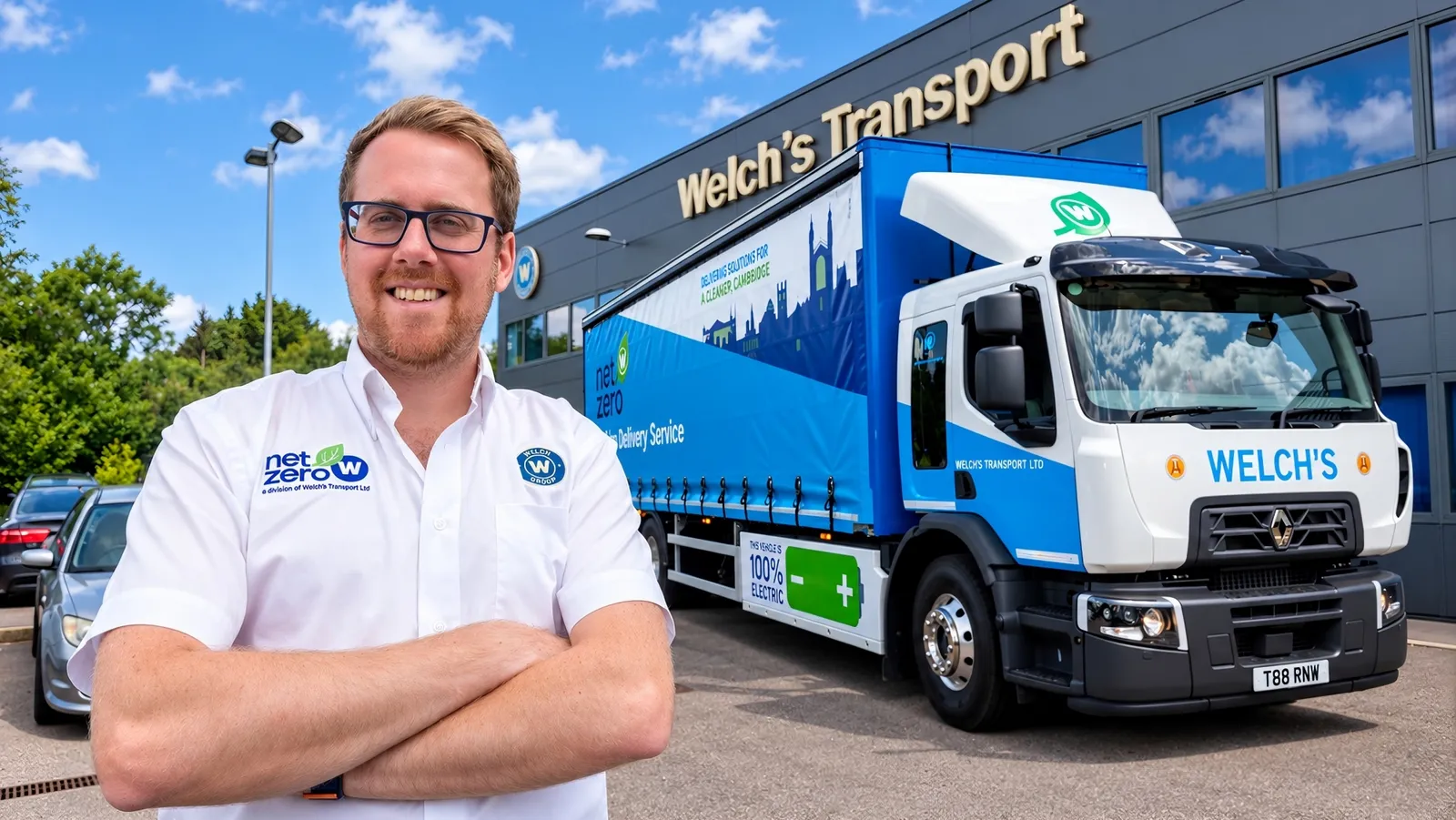
Diesel trucks continue to dominate road freight transportation, but some business owners are beginning to find economic reasons to change this situation. It’s not just about reducing harmful emissions, but also about determining whether electric vehicles can be more cost-effective in the long term. This is exactly what a British company has done, having worked with both technologies for several years and now providing figures for the savings it expects to achieve.
Chris Welch, CEO of Welch Group, a family-owned transportation and logistics company based in the UK, has developed an economic model with his team to compare the performance of a diesel fleet with one that is increasingly electrified. The results are particularly striking: the company estimates it could save around 792,000 pounds annually, or approximately 900,000 euros, by 2035. This amount depends on both increasing the number of electric trucks and allowing other companies to use its charging facilities.
"The price of diesel is proving that our decision to switch to electricity was correct," Welch said in remarks cited by the British media outlet GreenFleet. The businessman claims he is already seeing significant savings on energy costs for his electric vehicles compared to diesel vehicles, though he did not specify the amount he currently saves. His argument is that every rise in fuel prices makes investing in electrification more attractive and underscores the advantages of having an alternative energy source.
The calculation that makes his strategy profitable
One of the most surprising findings from Welch Group’s internal study relates to the cost of charging. The company estimates that the total cost of energy used by its electric trucks, including the infrastructure costs allocated to each unit, could drop from approximately 42 pence per kWh in 2026 to just 9.1 pence in 2035. This would represent a reduction of nearly 78%, assuming the projected growth and usage of chargers hold true.
The explanation lies not only in purchasing cheaper electricity but also in making better use of existing investments. Welch Group aims to turn its charging facilities into a service for other transporters, so that chargers are not underutilized while their own trucks are in use. By charging for this energy and spreading the cost of the facilities across more vehicles, the company hopes to gradually reduce the actual cost associated with each charge.
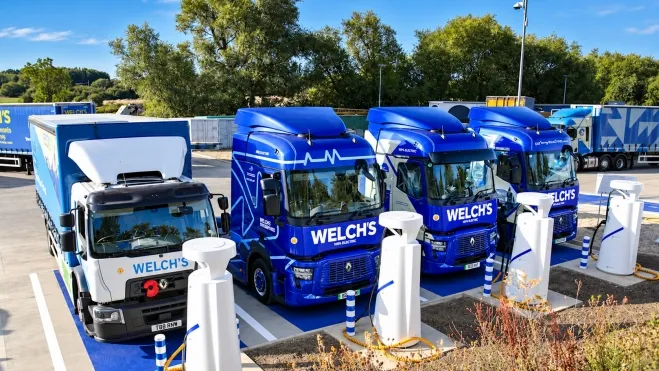
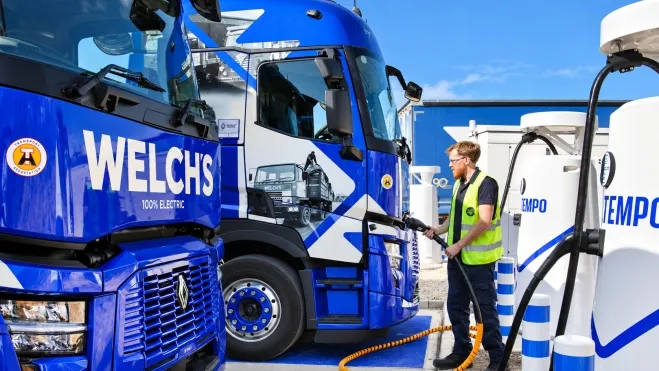
In fact, the company has already begun developing this strategy at its facilities in Duxford, near Cambridge, where it operates a high-power charging center built in partnership with Voltempo. The infrastructure features six bays, two of which are designed to accommodate full trucks with their trailers, and four others for tractor units. The system can dynamically distribute up to 1 MW of power among connected vehicles based on their charging needs.
The company has also launched a second facility with six charging stations and 1 MW of capacity in Bedford, as part of the UK’s eFreight 2030 program. The goal is to establish a network that enables electric freight operations without relying solely on public infrastructure. Meanwhile, vehicles from other companies can use the available capacity through a reservation and payment system, generating an additional revenue stream for Welch Group.
It already uses electric trucks from Renault and DAF
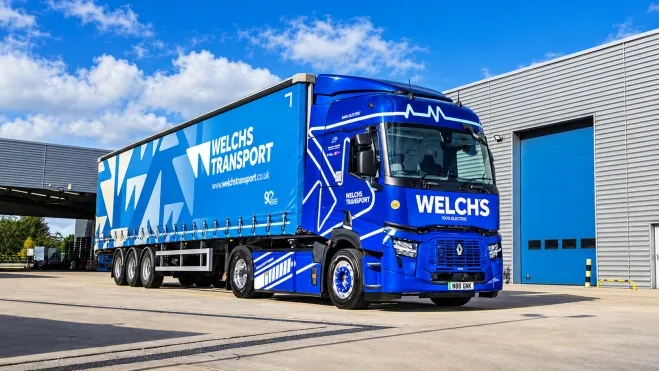
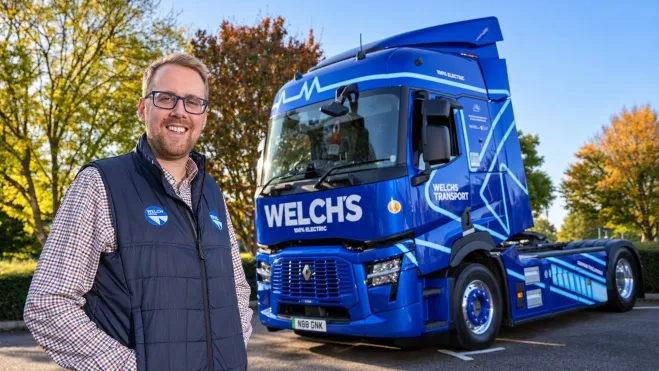
Chris Welch’s commitment to electric trucks is not new. His company began incorporating them in 2023, when it put a 19-ton Renault Trucks E-Tech D Wide into service. Later, it added 42-ton Renault Trucks E-Tech T electric tractor units as part of the eFreight 2030 program, aiming to test their performance in real heavy-duty transportation operations.
Since then, Welch Group has continued to expand its fleet with new Renault Trucks units and an electric tractor from DAF. It has also ordered three additional 28-ton electric Renault trucks, with plans to have 12% of the company’s vehicles electric by January 2027. This is a gradual transition, during which diesel trucks remain part of the business as the necessary infrastructure is expanded.
For their top executive, the decision is directly related to profitability. “Reducing emissions is important, but protecting our margins is too,” explained Welch, who believes shared infrastructure can turn chargers into a commercial asset. Rather than simply replacing diesel trucks with electric models, his aim is to develop a more efficient business that can reduce their exposure to fuel price fluctuations.
The British context helps explain their calculations. According to an analysis by New AutoMotive, the rise in diesel prices during the summer was adding approximately 35 million pounds per week to the fuel costs for the country’s transporters. On September 30, the average diesel price reached 199.9 pence per liter, up 35 pence since July 8. This increase particularly affects companies with large fleets and long-distance operations.
However, electrifying heavy transportation still faces significant obstacles. The high purchase price of vehicles, connections to the electrical grid, infrastructure costs, and uncertainty regarding battery residual value make investment challenging. In fact, according to New AutoMotive, 97% of new trucks registered in the UK in 2025 still used diesel engines, while electric trucks accounted for just over 1% of registrations in the first eight months of 2026.
Therefore, the approximately 900,000 euros that Welch Group estimates it will save does not represent a benefit already achieved, nor does it guarantee that any transporter can obtain similar results. It is an internal projection for 2035, dependent on the growth of electric fleets, energy prices, and revenues from sharing chargers. It also does not constitute a comprehensive analysis of the total cost of ownership over a vehicle’s lifetime, though it provides a concrete example of how some companies are trying to turn the electrification of heavy transport into an economic opportunity.