
A Toyota executive rejects the idea that "everyone wants an electric vehicle" and sticks firmly to its hybrid approach.
Many claim that Toyota has not taken the new electric era of mobility seriously enough. However, a basic understanding of Japanese culture reveals that this is the usual approach of the world’s largest automobile manufacturer. Toyota thinks globally when implementing its plans, and the world today is not yet fully ready for electric cars. Nevertheless, no one can deny that over the past few years, Toyota has made decisions that are difficult to understand, as one of the brand’s executives noted.
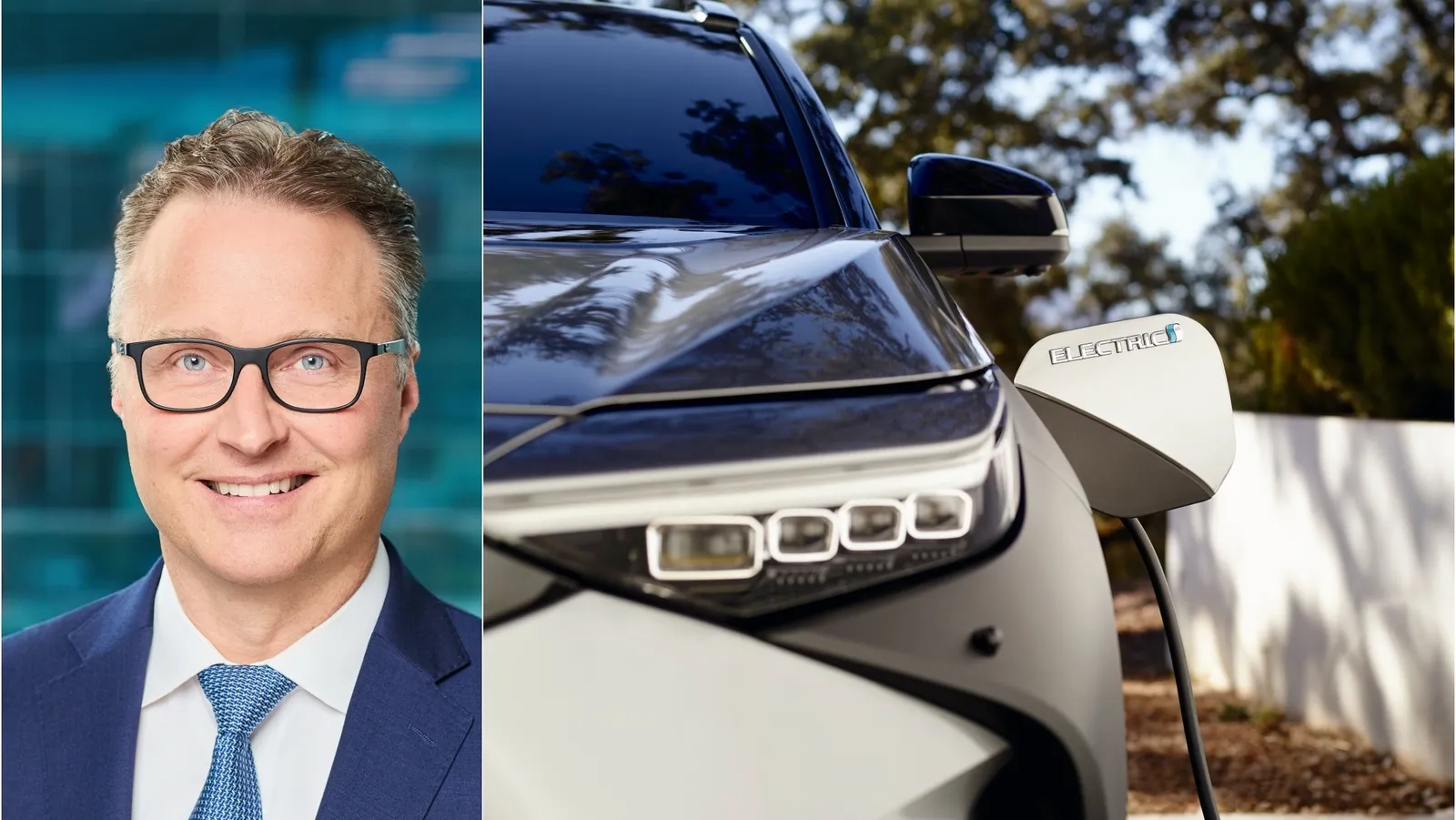
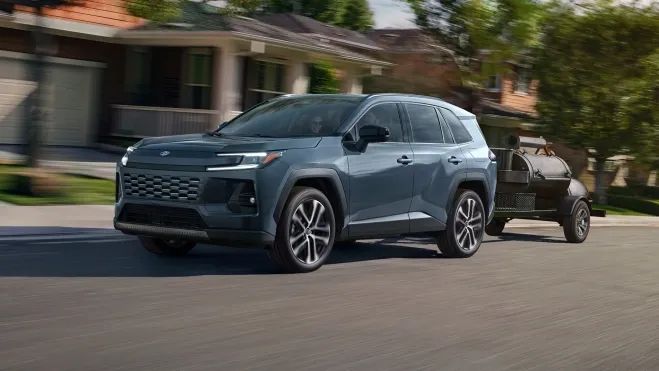
Cooper Ericksen is Toyota’s senior vice president of product, battery electric vehicles, and mobility planning and strategy for North America, which means he holds a very high position within the company’s hierarchy. During an interview, Ericksen made several important comments. One of them was about the great moment his company is experiencing. Far from the serious problems facing its closest Japanese rivals, such as Nissan or Honda, Toyota has maintained stability in tough times. With a strong focus on hybrids, Toyota’s lineup is generating substantial profits. The company remains, as always, the world’s most profitable automaker.
Stability amid Turmoil
Toyota’s plans are currently yielding results, and the numbers prove it. As Ericksen himself stated during the interview: “The electric vehicle market has been a rollercoaster in many ways.” His role is of utmost importance; “I’m involved in product planning. So I analyze the landscape five or ten years ahead to determine the right time to enter the market. When is it too early? When is it too late?” Given the rapid pace of change in the industry, it doesn’t seem like an easy task at all.
The most common approach would be to follow trends, but that isn’t the way a Japanese brand thinks—instead, it analyzes and plans every move in detail. Many manufacturers have overestimated the arrival of electric cars and are now suffering the consequences. The clearest example? Volkswagen. The Germans believed global demand would surge, but that hasn’t happened. They initially made projections that haven’t materialized, forcing them to adjust their strategy. They are well aware that electric cars will become dominant, but not in such a near future as they had anticipated. Government pressures have also played a significant negative role.
"We adapt to the customer’s needs."
Meanwhile, at Toyota, as Ericksen says, “we remain committed to our strategy, and it’s gratifying to see it working well.” He added, “The main advantage of our product lineup is that we have something for every customer, and currently, our hybrid propulsion systems are the most successful.” The phrase that best describes the mindset of this Japanese company is: “We adapt to the needs of our customers.” Not everyone wants or can make the switch to 100% electric mobility. Not all regions of the world are ready for this transition, and Toyota excels in them all.
Ericksen says the reality is that customers have real practical concerns about electric mobility. They are unsure about the reliability of electric cars, don’t know how to manage charging, and are unwilling to pay the extra cost. Toyota is already aware of these uncertainties. A few years ago, consumers had many of the same concerns about hybrids when they first hit the market. The company addressed these issues through systematic improvements and consistency, but it took hybrids more than 20 years to move from being a very niche market segment to accounting for 16% of the market. “Electric vehicles also have a long way to go, and they start by addressing customers’ concerns,” he said.
It hasn’t been all smooth sailing in Japan; mistakes were also made
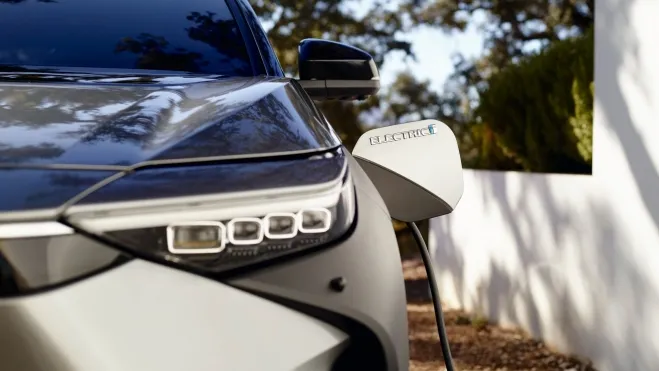
Criticism of Toyota for its slow rollout of electric vehicles is common, but beyond pace and political issues, no one can deny that at times the company has fallen short of expectations. The company’s first modern electric car, the Toyota bZ4X, reflected all the problems of a product developed in haste: it had poor range, weak charging performance, lacked features suitable for electric vehicle use, and offered little competitive advantage. Ericksen admits it was not the brand’s best moment.
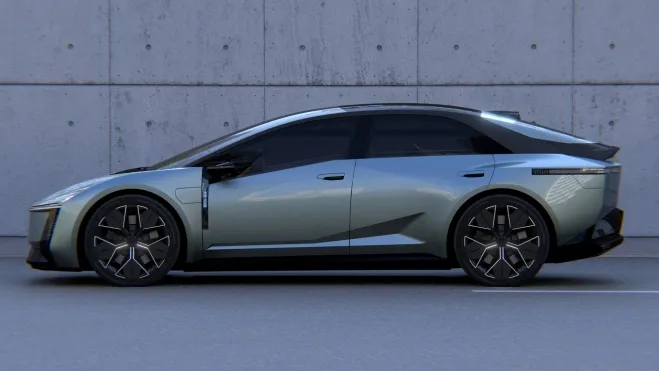
On the contrary, the new outlook is very different—“the coming years will be exciting.” By 2030, Toyota aims to have its electric car share at around 10%, at most, which the company itself considers “a negligible figure.” Toyota is taking steps toward electrification, such as developing the future Toyota Corolla, but the Japanese have shown that caution is the right strategy today. Some Chinese rivals may put pressure on the world’s largest car manufacturer, but for now, for a few more years, Toyota will continue to dominate the market, mainly with its hybrids.
Source: Inside EV
