
An electric car for less than 15,000 euros: this is what the model that could sell millions in Europe might look like
For years, the automotive industry has largely followed the opposite path: cars that are increasingly larger and more powerful, with bigger batteries and an ever-growing list of features. As a result, obtaining a new car has become increasingly difficult for many buyers. But what if, to get an affordable electric vehicle, we did the exact opposite?
A new proposal developed by the Fondation pour la Nature et l'Homme (FNH) and the Institut Mobilités en Transition suggests returning to a much simpler approach. Instead of removing a few options from a conventional model, it involves designing a car that is much smaller, lighter, and more efficient from the start, intended to cover daily commutes without trying to function as an all-terrain vehicle for every type of trip.
The approach is particularly interesting because it does not rely on revolutionary technology but rather on reducing everything that is not essential. Less weight, less battery, more modest performance, and a much more realistic usage experience. The question its creators have asked is whether there is sufficient demand in Europe for such a car and what volume it could achieve if manufacturers were able to offer it at a truly low price.
A European electric car that would change the rules
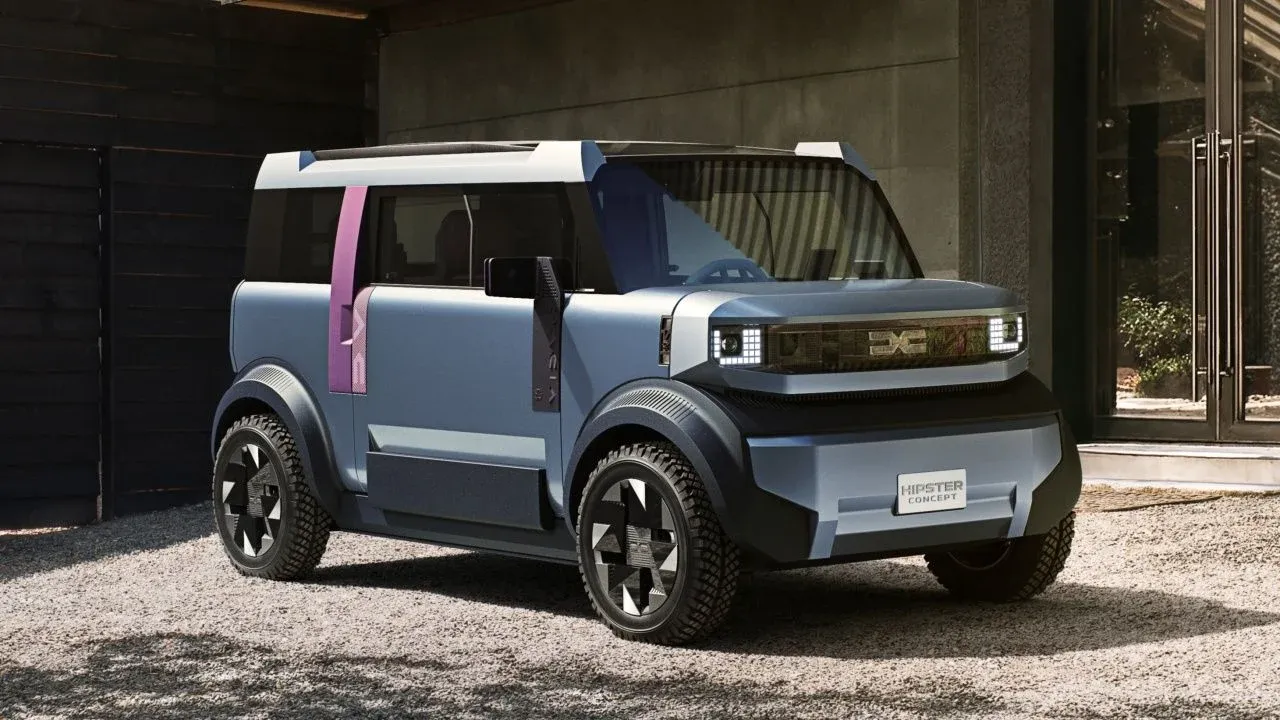
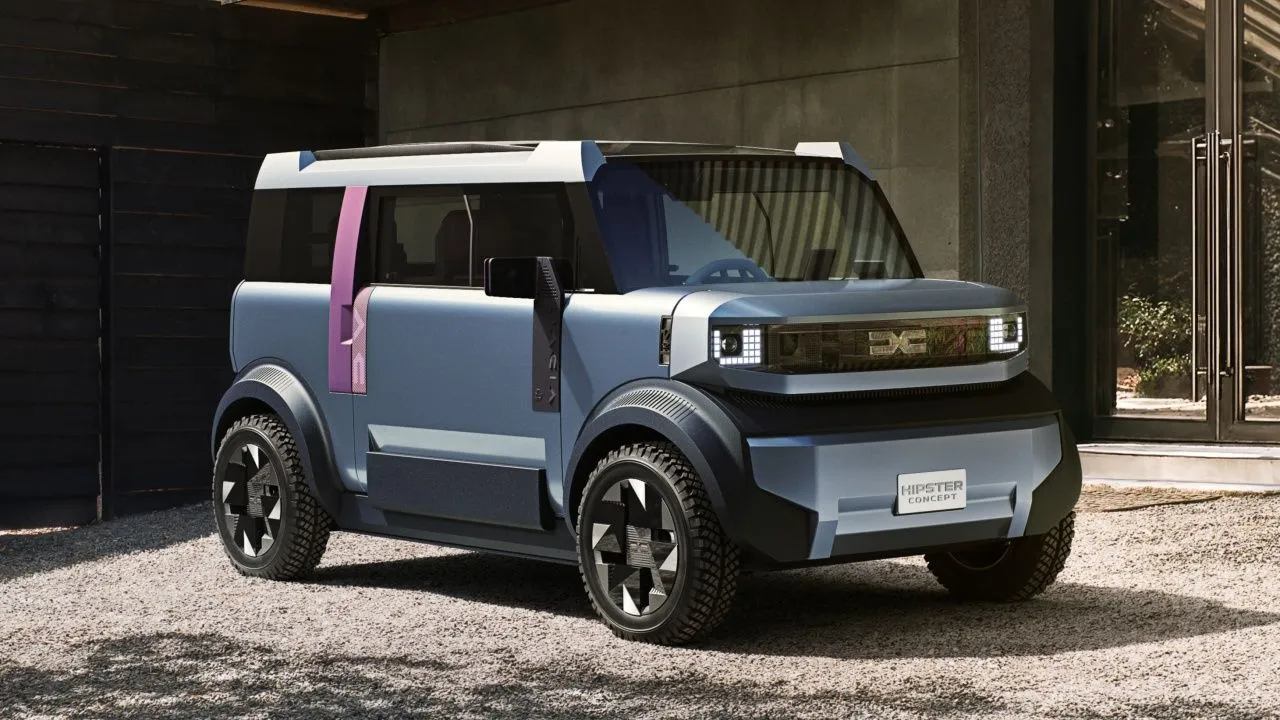
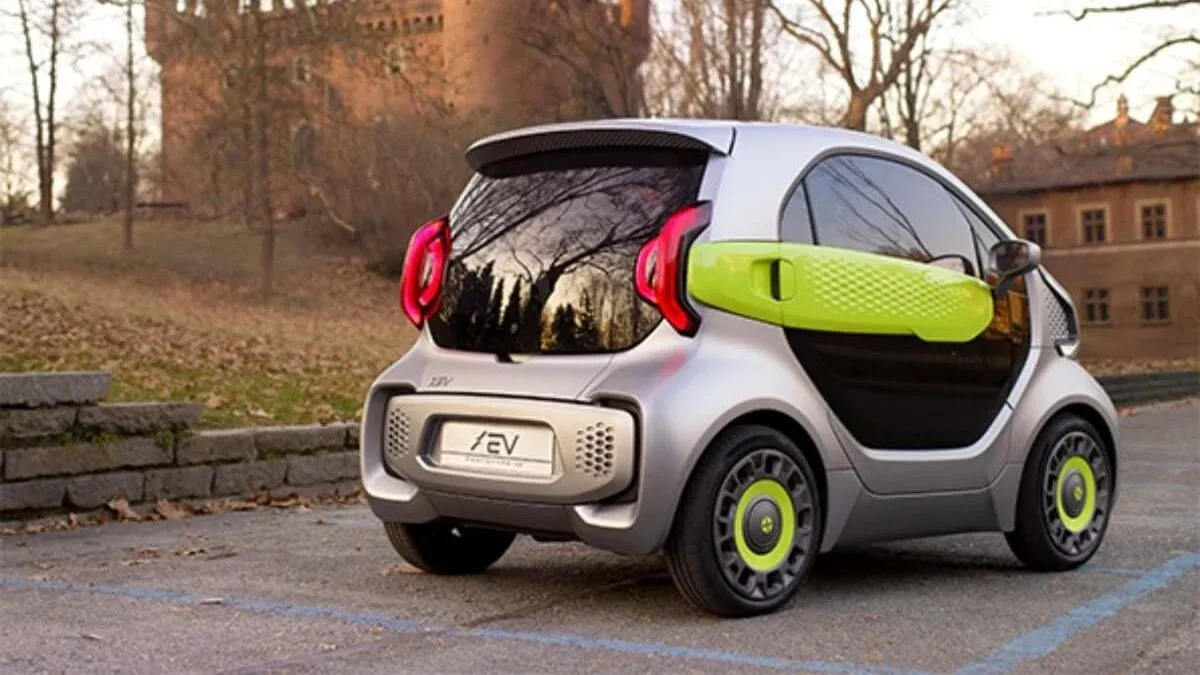
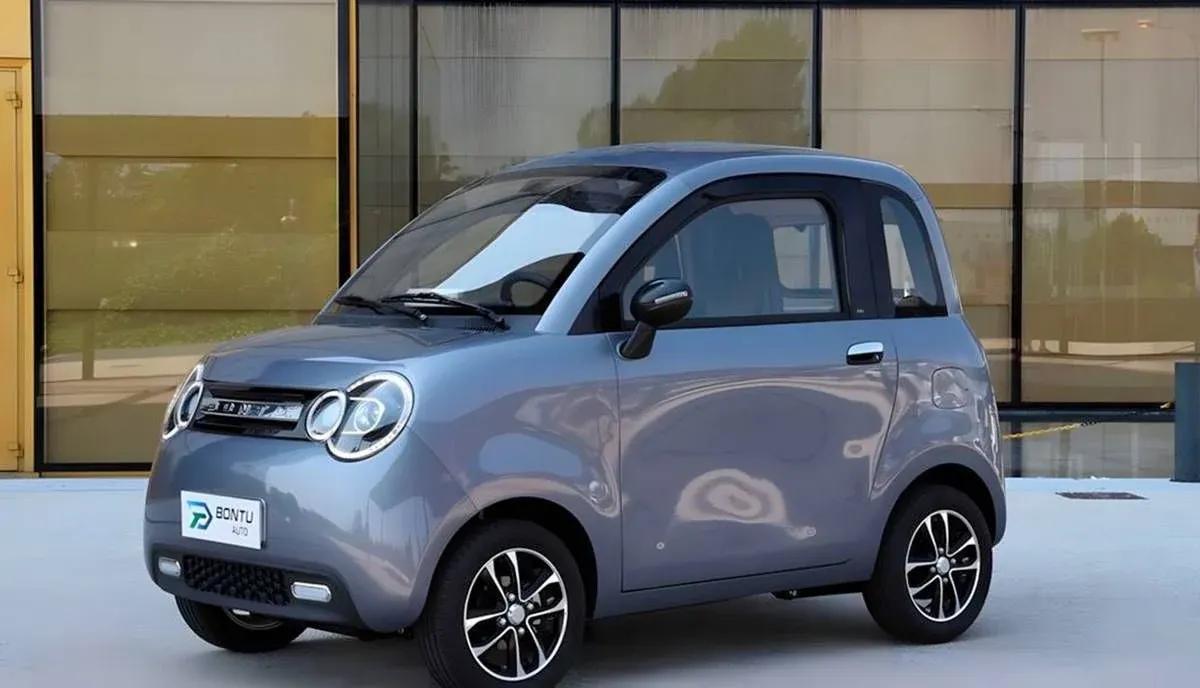
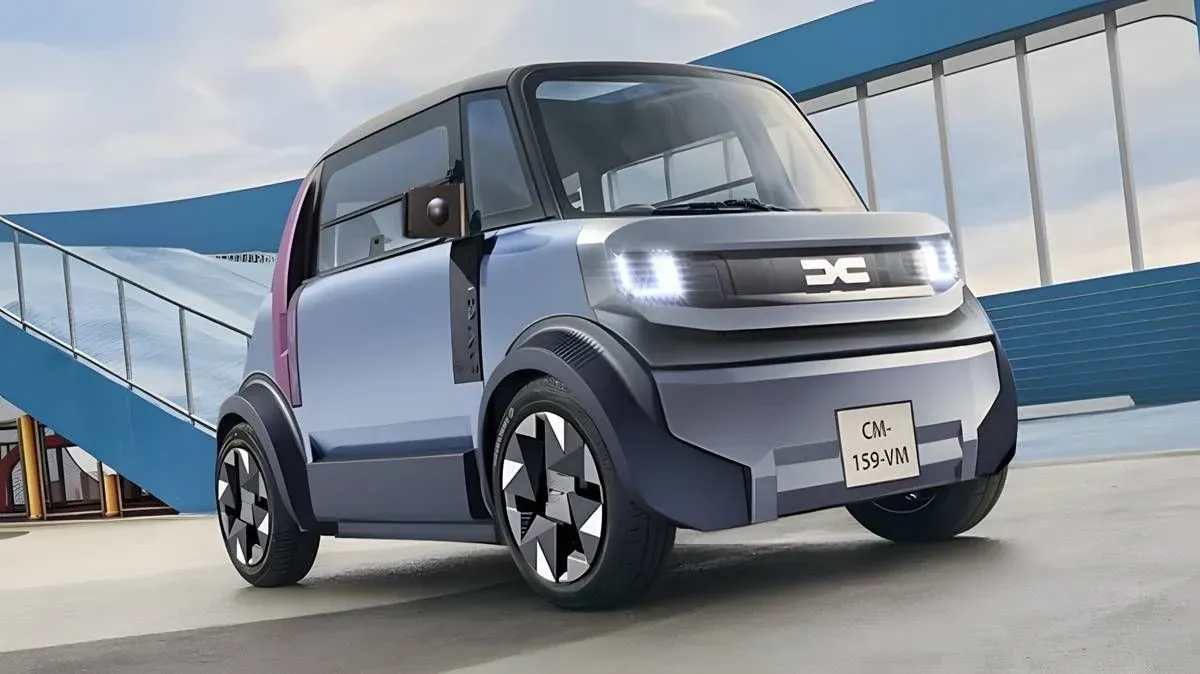
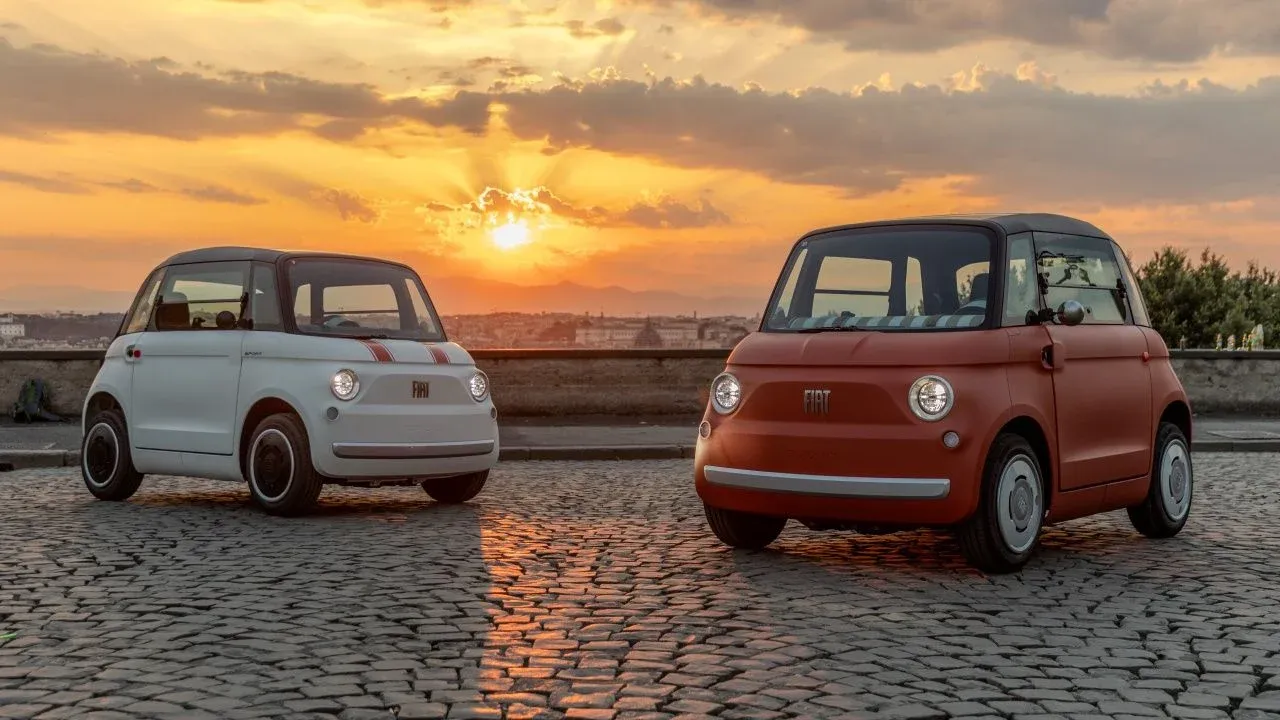
The proposal starts with a car weighing less than 800 kg and measuring 3.60 meters in length, with four seats. It is not a simplified version of an existing electric sedan, but rather a vehicle designed around a very specific premise: transporting its occupants in daily use while using as few resources as possible.
The battery would also be much smaller than usual. The study suggests capacities ranging from 15 to 22 kWh, sufficient to achieve real-world range of between 140 and 200 km. In exchange, one must accept one of the main differences from current electric cars: this model would not have fast charging. Recharging would occur through slow or accelerated charging, which fits a vehicle intended to be parked at home for most of the night.
The features would follow the same philosophy. The top speed would be limited to 110 km/h, a figure that would allow driving on roads and highways, though it’s clear this isn’t a car designed for long distances at high speeds. The goal would be something else: going to work, taking children to school, doing grocery shopping, traveling around a city, or covering typical routes between nearby towns.
It might seem like a too limited approach compared to current electric cars, but the study aims precisely to focus on how we actually use our vehicles. According to their calculations, in France 54% of cars currently on the road are suitable for trips that would fit a four-seater car with a range of 140 km. That amounts to around 19 million cars in France’s fleet.
The key point is that this proposal does not intend to replace all current cars. A car with these characteristics would hardly be the only option for a family that frequently makes long trips. But it could become the second car for many households or, directly, the primary vehicle for those who use their car mainly for daily commutes.
And here another important element comes into play. The study does not suggest that buyers must necessarily accept a car with a basic appearance or lower safety standards. The idea is to reduce features and equipment that offer little benefit in this type of use, while keeping essential elements such as seat belts, front airbags, the safety structure, ABS, stability control, and emergency automatic braking. Some of the mandatory technologies in current cars might fall outside this hypothetical category.
The economic goal is for all these efforts to make it possible to offer a European electric car for less than 15,000 euros before any subsidies. It would not be a price achieved through a one-time promotion or financing campaign, but rather the result of manufacturing a car that is much simpler than current models.
This figure also has an interesting consequence. According to the study, this car could reach a potential of 2.5 million annual sales in the European Union between 2030 and 2035, provided there is an offer capable of meeting that demand. Once the segment is fully developed, the potential could approach 3 million units per year. The authors themselves emphasize that this is a market calculation rather than a forecast for vehicle registrations.
The difference is significant. Approximately 40% of those sales would replace new cars in segments A and B, while the remaining 60% would come from buyers who currently turn to the used car market. Netting this together, the study suggests that the arrival of such vehicles could boost new car sales in the European Union by around 12%.
The potential impact on the vehicle fleet could be even greater over time. FNH and IMT estimate that these cars could number around 14 million units on the roads in the European Union by 2035, accounting for approximately 6% of the total fleet. In the long term, once a sufficiently large used car market emerges, the study’s projections suggest the figure could rise to 63 million cars.
There is also an economic reason behind this proposal. The study estimates that the total cost of ownership for this hypothetical car would be lower than that of new electric cars in segments A and B, and comparable to that of a relatively recent used electric car in segment B. It would still be more expensive than older used combustion engines, which are precisely the ones used by many low-income households.
This means that a car priced at 15,000 euros would not alone solve the problem of affordable access to cars for all buyers. The research itself suggests that the used car market would play a crucial role, as the first owners of these cars could later supply a larger pool of cheaper used models.
The environmental argument is also an important part of the proposal. According to calculations by FNH and IMT, replacing a B-segment combustion engine car that is about ten years old with one of these models would reduce greenhouse gas emissions associated with its production and use by three to 3.5 times, while keeping the same driving distances.
The reduction in size would also have implications for energy consumption. If these models replaced current larger electric cars, the study estimates they could save around 26 TWh of electricity per year starting in 2035. Additionally, their smaller battery capacities would allow for a reduction in lithium consumption of about 6,000 tons per year, equivalent to roughly 52 GWh of battery capacity that would no longer need to be produced.
But for this idea to become a real car, it’s not enough for just one manufacturer to want to produce it. European regulations will also need to determine what scope exists for developing vehicles with these characteristics.
The European Union is working on a new subcategory called M1e, intended for small electric cars. The proposal suggests using a maximum length of 4.20 meters as a criterion, with subsequent specific simplification measures allowed. It’s not yet the same concept proposed by FNH and IMT, but it could become one of the pathways to facilitating the development of smaller and more affordable European cars.
For this reason, the study proposes exploring two approaches: adapting the future M1e category to allow even simpler vehicles or creating an intermediate category tentatively named M0, placed between heavy quadricycles and conventional cars. This second option could establish specific requirements related to weight and maximum speed, maintaining certain safety elements while preventing a vehicle limited to 110 km/h from having to meet exactly the same demands as a much larger and faster car.
The core issue is whether Europe is willing to manufacture cars again by focusing first on basic mobility needs and only then adding extras. The industry has been competing for years to offer greater range, more power, larger size, and more features. The proposal from FNH and IMT suggests the exact opposite: removing everything that isn’t essential to create a new car that can be sold for less than 15,000 euros.
We still don’t know if we’ll see a model like this at dealerships. What the study does show is that there’s a very significant potential market if any manufacturer can combine such a low price with European production and a product that’s attractive enough. The real challenge isn’t so much achieving 200 km of range with a small battery as it is manufacturing a complete car at that price in Europe.
And perhaps that’s the most interesting part of this entire proposal. In a market where electric cars have continued to grow in size and price, the next major European electric car might not need 600 km of range or 300 horsepower. It might need the exact opposite: to weigh little, consume little, cost little, and do well at something as simple as taking us from home to work every day.