
An electric truck can save up to 128,000 euros compared to a diesel one, but Spain is still far behind.
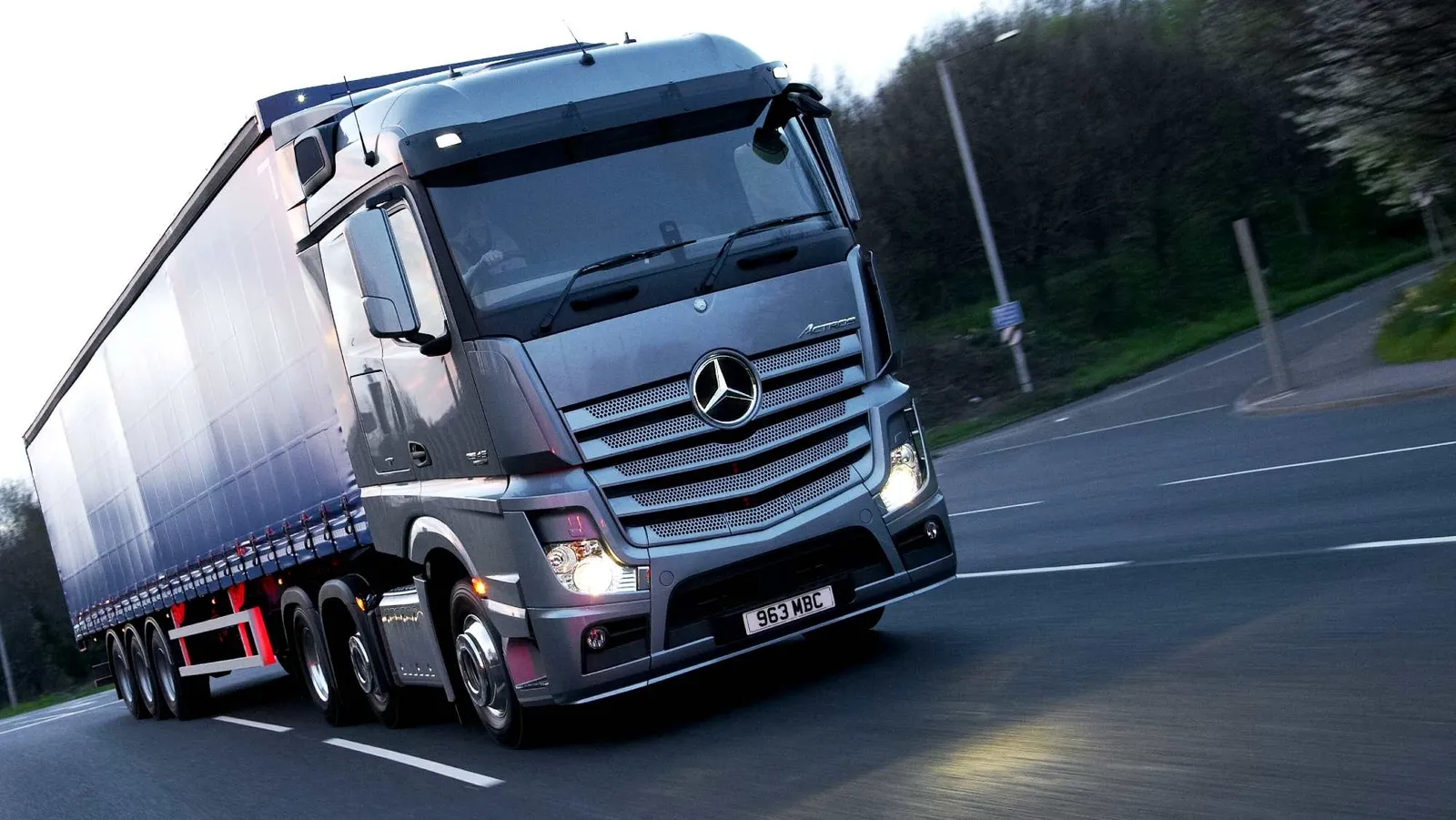
Electric trucks are beginning to overcome one of the main barriers that still hinder their expansion in heavy transportation: cost. A new analysis by Transport & Environment (T&E) finds that they are already cheaper to operate than diesel trucks in six of the nine major European markets studied, and together they account for over 46% of new heavy truck registrations in the European Union.
The study is based on the concept of total cost of ownership, known as TCO, which goes beyond just the purchase price of the vehicle. This factor is already considered in passenger cars, but for trucks this methodology is particularly important because the cost of using them over many years can outweigh the initial purchase difference between an electric and a diesel model.
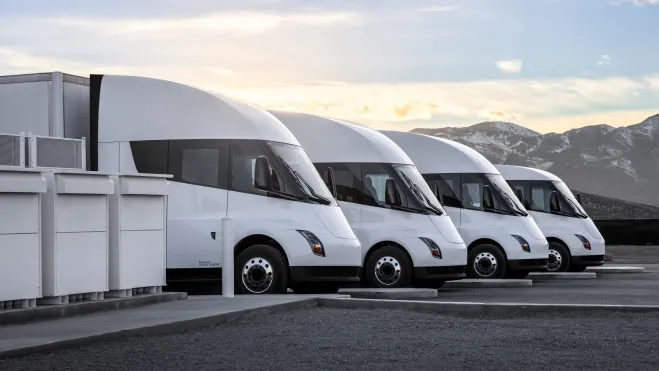
Up to 128,000 euros in five years
In the Netherlands, a company operating an electric truck can save up to 100,000 euros over five years compared to a diesel model. In Germany, the savings would amount to 85,000 euros, while in Denmark it would be around 69,000 euros. In these three markets, the initial higher cost of the electric vehicle can be offset within approximately two years of use.
The study also introduces a particularly interesting variable that shows the purchase price still has a significant impact: the origin of the truck. By using a Chinese-made model, whose acquisition cost is considerably lower, the cumulative savings over five years could reach 128,000 euros in the Dutch market—nearly 30,000 euros more—which further reduces the time needed to offset the additional initial expense.
The explanation for the evolution of this sector lies in several factors. On one hand, manufacturers are gradually increasing production of electric trucks, which allows them to take advantage of economies of scale and reduce vehicle prices. On the other hand, there are national incentives and differences in operating costs, especially regarding tolls. The cost of energy also plays a crucial role, as a heavy truck travels many more kilometers than a private car; therefore, any difference between the price of electricity and diesel has a significant impact on a transportation company’s profitability. In this regard, T&E argues that the current diesel price situation further widens the operational cost gap in favor of electric models.
The results vary across countries
The profitability of an electric truck depends on the specific conditions in each market, ranging from purchase price to energy costs, taxes, tolls, and available subsidies. This is why three countries illustrate the negative side of this study: Belgium, Poland, and Spain.
In Belgium, after five years, the cost is 5,500 euros negative for those who buy an electric truck, but this savings amount to 30,100 euros if it’s a Chinese model. In the other two countries, the result remains negative regardless of the truck’s origin. In Poland, buying a Chinese truck results in a negative difference of 5,200 euros over the first five years, but this rises to 16,100 euros if it’s of Chinese origin. In Spain, the situation is even worse, with figures of 10,900 and 22,200 euros in each case.
Nevertheless, the outlook for the coming years is better. The model developed by T&E estimates that if current policies are maintained and some additional measures are implemented, by 2030 electric trucks could be cheaper to operate than diesel trucks in the nine countries analyzed.
The organization notes that this could happen even if some of the current direct subsidies for purchases are reduced or eliminated. However, among the measures T&E considers relevant to achieve this goal are maintaining Europe’s emission reduction targets for trucks, implementing toll systems linked to CO2 emissions, and expanding mechanisms to reduce the cost of electricity used to charge vehicles at transportation companies’ facilities.
