
A German driver has traveled 3,000,000 kilometers with his electric Tesla and reveals how many batteries and motors he has had to replace.
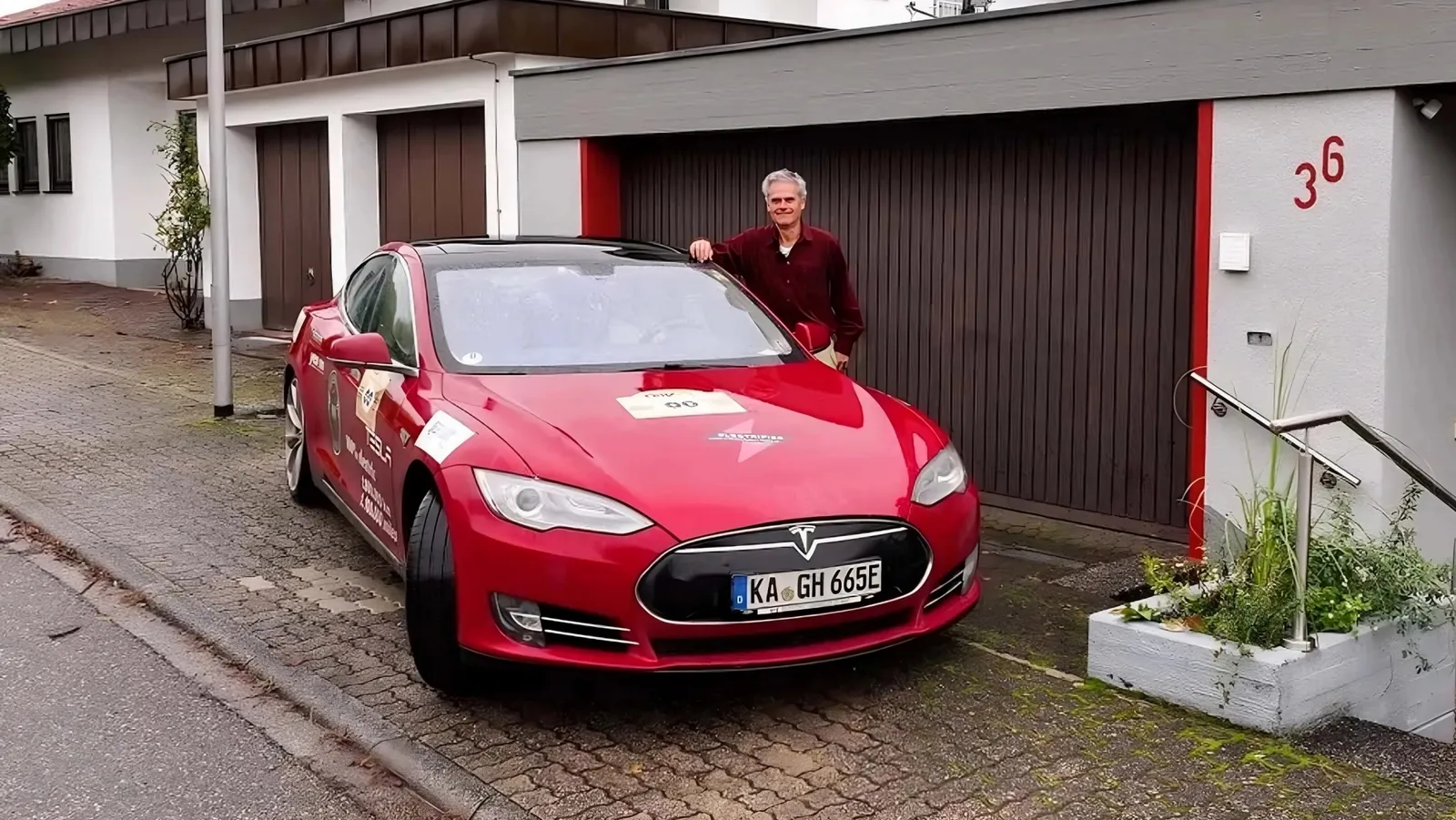
The lifespan of batteries and electric motors remains one of the biggest uncertainties for many drivers considering abandoning gasoline cars. However, some vehicles are now achieving mileage figures that seemed unimaginable just a few years ago. One of the most extraordinary cases is a 2013 Tesla Model S that has recently surpassed 3,000,000 kilometers traveled.
Its owner is Hansjörg von Gemmingen-Hornberg, a German driver who has been traveling almost non-stop with his electric sedan for over a decade. On September 30th, he shared a photo on his X account to confirm this new milestone, achieved after traveling the equivalent of about 75 full circles around the Earth.
But what’s truly interesting isn’t just the total distance traveled. The vehicle has required numerous repairs and component replacements, especially during its first few years of operation. Now, a new assessment conducted by the specialized EV Clinic reveals the condition of its battery and motor after such extreme use.
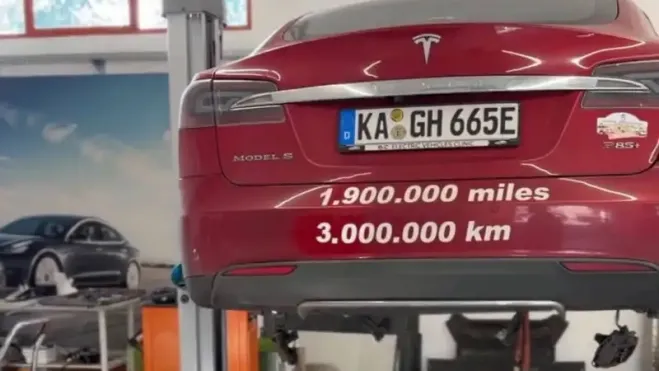
Three million kilometers, four batteries, and numerous repairs
The Tesla Model S, purchased secondhand in 2014, has not covered such a distance with its original components. Over its lifetime, it has used four main battery packs and undergone numerous repairs to its rear drive unit, a history that shows achieving such high mileage does not necessarily mean it operated without issues.
The first battery had to be replaced after approximately 290,000 kilometers. The subsequent batteries also required replacement at around 670,000 and 550,000 kilometers, according to records compiled by industry outlets. In 2023, when the vehicle had accumulated about 1,750,000 kilometers, its owner installed a 90 kWh battery pack that it is still using today.
This latest battery delivers the most interesting results. After traveling approximately 1,250,000 kilometers, EV Clinic reported a 14.1% capacity degradation. According to their measurements, the battery retains 75.4 kWh of its initial 87.8 kWh capacity, which was used as a reference in their evaluation.
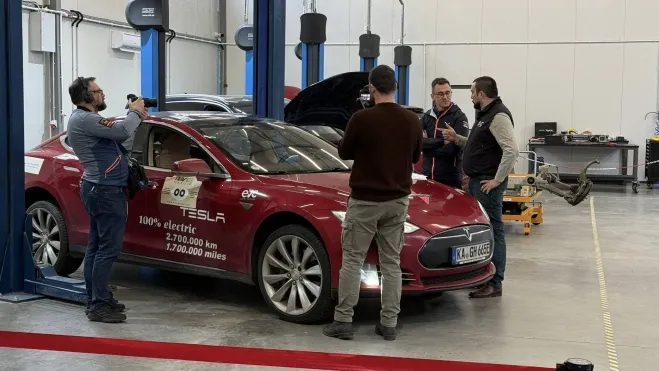
This figure is particularly noteworthy because it means the battery retains around 85.9% of its capacity after exceeding one million kilometers. However, it should be viewed as the result of a specific battery under certain usage and maintenance conditions, rather than a guarantee of lifespan for all electric vehicles.
A repaired engine that has already covered over 1,200,000 kilometers
If batteries have required multiple replacements, the history of electric engines has been even more complicated. According to data collected on the vehicle, the Tesla ended up needing 13 replacements for its rear propulsion unit before a more durable solution was found for the problems it had experienced.
A significant portion of those failures were related to the sealing system of the cooling circuit. When certain gaskets failed, coolant could seep into sensitive areas of the engine, causing damage that required repair or replacement.
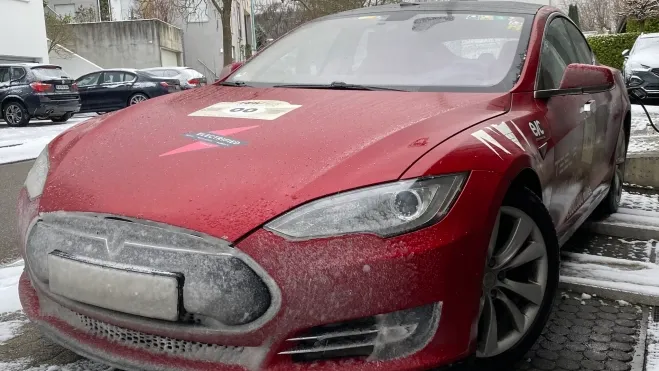
The situation changed when the owner took the vehicle to the independent repair shop EV Clinic, located in Zagreb, Croatia. Their specialists modified certain components of the sealing system and installed a graphite gasket to reduce the risk of further refrigerant leaks.
The outcome was very different from previous repairs. According to the shop, the repaired unit has now traveled an additional 1,208,000 kilometers, on top of the approximately 155,000 kilometers it had already covered before the repair. During that time, EV Clinic claims it only required a change of about one liter of transmission oil.
Subsequent inspection revealed that the bearings were still in good condition, although the workshop detected wear on the graphite seal and a small oil leak in a differential seal. Therefore, the engine is not completely free of wear, but it has managed to cover an extraordinary distance since its last major repair.
A 20,000 euro battery with free charging for years
Keeping a vehicle in service for three million kilometers also entails significant repair costs. The owner explained that most of the initial component replacements were done under warranty, though subsequent repairs required out-of-pocket expenses.
The current 90 kWh battery, installed when the car had already covered over 1.7 million kilometers, cost approximately 20,000 euros. Although it represents a significant investment, the battery has since covered 1,200,000 kilometers and still retains a substantial portion of its capacity.
Another factor affecting operating costs is access to Tesla’s Supercharger network. Its Model S belongs to a generation of vehicles that enjoyed free charging throughout their lifetime, a commercial advantage that allows it to travel long distances without incurring the usual costs of fast charging.
This situation means that their financial experience is not directly comparable to that of a owner who has to pay for each refueling. It is also impossible to calculate the total cost per kilometer accurately without having a complete record of repairs, tires, insurance, and other maintenance expenses.
Their next goal is to reach 5,000,000 kilometers
Hansjörg von Gemmingen-Hornberg’s record also stands out due to the intensity with which he uses his Tesla Model S. Since reaching approximately 1,600,000 kilometers in 2022, he has traveled around 900 kilometers per day on average, according to Drive Tesla’s calculations. During this time, he has traveled through numerous European countries and made long trips to destinations such as Morocco.
However, reaching 3,000,000 kilometers does not mean the vehicle has covered that distance without major issues. Its replacement history reflects the difficulties with certain components in the early generations of the Model S, though it also shows significant improvement. The current battery has accumulated over 1,200,000 kilometers with a degradation of 14.1%, while the engine repaired by an independent shop has covered a similar distance without further major repairs.
Far from concluding his project, the German owner has an even more ambitious goal: to reach 5,000,000 kilometers with the same car. If achieved, this figure will allow him to continue documenting the durability of batteries, engines, and other components in an electric vehicle subjected to extremely demanding use.