
Survey: High Fuel Prices Make Electric Cars the Long-Term Choice
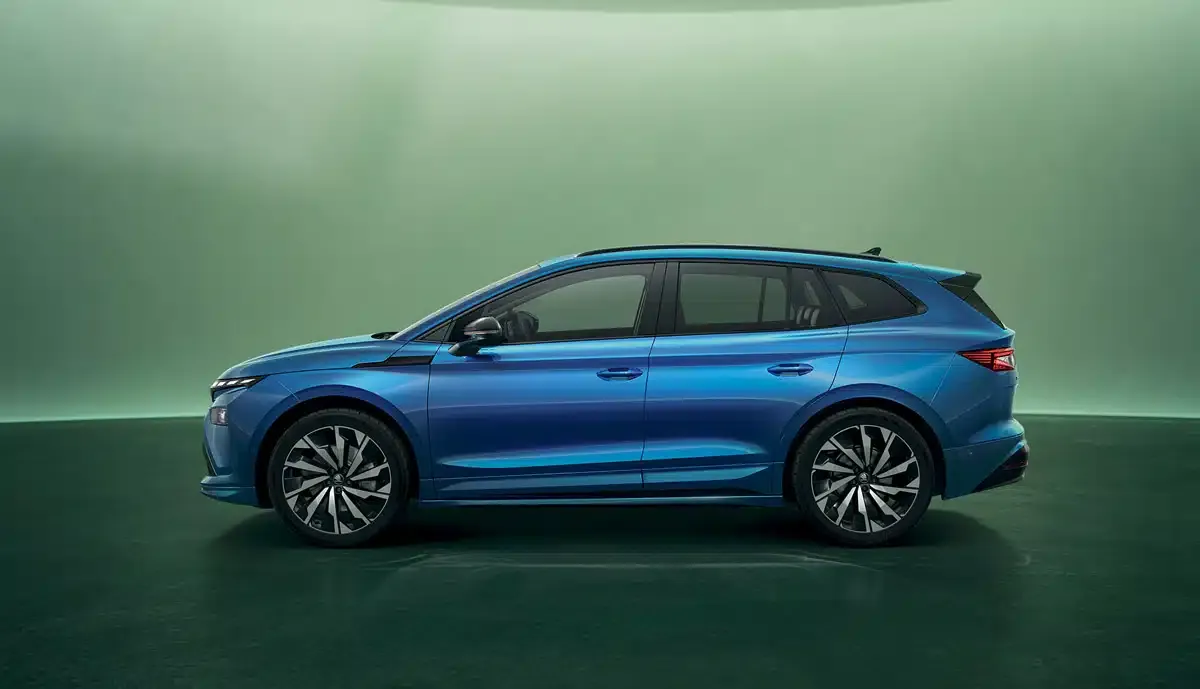
Image: Skoda (illustrative)
Fuel prices in Germany remain high once again. A recent survey conducted by the car comparison website and marketplace Carwow at the end of July among 1000 users suggests that many consumers no longer view high fuel prices as a short-term burden but instead base their long-term transportation decisions on them.
87 percent of respondents said fuel prices will influence their next vehicle decision. 61.1 percent stated they will definitely affect their decision. 61.9 percent consider switching to an electric vehicle as the best long-term solution to consistently high fuel costs.
According to the study authors, the results indicate a shift in strategy: for many consumers, electric vehicles are no longer just a sustainable alternative but increasingly the more cost-effective choice to reduce dependence on rising and volatile fuel prices.
From initial interest to long-term purchase decision
A Carwow survey in mid-March showed that rising fuel prices and the incentives for electric vehicles introduced at that time significantly increased interest in electric and hybrid vehicles. At that time, 48 percent of respondents said they were more likely to consider an electric vehicle due to rising fuel prices.
The latest survey shows that this trend has further solidified. Nearly 60 percent of respondents are now considering purchasing a more efficient or electric vehicle. 44 percent take high or volatile fuel prices into account permanently when making mobility decisions, while 42 percent remain concerned about fuel price trends.
"The results show that concerns over high fuel prices have by no means disappeared," said Carwow. "Rather than hoping for short-term relief or falling prices, many consumers are now permanently factoring in higher mobility costs into their long-term vehicle decisions."
Carwow data confirms this shift
The vehicle configurations on Carwow also reflect this trend. At the start of the year, electric car configurations accounted for 41 to 43 percent. After fuel price increases in the spring, the share of electric vehicles first exceeded 60 percent on a sustained basis. Since then, demand has remained at a consistently high level. Currently, 70 to 74 percent of all vehicle configurations are electric cars.
In contrast, demand for conventional engines has continued to decline. The share of gasoline vehicles is currently 11 to 15 percent, while diesel vehicles account for only 2 to 4 percent.
"In spring, we saw that rising fuel prices, combined with incentives for electric vehicles, significantly increased interest in electric cars. Our current data show that many consumers now expect higher transportation costs on a permanent basis and are adjusting their purchasing decisions accordingly," said Philipp Sayler of Amende, CEO of Carwow Deutschland. "As a result, the electric car is increasingly becoming an economic decision. For many people today, it’s less about reacting to the next price spike at the pump and more about being able to better plan their transportation costs in the long term."
Also interesting
About the author
Thomas Langenbucher is an expert in electromobility with professional experience in the automotive industry and finance sector. Since 2011, he has been covering electric vehicles, sustainable technologies, and mobility solutions for ecomento.de. Learn more.
Reader interactions