
Survey: Electric vehicles perform well in daily use, but hybrids are gaining interest
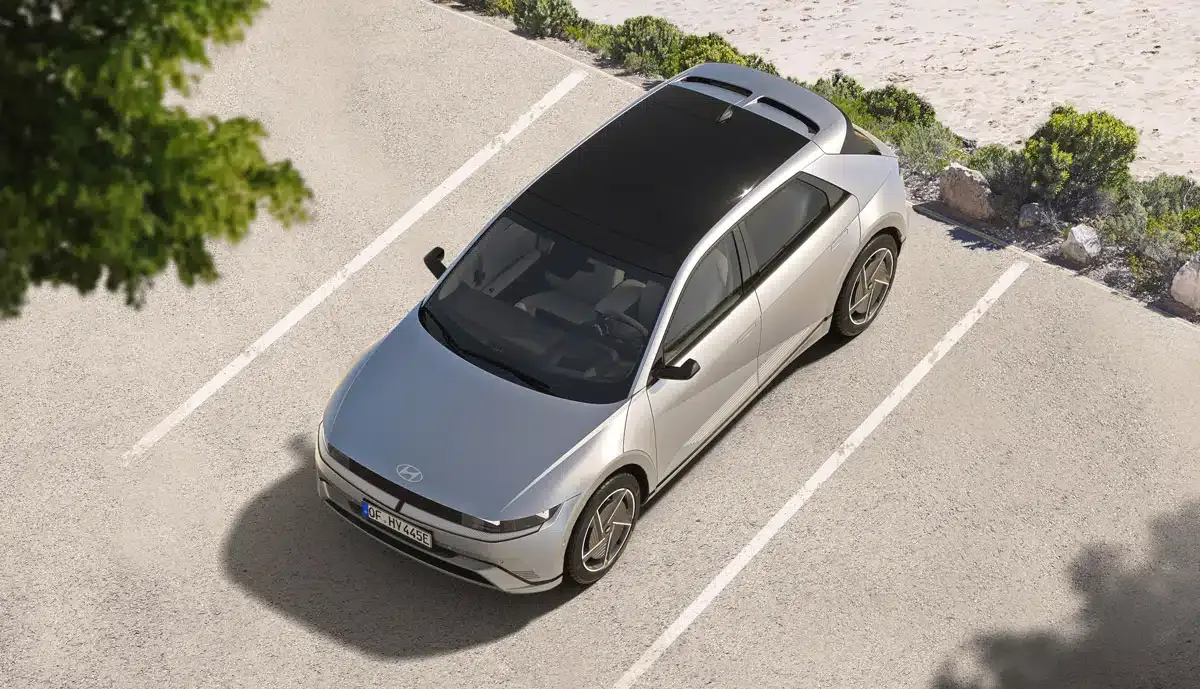
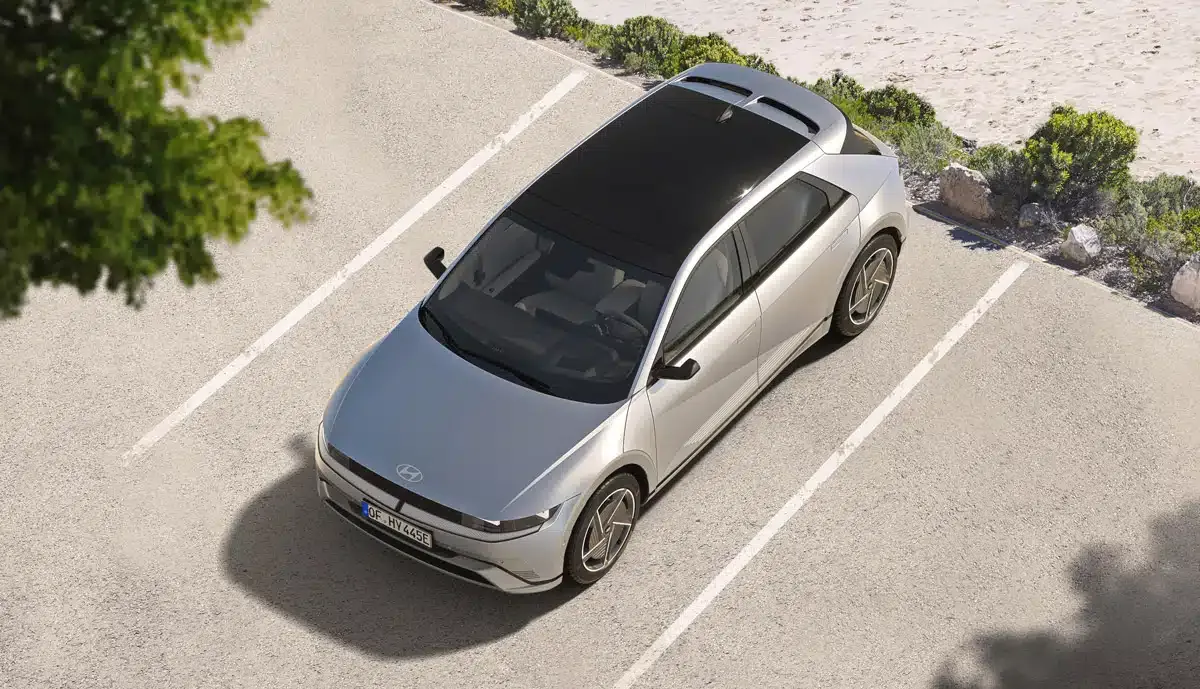
Image: Hyundai (illustrative)
Many electric vehicle owners have better experiences with their cars than initially expected. Nevertheless, some of them consider switching to a hybrid model or an electric vehicle with an extended range when buying a new car next time. This is shown by the latest HERE-SBD EV Index 2026 study, which surveyed electric vehicle owners in various countries.
Globally, 64 percent of respondents would likely buy an electric car again. Meanwhile, the proportion of those who would most likely choose a plug-in hybrid, hybrid, or a so-called range-extender electric vehicle with an internal combustion engine as a power generator for their next vehicle has risen from 23 percent to 28 percent. In Italy, this figure even reaches 39 percent.
There are significant differences among the countries studied regarding the intention to repurchase electric vehicles. In the UK, this figure is 87 percent, and in Germany it is 78 percent, while in Italy only 48 percent of respondents want to buy another pure battery-electric vehicle. Italy and Spain also show a relatively high interest in hybrid vehicles and a lower average charging capacity. However, no causal relationship between charging capacity and purchase intention was established.
Many electric vehicle owners rate their experiences so far more positively than initially expected. For instance, 68 percent of respondents said charging exceeded their expectations, while 67 percent said the same about range. In all markets surveyed, electric vehicle owners rated local public charging infrastructure more positively than people without electric vehicles.
“It’s noteworthy that while people are satisfied with their electric vehicles, they still feel the need for a gasoline-powered vehicle. This shows us that drivers have difficulties adapting to the lifestyle of electric mobility and that improvements are necessary,” says Robert Fisher from SBD Automotive.
Charging issues overshadow positive experiences
Despite the mostly positive experiences, there are difficulties with public charging. A total of 54 percent of the surveyed electric vehicle owners have already avoided driving due to concerns about a lack of charging facilities. Another 59 percent reported faulty public charging stations that prevented them from charging their vehicles. Among them, 65 percent replaced their only car with an electric vehicle, living in a household without any other cars.
The importance of charging infrastructure goes beyond the number of available charging stations. For longer trips, the availability and reliability of charging points, route planning, transparent pricing, and functional payment options play a role. The index identifies fast charging as the most important feature, while standardized connectors and automatic payment methods also hold high importance. Facilities nearby and secure parking options are also relevant during a charging stop.
When choosing the next vehicle, purchase cost, energy costs, maintenance costs, and operating costs also play a role. Households with an additional internal combustion engine can use it for certain trips, while an electric car must meet different requirements as the sole vehicle. Therefore, according to the study authors, the increased consideration of hybrid models does not indicate an actual change in vehicle choice nor necessarily dissatisfaction with the current electric car.
According to the study authors, there are areas that automakers should focus on together with their partners: range predictions and route planning that reflect the vehicle’s actual performance, reliable information on battery charge levels, clear pricing, and smooth payment processing. Fast charging remains the most important charging function. Standardized plugs and automatic payment processing also hold high importance. Infrastructure in the surrounding area and safe parking options are crucial during a stop, especially when charging takes longer than expected.
Have you found any errors? Please let us know
by email
about them. Thank you!
Also interesting
About the author
Thomas Langenbucher is an expert in electromobility with professional experience in the automotive industry and finance sector. Since 2011, he has been covering electric vehicles, sustainable technologies, and mobility solutions for ecomento.de. Learn more.
Reader interactions