
Ultimatum to Tesla by September 30: Faced with fines over Cybercab safety
19/09/2026 13:30
Updated to
19/09/2026 13:30
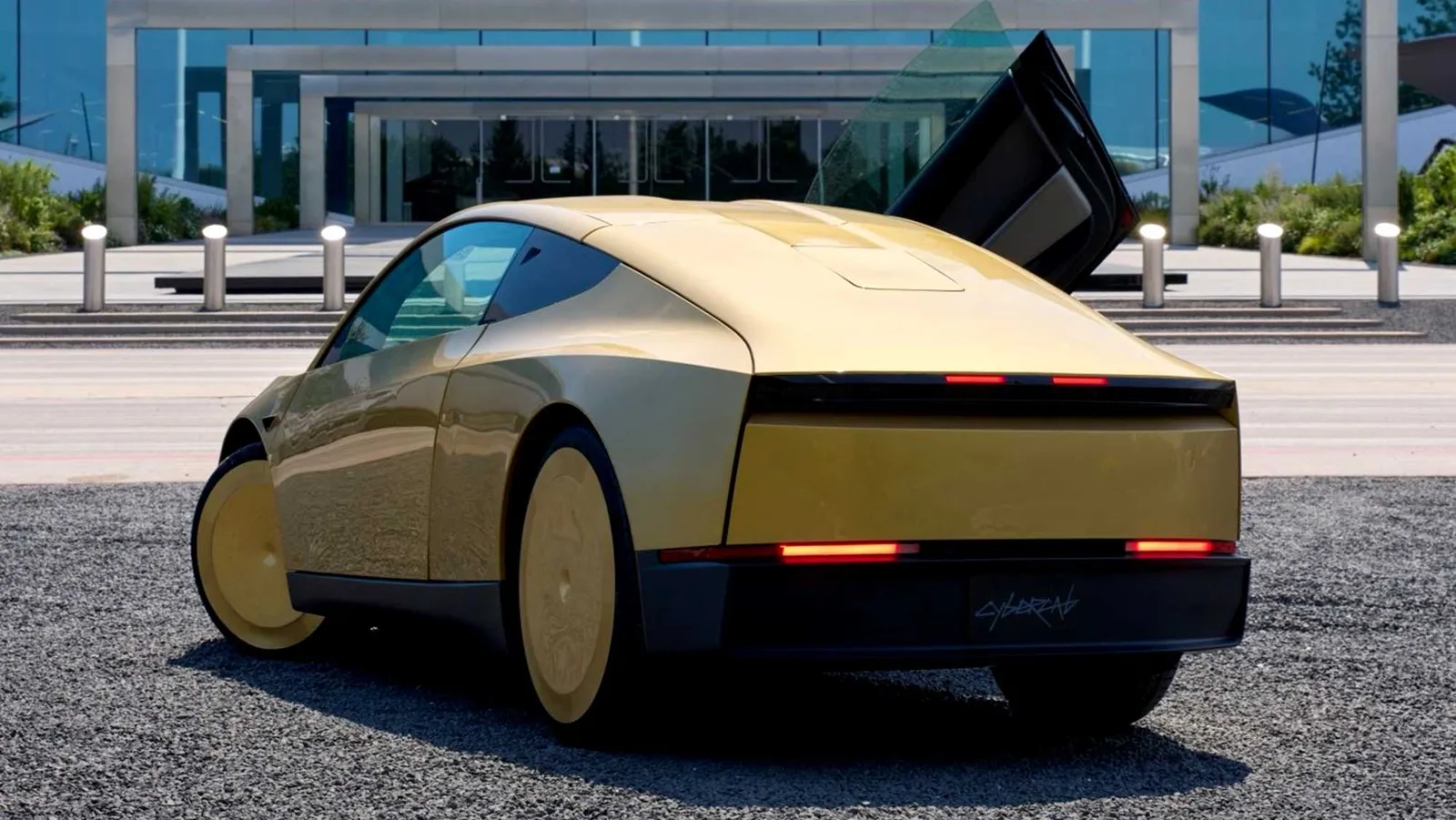
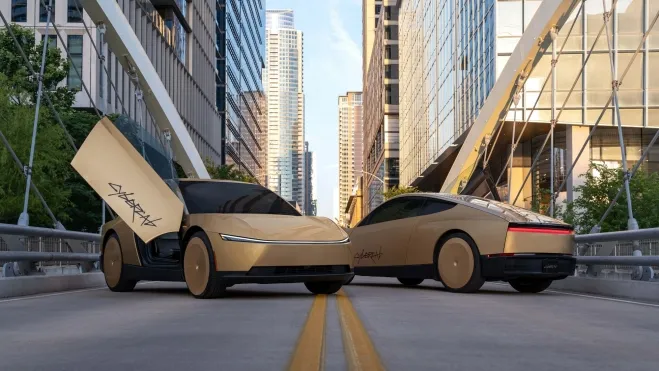
The arrival of the Tesla Cybercab on U.S. streets has encountered an unexpected obstacle. Just a few days after Tesla began offering commercial rides with this robotaxi in Austin, Texas, the U.S. National Highway Traffic Safety Administration (NHTSA) has demanded that the company explain how it certified the vehicle to meet federal safety standards.
The reason for the investigation is quite clear: the Cybercab is designed without a steering wheel, pedals, or conventional mirrors, yet Tesla claims it complies with federal standards.
A Unique Homologation Process
This issue is significant because, in the United States, manufacturers are responsible for certifying that their vehicles meet federal safety standards before selling them or bringing them to market. NHTSA does not grant individual homologation for each car in advance but rather monitors the process later and can investigate certifications when there are doubts about their compliance. In the case of the Cybercab, the agency opened file AQ26002 on September 3, coinciding with the vehicle’s commencement of commercial operations in Austin.
In a special order dated September 15, the NHTSA is now demanding detailed information from Tesla regarding the process used to certify the Cybercab, giving the company until the end of the same month to respond. The response must be submitted under oath and accompanied by a signed statement from an executive at the company confirming that thorough searches were conducted for the relevant documentation and that the answers provided are complete and accurate.
Among the questions raised, one is particularly significant: the agency wants to know whether the Cybercab can be driven by a person using temporarily installed controls. It also asks whether Tesla used those controls or other equipment intended for a human driver as part of the documentation used to demonstrate compliance with safety standards. The NHTSA further requests that the company explain what happens when those elements are removed from the vehicle and how this process aligns with U.S. legislation.
The regulator has also focused on several specific standards related to how the manufacturer determined which federal safety regulations apply to the Cybercab and which it considers not applicable due to its nature as a vehicle designed to operate without human intervention. The list includes requirements related to controls and indicators, gear selection, turn signals, rear vision systems, mirrors, and electronic stability control. One of the most sensitive issues concerns FMVSS 135, which sets requirements for braking systems and stipulates that the service brake must be activated via a foot control.
A regulation that does not cover 100% autonomous cars
That is precisely where one of the main challenges posed by the Cybercab arises, because U.S. federal regulations were largely designed for vehicles driven by humans, whereas Tesla’s model belongs to a different category: a car developed from the start to perform driving tasks autonomously. The Cybercab lacks permanently installed steering wheels, accelerator pedals, and brake pedals, as well as traditional outside mirrors. NHTSA now wants to determine whether Tesla has properly demonstrated that the regulations governing those elements do not apply to this vehicle.
In addition, this research comes at a time of transition for U.S. regulation of autonomous vehicles. NHTSA itself is working on revisions to federal standards to adapt them to cars that do not require certain features designed for a human driver. However, until those revisions take effect, the current regulations remain those that manufacturers must comply with.
For now, the investigation does not mean that NHTSA has determined the Cybercab is illegal or has a safety defect. What is under review is the process by which Tesla concluded that the vehicle complies with federal regulations. The company’s response by September 30 will provide more details on its interpretation of those requirements and the technical evidence it used to support it. If Tesla fails to respond fully or truthfully to the order, NHTSA’s regulations allow for civil penalties of up to $27,874 per day, with a maximum of $139,356,994 for a series of related violations.