
The EU wants to restrict hybrids from China. After electric vehicles, PHEVs are now in focus.
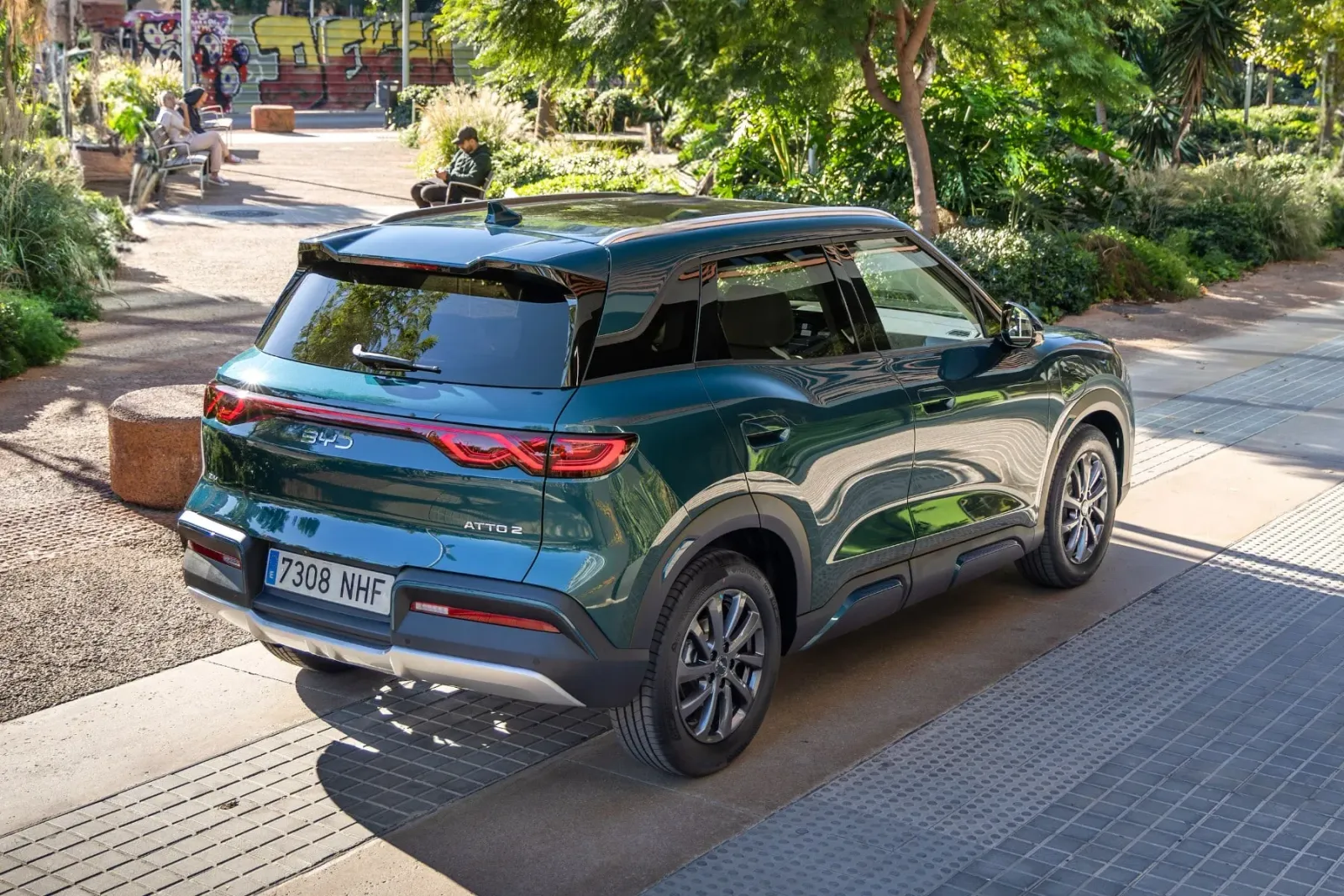
The European Union is pressing China to voluntarily restrict the export of hybrids to Europe, with higher tariffs as a fallback if no agreement is reached. The issue resurfaced on September 17, 2026, when the Financial Times reported on EU discussions ahead of October meetings in Beijing.
Table of Contents
Show
Hide
This is a pretty clear signal for the European market. After facing pressure on electric vehicles from China, Brussels observed that some manufacturers simply shifted to plug-in hybrids because the barriers there are much lower.
Where Does This Move by Brussels Come From?
Today, electric vehicles produced in China and sold in the EU are subject to additional anti-subsidy tariffs that took effect in October 2024. In addition to the base rate of 10%, there are additional fees depending on the manufacturer. For BYD, this totals 27%, for Geely it’s 28.8%, and for SAIC it’s as high as 45.3%.
Hybrids with such a load do not have this. They are subject to the regular 10% tariff. And it is here that a gap emerged, which Chinese brands took advantage of very effectively.
Imports of hybrids from China into the EU rose from 3,800 vehicles in October 2024 to 50,000 in July 2026. This represents a more than thirteenfold increase in less than two years. At the same time, the average prices of these vehicles dropped, putting even greater pressure on European manufacturers.
Brussels does not hide its goal. It is to protect jobs and the automotive industry in Europe. The talk of “managed trade” sounds firm, but it is hard to pretend this is merely a technical adjustment to tariffs. This is simply standard industrial policy.
It’s not about all Chinese cars, but about changing the entry channel
Due to tariffs on BEVs, sales of Chinese electric vehicles in Europe didn’t disappear but grew more slowly. In contrast, hybrid vehicles, especially PHEVs, saw a significant acceleration. This was predictable. When one opportunity closes, manufacturers open another.
Brands that already had a established presence or network in Europe, such as BYD and MG, were particularly active. From a business perspective, the logic was straightforward. PHEVs are subject to lower tariffs, and customers still get a vehicle with charging capabilities and long total range, which on paper appears “more European” than traditional gasoline cars.
There is only one “but.” Reports don’t always clearly distinguish between regular hybrids and plug-in hybrids. In practice, this is an important difference, as it is PHEVs that have become the natural workaround for tariffs on Chinese BEVs. So if the EU is preparing a new move, it will likely target this area.
What the Union Wants
According to sources within the EU, Brussels prefers an agreement first rather than formal new tariffs. This involves voluntarily limiting exports from China to around 15% of the EU market, even though such vehicles currently account for a significantly higher share.
This sounds like the old “voluntary export restraints” mechanism, known from historical trade relations with Japan. Voluntary in name, but effectively enforced through threats of stricter actions. Europe also hopes that such pressure will force Chinese companies to become more locally integrated, meaning investing in production, assembly in Europe, or forming partnerships with local manufacturers.
For Chinese brands, such an arrangement only makes sense to some extent. Export restrictions are painful, but uncertainty is even more distressing. If it’s possible to sell PHEVs with a 10% tariff today, but that rate rises significantly in a few months, planning product lines and prices becomes difficult.
If no deal is reached, tariffs are very likely
This year, the topic of potential anti-subsidy actions against Chinese hybrids has come up several times. At the beginning of 2026, the European Commission publicly distanced itself from such plans, but the tone shifted significantly by summer. Now, preparing the ground for new tariffs seems quite serious.
If tariffs are imposed, they likely won’t be uniform for everyone. The EU has already used a manufacturer-specific approach with electric vehicles, and there are strong indications it might do the same with hybrids. This means BYD would get one rate, Geely another, and SAIC yet another, depending on assessments of state support and cooperation during investigations.
This is important for customers as well as dealers. Differences of a few or a dozen percentage points can completely change a car’s price position. A model that seems like a bargain today might suddenly end up competing with better-known rivals from Europe, Korea, or Japan after new tariffs are applied. Not good.
A Broader Trade Dispute with China
Cars are just one front in this conflict. The EU has been trying for months to reduce its trade deficit with China, which Ursula von der Leyen estimates at around 1 billion euros per day. In June, Brussels demanded “concrete results” by October, with talks set to take place within the framework of EU-China trade and investment consultations.
The package includes not only cars but also other categories of goods, including chemicals. From the EU’s perspective, the tariff is higher than that for several BYD or MG models. The question is whether Europe still regulates trade or merely reacts to the consequences of its own openness.
At the same time, political pressure is rising within the EU itself. Germany and France, which do not always speak with one voice on automotive issues, are now said to be closer to agreeing on a common stance toward China. This increases the chances that the issue will not escalate into a major conflict.
Why this is also a problem for China
China’s automotive industry increasingly relies on foreign markets. In August 2026, China exported 1.01 million vehicles, a 65.3% increase from the previous year. Of these, NEV vehicles, or those powered by new energy sources in a broad sense, accounted for 526,000 units, representing about 52.1% of total exports.
Meanwhile, China’s domestic sales of NEVs dropped by 4.6% year-on-year. This is no small matter. If demand at home slows down, exports become even more valuable. And Europe, despite tariffs and political tensions, remains a lucrative market.
Beijing has already begun to regulate the overseas expansion of its own manufacturers. This includes avoiding aggressive price wars and showing more respect for local dealers. In short, China also sees that trying to enter every market at once is starting to incur political costs.
What this could mean for Europe and Poland
If the EU truly pressures Chinese hybrids, some brands will accelerate European production or assembly. Others will try to pass costs on to customers. Still others will limit their model lineup and keep only the strongest vehicles in the market.
For Polish drivers, the implication is simple. Chinese PHEVs may stop being a “cheaper workaround” for electric vehicle tariffs, so the price gap between them and models from Europe, Korea, or Japan could narrow. If anyone was hoping for an influx of very cheap plug-in cars from China by 2027, that scenario now seems less likely than it did a few months ago.
What’s more interesting, however, is something else. Will Brussels really close this loophole as well, or will it settle for threatening to force investments in Europe? And how will BYD, MG, and Geely respond then?