
The EU is targeting Chinese PHEVs. Brussels threatens new tariffs following a surge in imports
In short:
Sales of plug-in hybrids produced in China are growing at a rate that is beginning to concern Brussels.
The Union is demanding that Beijing voluntarily restrict exports.
If no agreement is reached, the conflict could end with higher tariffs on Chinese hybrid cars.
Monthly imports of such vehicles rose from about 3,800 units in October 2024 to 50,000 units in July 2026, according to the Financial Times.
Brussels is watching hybrid cars closely.
The European Union signals that it does not intend to sit idly by as Chinese automakers gain more dominance in the European market. After imposing additional tariffs on electric cars produced in China, Brussels is focusing on another segment that has seen rapid sales growth in recent months — plug-in hybrids.
As reported by the Financial Times, the European Commission has asked Beijing to voluntarily restrict exports of hybrid cars to the Union. According to data cited by the newspaper, monthly imports of such vehicles rose from around 3,800 units in October 2024 to 50,000 units in July 2026. That represents a more than thirteenfold increase in less than two years!
The stakes are high. European Commission President Ursula von der Leyen estimates the EU’s trade deficit with China at around one billion euros per day. In this context, the influx of Chinese cars is not only a matter of market competition but also part of a broader economic dispute.
As one EU official quoted by the media said, “If they don’t restrict exports to our market, we will do it ourselves. It’s about stopping deindustrialization. We must take action. This is a matter of trade management,” writes the newspaper “Brussels Signal.”
Key talks are set to take place in October during EU Trade Commissioner Maroš Šefčovič’s visit to Beijing. The Union expects “tangible results” from the negotiations by then.
The gap left by electric cars was quickly exploited
Recall that in the fall of 2024, the EU imposed additional anti-subsidy tariffs on electric cars produced in China. The total rate for BYD was around 27 percent, for Geely it was 28.8 percent, and for SAIC, the owner of the MG brand, it was 45.3 percent. A lower additional rate was applied to Tesla, which manufactures cars in Shanghai.
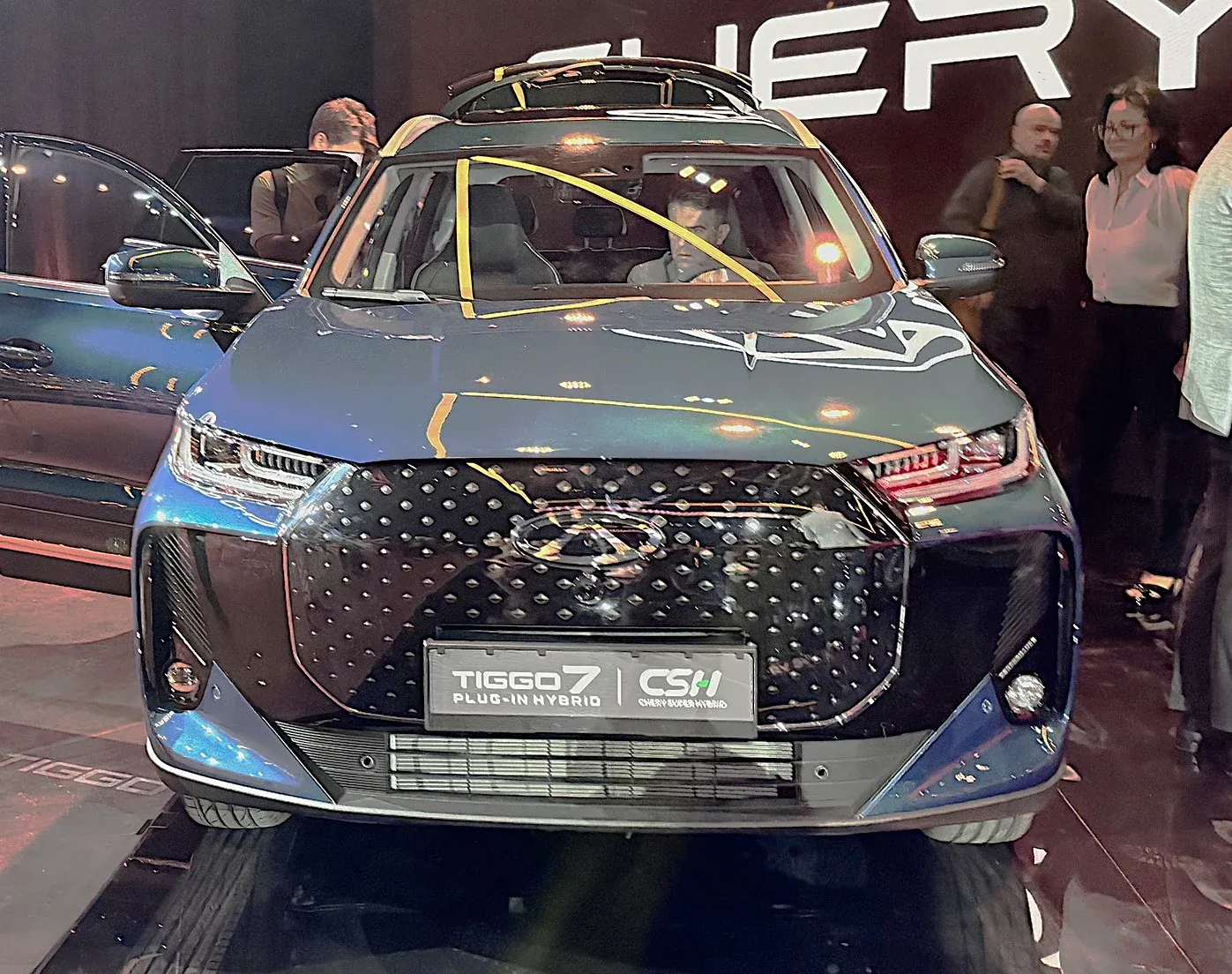
As we reported on Elektromobilni.pl, the investigation did not cover plug-in hybrids. These vehicles still fall under the standard 10 percent import tariff. The outcome was predictable. While imports of electric cars from China increased moderately, the growth momentum shifted to hybrids. According to Dataforce, Chinese brands accounted for 28.3 percent of Europe’s plug-in hybrid market in the first half of 2026. By June alone, their share rose to 34 percent. Leaders in this segment included the BYD Seal U, BYD Atto 2, and Jaecoo 7, all part of the Chery group.

Therefore, the value of imports of Chinese plug-in hybrid passenger cars rose from around 1.3 billion euros in the first half of 2025 to 3.4 billion euros a year later.
More voices calling for additional tariffs
In January, the European Commission publicly denied considering imposing additional tariffs on Chinese hybrids. However, by June, Germany’s “Handelsblatt” reported that the necessary measures were ready and could be implemented once approved by a majority of member states.
Volkswagen CEO Oliver Blume also joined those advocating for swift action, calling for tariffs to be introduced “without delay.”
The main argument of those supporting new restrictions is to protect Europe’s automotive industry. During this year’s State of the Union address, Von der Leyen said that trade relations with China have reached a “critical point” and that “a second Chinese shock has already arrived,” citing factory closures and job losses in Europe’s industry as evidence — writes Reuters. These remarks came at a time when Volkswagen announced further job cuts in Germany and the closure of some manufacturing plants.
Beijing responds: it’s protectionism
The Chinese Ministry of Commerce leaves no doubt about its position. Beijing views the proposal for voluntary export restrictions as contrary to the principles of the World Trade Organization. In a statement released on September 18, the ministry emphasized that “any solution between China and the European Union must balance the interests of both sides, comply with WTO rules and domestic laws, and fully take into account the interests of industries on both sides,” according to a Belgian newspaper.
If the talks fail, Brussels may resort to the same mechanism used for electric vehicles, that is, launching a formal anti-subsidy investigation and imposing individual tariffs on manufacturers. The problem is that such a move could trigger another round of retaliation from China. In response to tariffs on electric vehicles, Beijing has taken retaliatory actions against items such as European brandy, pork, and dairy products.
Chinese manufacturers are already preparing Plan B
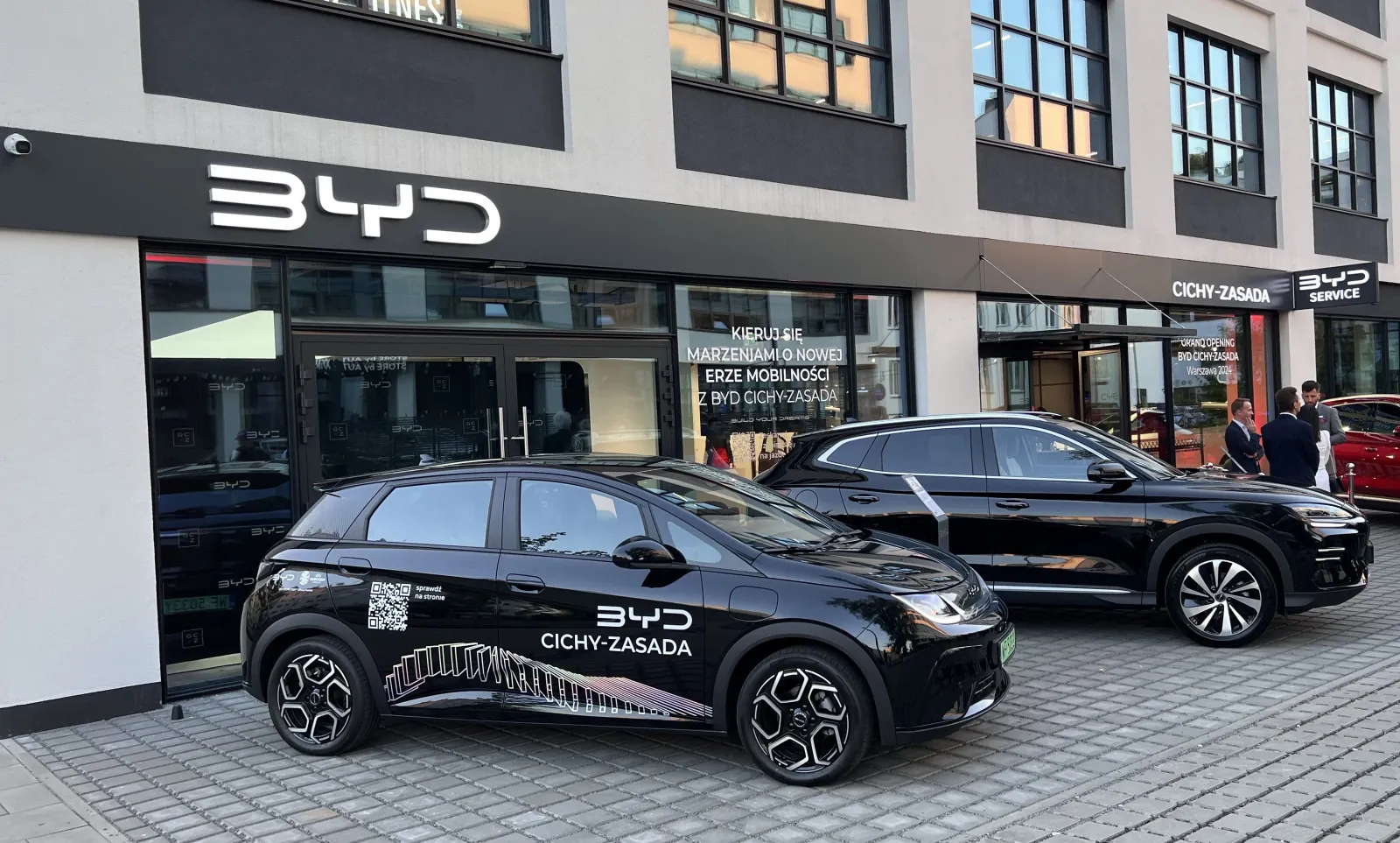
Regardless of the outcome of negotiations, Chinese manufacturers are increasingly locating production directly in Europe. This is not only a way to shorten supply chains but also to avoid import tariffs. BYD’s first European passenger car factory in Szeged, Hungary, is set to begin mass production in the fourth quarter of 2026. The facility will produce both electric vehicles and plug-in hybrids.
We recently reported that the company is evaluating locations for a second factory, with Spain and France among the most frequently mentioned candidates. Long-term plans even include establishing three assembly plants and a battery factory in Europe. Other manufacturers are pursuing similar strategies as well. Leapmotor is collaborating with Stellantis in Spain, Chery produces cars at the former Nissan factory in Barcelona, and Geely is discussing using Ford facilities in Valencia.
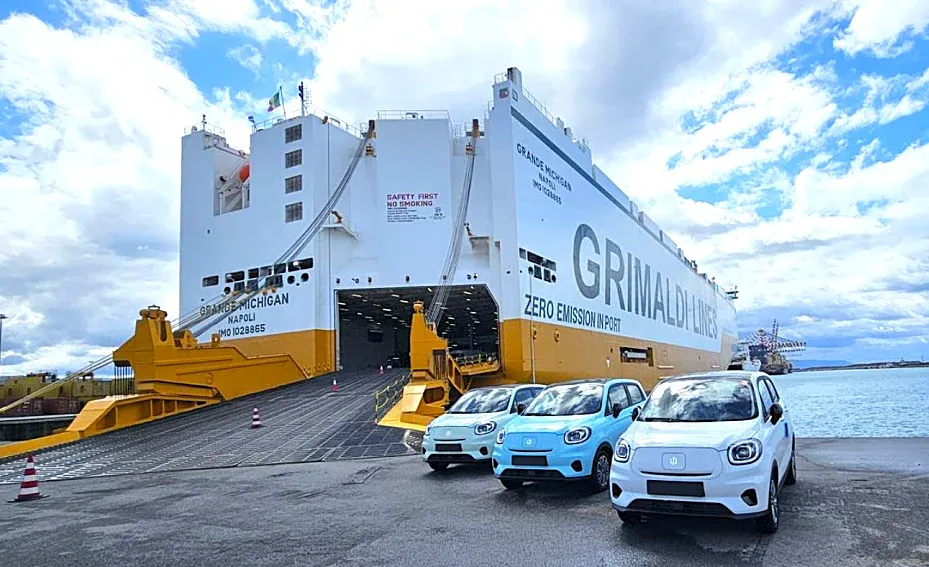
According to AlixPartners’ analysis, Chinese manufacturers plan to nearly triple their overseas production capacity to 3.4 million cars per year by 2030.
Who will pay for a new trade war?
The most contentious issue remains the impact of potential tariffs on consumers. Critics argue that additional duties will raise car prices and limit the availability of relatively inexpensive low-emission models.
Conner Allen, a former automotive industry representative in Brussels, told “Brussels Signal” that the Union has been making mistakes in its automotive policy for years. He believes hybrids are “affordable, practical, and allow for significant emission reductions without requiring complete changes to drivers’ habits.”
"They should be an obvious part of Europe’s decarbonization strategy. Yet Brussels, after pushing its own automotive industry into crisis through regulations and taxes, instinctively turns to more levies and tariffs because consumers are buying the wrong type of low-emission car," said Allen.
The debate over Chinese "diesel cars" has thus become a symbol of the broader dilemma facing Europe. On one hand, it wants to protect its own industry and jobs; on the other, it needs affordable vehicles to support climate transformation. In other words, answering the question of where the line lies between market protection and protectionism could determine the shape of Europe’s automotive industry in the next decade.
Oskar Włostowski