
Uber Wants Thousands Of Robotaxis By 2027. Waymo Is Already There
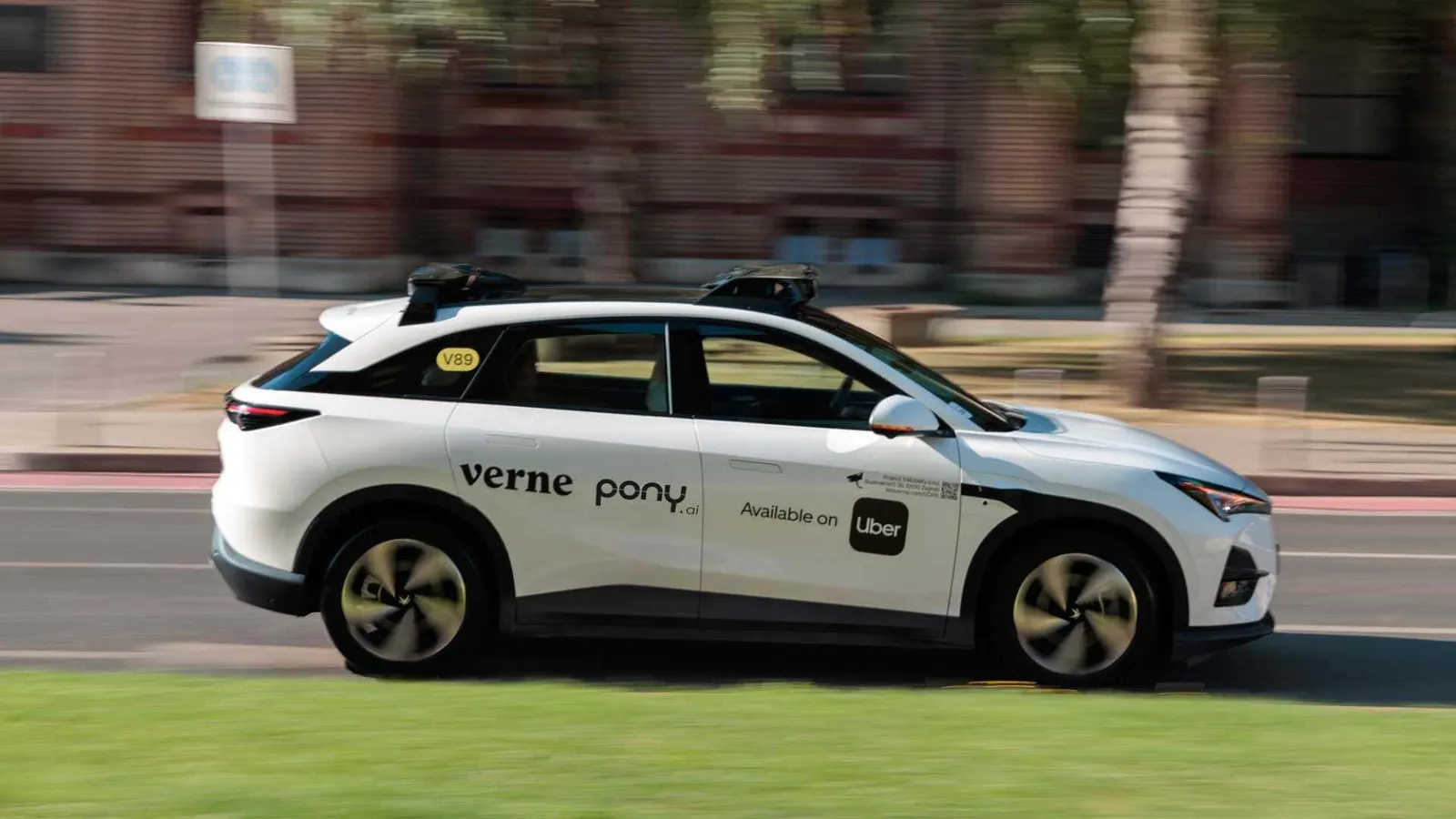
Uber has racked up a ton of autonomous vehicle partnerships, attempting to position itself as the key platform for driverless rides. And the company has no plans to slow down. On Tuesday, Uber said it wants to spend $10 billion to get 2,000 robotaxis into its global fleet by the end of 2027.
"Our autonomous strategy is entering an important new phase as more of our partners move from development and testing into driverless commercial service," CEO Dara Khosrowshahi said in written remarks shared alongside the company's third-quarter earnings.
Around half of those 2,000 robotaxis will be for the United States market, Uber said. The other half will be split up between Europe, Asia, and the Middle East. Uber says the self-driving fleet at that point will span 20 cities and include partnerships with May Mobility, Momenta, Zoox, Motional, and others. By the end of this year, Uber plans to have 700 robotaxis on its platform.
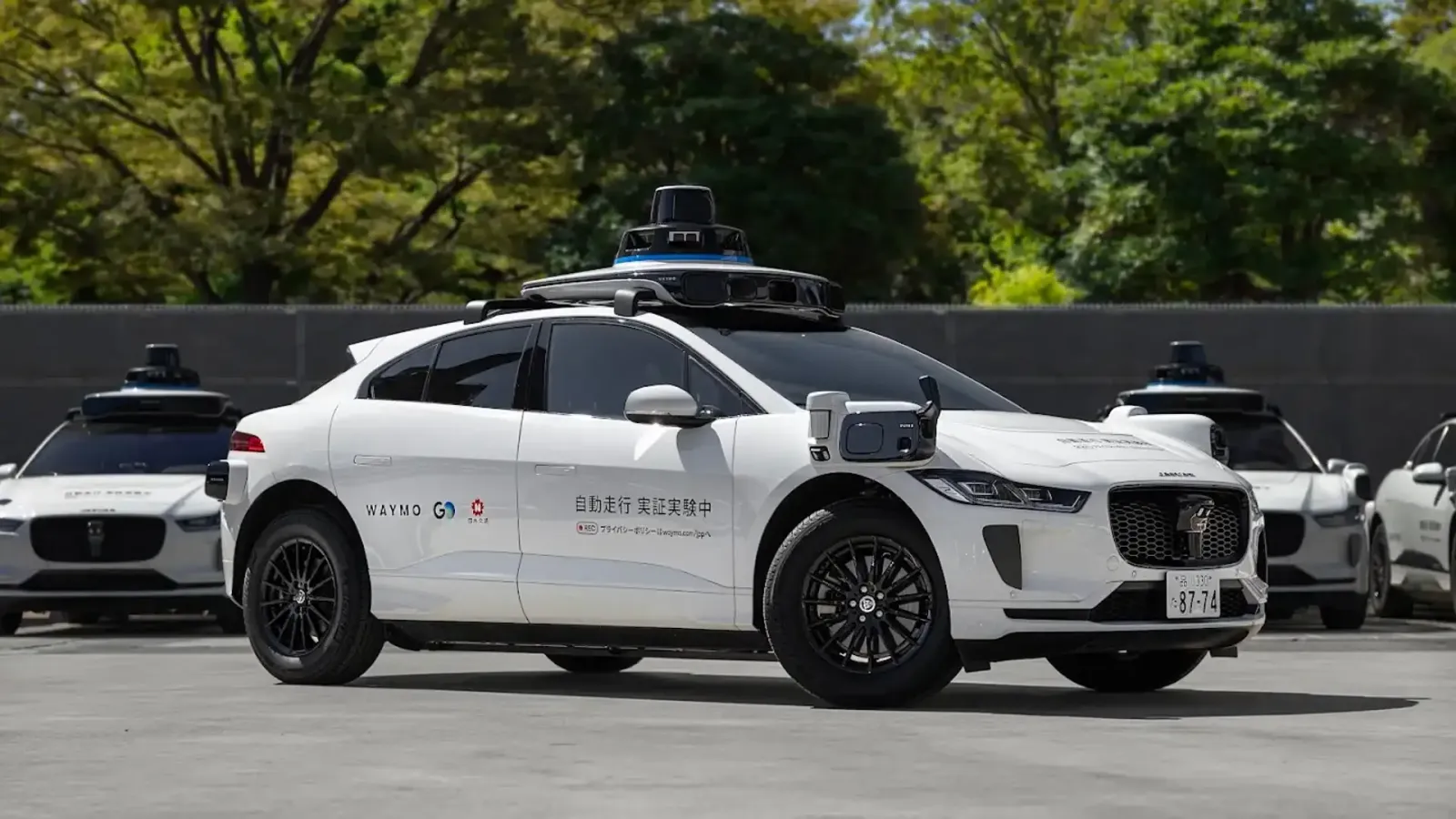
Photo by: Waymo
Here's the kicker, though: Even if Uber hits its goal by 2027, it will still be far behind Waymo, which is both a major competitor and, for now, a partner. Waymo, the most prominent robotaxi company in the world, already has a fleet of around 4,000 cars currently on the road, and it currently operates in 15 different U.S. cities.
Waymo aims to double its robotaxi count to 8,000 by the end of the year and hit 20,000 vehicles by the close of 2027, Semafor reported recently. So Uber would still be playing catch-up, big time.
What do you think?
And while users in cities like Atlanta have to use the Uber app to call a Waymo robotaxi, that's changing. Waymo co-CEO Tekedra Mawakana told Bloomberg on Wednesday that the company plans to end its exclusivity deal with Uber in Austin and Atlanta in January of 2028. It was “a little bit of a crapshoot,” she said, since Uber customers never knew if they were getting a robotaxi or a human driver.
Uber said its partners have committed to bringing 120,000 robotaxis onto its platform in the coming years, but hasn't put a timeframe on such a lofty goal. It says it's going to fund this fleet of robotaxis with its own earnings, but that it might have to “bring in third-party capital," once its self-driving fleet expands beyond 10,000 cars. Uber claims its gross bookings were up 20%, year-over-year, to the tune of $59.8 billion, so it's got a big book of business to fund its future projects. But with it splitting from Waymo, it's never been more important for the company to get its other partnership projects off the ground and expand them quickly.
Here be some related stories