
Turkey is accelerating. In three years, electric mobility has evolved from a niche market to a mass market.

In short:
Just a few years ago, Turkey was the electric vehicle “Cinderella”
Today, EVs account for over one-fifth of all new registrations in this country
What caused this leap? A very strong position for the local manufacturer, Togg, and an influx of cheap Chinese cars
Plus fiscal changes introduced by the government in 2023
Turkey and a dramatic change
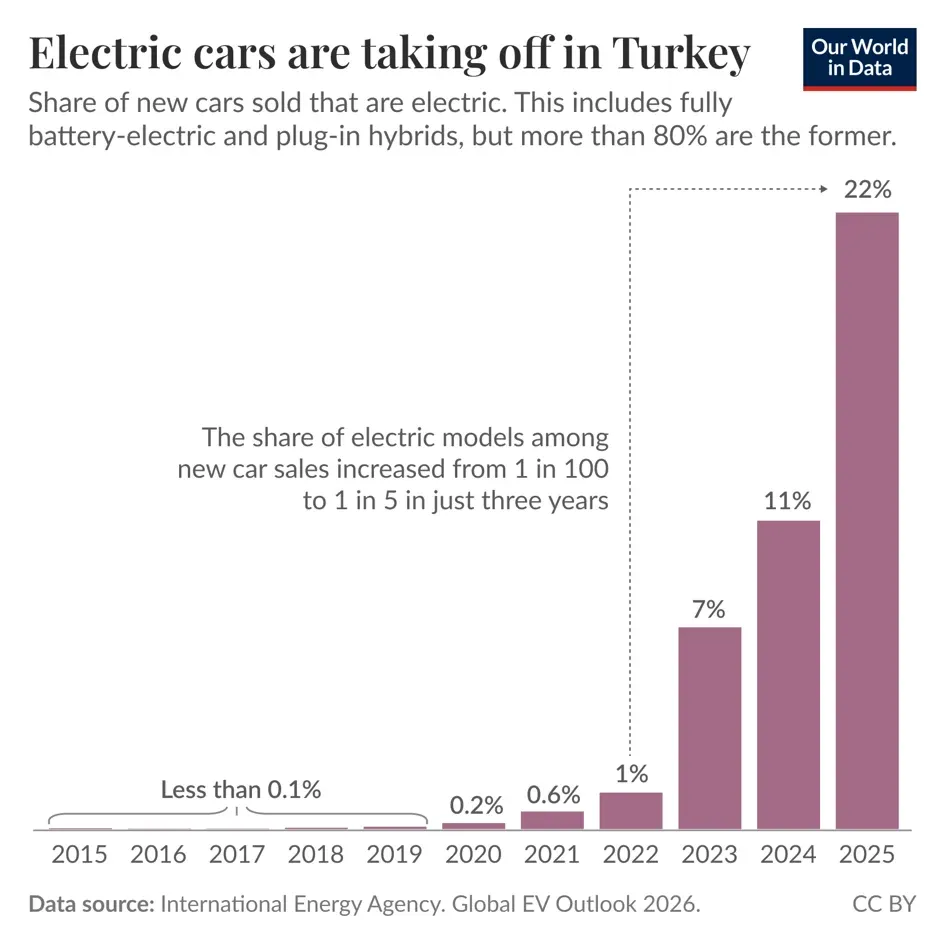
If someone was selling cars in Turkey back in 2022, a transaction involving an electric vehicle was more of an exception than the norm. As Our World in Data notes, only one in a hundred new cars sold in the country at that time was an electric vehicle. Three years later, the situation is completely different. In 2025, over one in five new cars purchased in Turkey had electric powertrains, meaning a more than twenty-fold increase in the market share of this segment in a very short period of time.
The authors of the analysis from Our World in Data describe this change as a “sharp surge” in the market. “By 2025, it had become a completely normal phenomenon. More than one in five new cars were electric,” reads the report prepared by Hannah Ritchie, based on data from the International Energy Agency (IEA).
Where did this change come from?
The success of electromobility across the Bosphorus is driven by several factors working together. Fiscal changes introduced by the government in 2023 were crucial. The state reduced registration taxes for electric vehicles compared to gasoline and diesel models, enhancing their price competitiveness. This timing was no coincidence. The reforms coincided with the market debut of Turkey’s first electric vehicle manufacturer, the brand Togg.
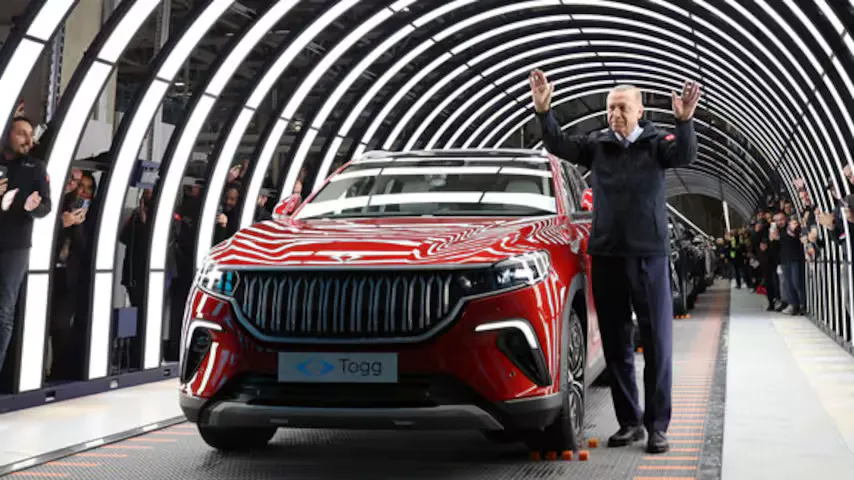
According to Our World in Data, Togg quickly became the leader in the local market. At the same time, its offerings were expanded with imported models, including cheaper cars produced in China. As the report’s authors emphasize, “it is this combination of factors that has made electric cars much more affordable than just a few years ago.”
International data
Turkey’s example fits well within the global trend. According to data presented by Our World in Data based on the International Energy Agency’s “Global EV Outlook 2026” report, by 2025 one in four newly sold cars worldwide was an electric vehicle. The comparison included both battery electric vehicles (BEV) and plug-in hybrids (PHEV).
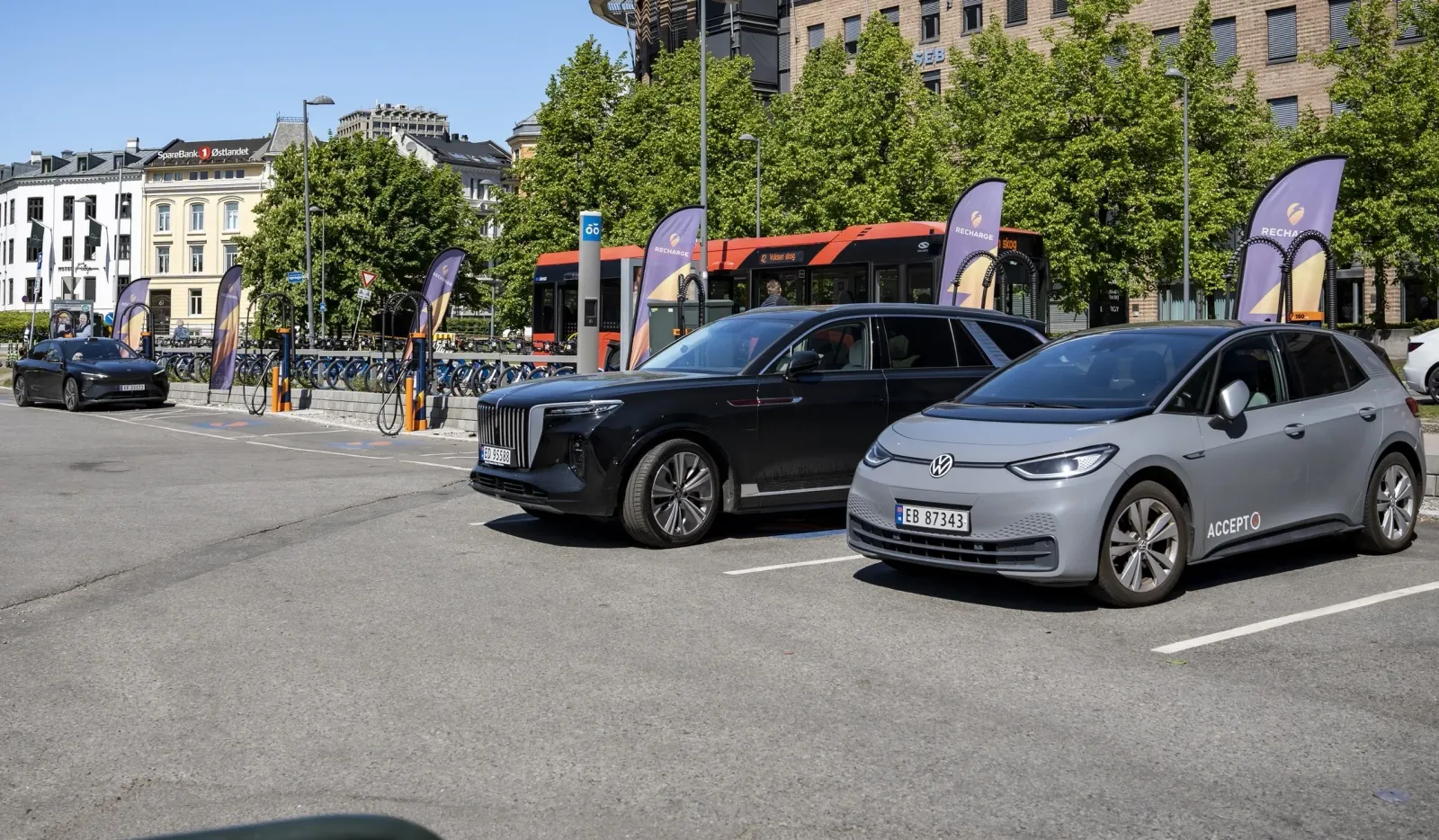
Recall that Norway remains the leader, with electric cars accounting for 97 percent of new registrations there. In China, their share was 53 percent, in the United Kingdom it was 35 percent, and in Germany it was 30 percent. The average for the European Union reached 27 percent. For comparison, in the United States it was 10 percent, and in India it was 4 percent. This means that Turkey, which was on the periphery of the electric revolution just a few years ago, has begun to close the gap with more developed markets in terms of growth rate.
Repaying the carbon debt
The growing popularity of electric cars is significant not only for the automotive industry but also for climate policy. As Our World in Data notes, electric vehicles generally have a lower carbon footprint over their entire lifetime compared to cars with gasoline or diesel engines. Although production, especially of traction batteries, results in higher emissions at the start of use, the so-called “carbon debt” is gradually repaid over the vehicle’s lifetime.
Oskar Włostowski