
TUM study on electric cars' climate impact sparks criticism
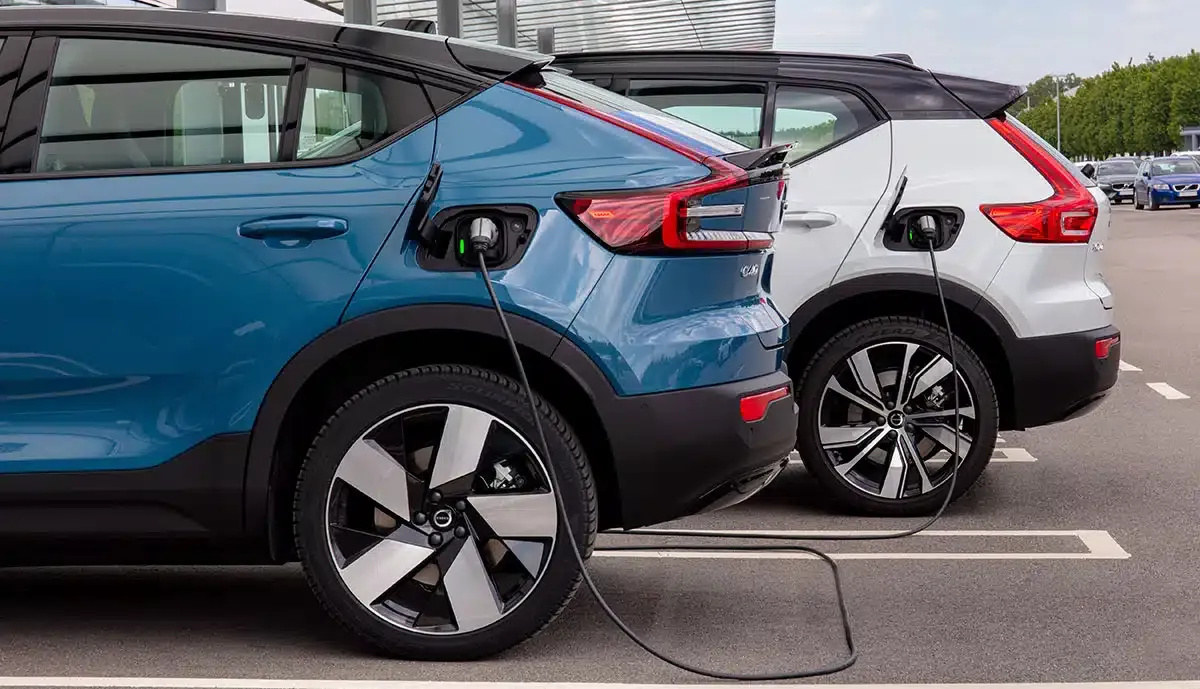
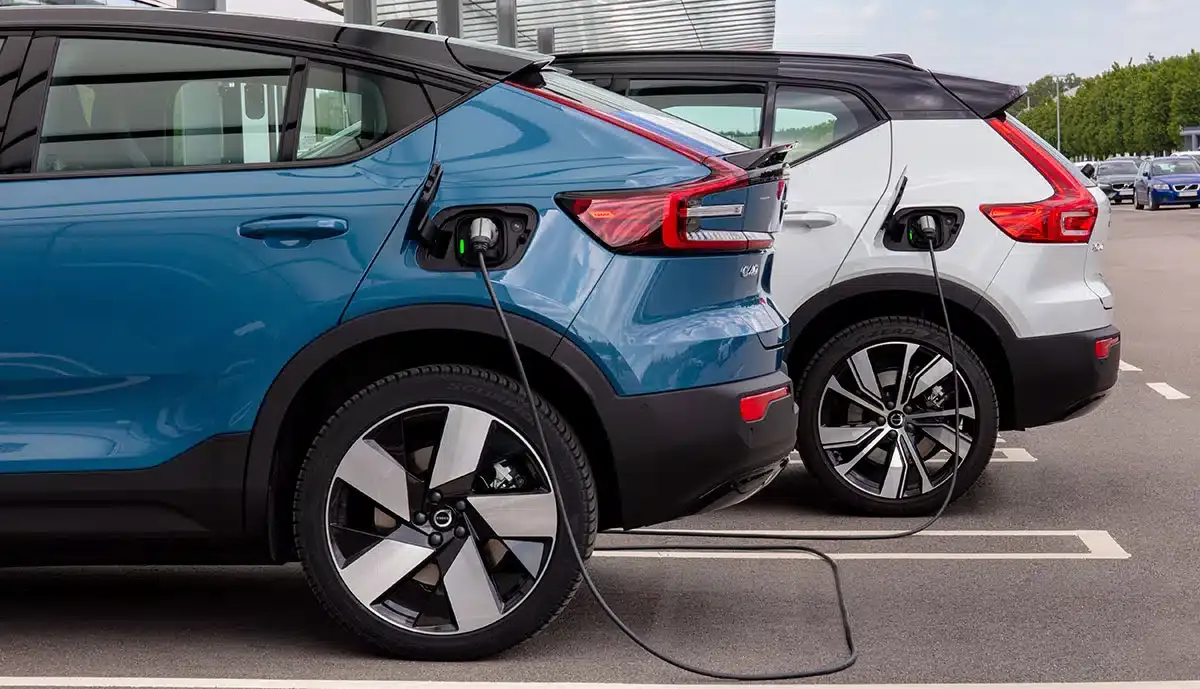
Image: Volvo (illustrative)
Three scientists from the Technical University of Munich (TUM) have published an analysis on the climate impact of different propulsion types. The study is based on evaluations of research from the past six years and considers the entire life cycle of vehicles, including manufacturing, use, and recycling. Some people criticize the scientists' conclusions.
The study authors conclude that electric vehicles emit, on average, “only” 41 percent less CO2 compared to internal combustion engines. Thus, electric cars are not “climate neutral” as some claim — there is currently a “substantial misguidance” in the EU, they argue. In fact, the complex battery production initially creates what is known as a climate burden. Over their entire lifespan, however, electric drives are clearly advantageous, as their advantage during operation is likely to grow steadily due to a greener electricity mix and more environmentally friendly battery production.
Nevertheless, the study criticizes current EU regulations on emission reduction. Since these currently focus primarily on exhaust emissions, vehicles with no CO2 output would be classified as climate-neutral. The TUM scientists call for including factors such as raw material production and recycling to create incentives for decarbonization processes, such as through the use of green steel.
The study sparked political debates even before its full publication. Bavaria’s Prime Minister Markus Söder used the research as an argument for abolishing the EU’s internal combustion engine ban. Co-author Johannes Fottner from TUM clarified to the Süddeutsche Zeitung that “contrary to discussions in recent days, the claim that we wrote anything against electric drives is unfounded.” The professor of propulsion technology, material flow, and logistics emphasized that the authors did not call for abandoning internal combustion engines. They were fully aware that electric drives have much better energy efficiency than internal combustion engines.
“Old wine in not particularly attractive bottles.”
Criticism has emerged from within the industry regarding this study. Markus Lienkamp, professor of vehicle technology at TUM, described the research as “old wine in not particularly attractive bottles.” He believes that a more detailed or even mandatory life cycle analysis would only involve bureaucratic effort without adding any new value or changing the outcome: “The electric car is the only long-term solution for reducing CO₂ emissions.”
Julius Jöhrens, head of propulsion technologies at the Heidelberg Institute for Energy and Environmental Research, criticizes the fact that “completely wrong conclusions” are drawn from accurate data. Georg Bieker of the International Council on Clean Transportation (ICCT) expressed concerns to the Süddeutsche Zeitung regarding data availability and the risk of double-counting savings. He also warned about the bureaucratic effort required to verify manufacturers’ calculations.
The authors of the TUM study emphasized, at the request of Süddeutsche Zeitung, that their aim was merely to provide a basis for discussion in the ongoing EU debates over emissions targets for 2035. Policymakers are currently discussing whether and how to soften these emissions targets, partly in response to demands from European automakers who remain heavily dependent on internal combustion engine vehicles.
Also interesting
About the author
Thomas Langenbucher is an expert in electric mobility with experience in the automotive and financial industries. Since 2011, he has been covering electric cars, sustainable technologies, and mobility solutions for ecomento.de. Learn more.
Reader interactions