
A TUM study identifies “substantial mismanagement” of EU regulations in the automotive sector
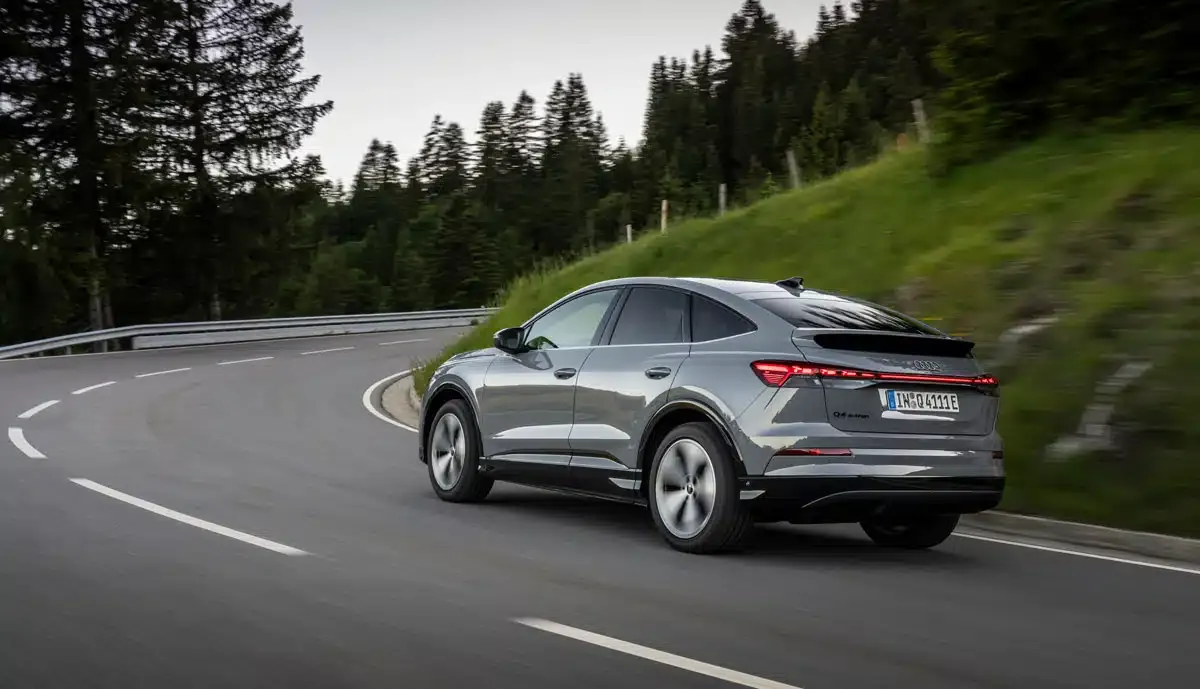
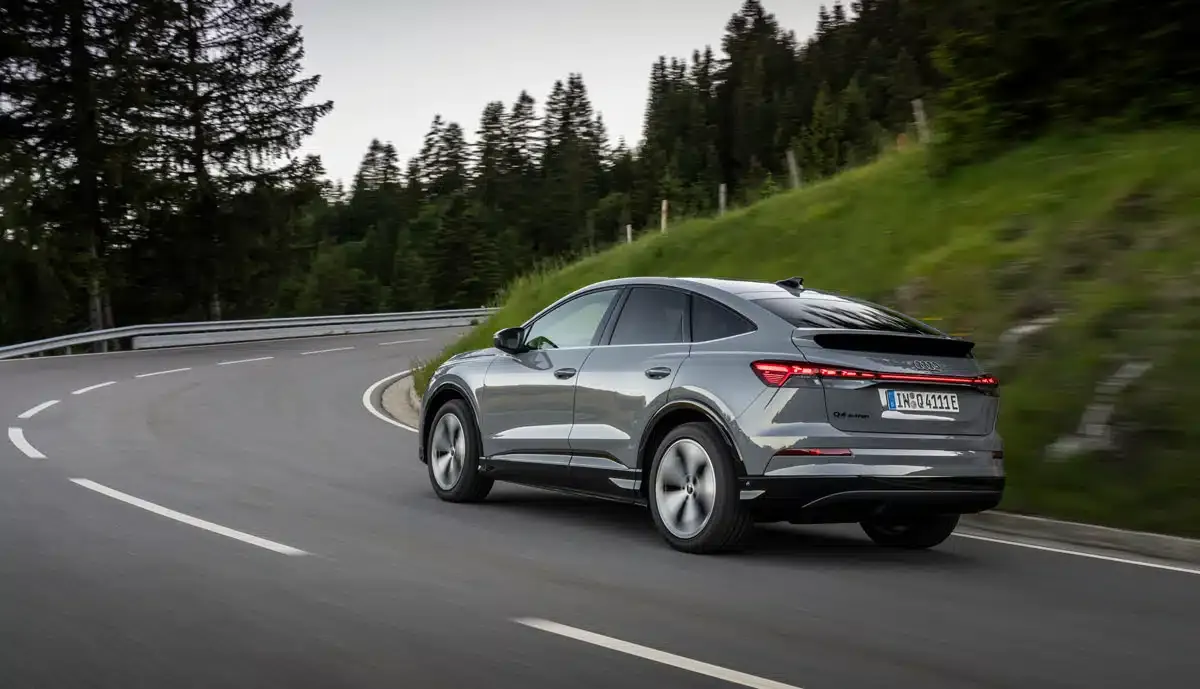
Image: Audi (illustrative)
The interdisciplinary research group at the Technical University of Munich (TUM), CirculaTUM, has been conducting research on decarbonization in the automotive industry since the beginning of the year. According to a statement, the results of what is currently the most comprehensive analysis in this field show “substantial flaws” in EU climate policy regulations.
The white paper aims to demonstrate, based on 19 studies with 47 modeled scenarios, the misdirection of the EU’s climate policy in the automotive sector from both economic and ecological perspectives. Against the backdrop of political decisions regarding the future of Europe’s automotive industry due to be made this fall, TUM President Thomas F. Hofmann commissioned the study (PDF/ENG) at the beginning of the year.
"Under the leadership of the three professors Johannes Fottner, Magnus Fröhling, and Tim Büthe, the most comprehensive study to date on the climate footprint of automobiles over their entire life cycle—from production and operation to disposal—was created," it says. "The study exposes the fundamental flaw in the EU’s CO₂ regulation, which measures a car’s climate impact at just one point: the exhaust pipe." The researchers from TUM propose instead a life cycle-based standard that accounts for every verifiable contribution to reducing fossil fuel emissions.
According to the study authors, the analyses show that battery electric vehicles reduce lifetime emissions by an average of 41 percent (in about 92 percent of cases). The range of deviations from the CO₂ emissions of internal combustion engine vehicles varies from a reduction of 89 percent to even an increase of 21 percent. Moreover, the emission measurement based solely on exhaust emissions ignores climate impacts from other sources beyond the propulsion system.
An investor in a manufacturer of nearly carbon-free steel, a supplier decarbonizing battery production, or a recycling company keeping critical raw materials in circulation—none of these improve the EU’s current regulation by even one gram. “Regulations that fail to capture relevant contributions to decarbonization cannot reward them either. And what isn’t rewarded won’t be funded on a large scale by the industry,” say the analysts.
"The biggest economic and ecological mismanagement is that the EU Commission’s regulations focus solely on CO₂ emissions from exhaust gases," says Johannes Fottner. "Under this logic, vehicles powered entirely by batteries are considered climate-neutral. The various efforts made by the industry to achieve climate goals through initiatives like green steel or circular economy models are not recognized in this approach." Europe can no longer afford to ignore this reality of emissions.
"The EU will fail to meet its own goals without reform."
According to a studied study (Tang et al., 2023), the passenger car sector would only achieve around 80 million tons of CO₂ reduction at the pace pursued by the EU for electric mobility by 2030. However, approximately 188 million tons would be needed to meet the self-set goals.
The reform of Regulation (EU) 2019/631 is part of the “Automotive Package” proposed by the European Commission in December 2025. The vote in the plenary of the European Parliament is currently scheduled for November 23, 2026. However, according to a study, the current Automotive Package’s credits for steel and fuels cover at most 10 percent of a manufacturer’s required CO₂ reduction, failing to address the actual gap. Therefore, the CirculaTUM study considers an additional life-cycle-based standard to be necessary.
“Stop relying solely on exhaust emission measurements”
"We are currently witnessing a significant misalignment in the European Union’s climate strategy. If it takes its own goals seriously, it can no longer rely solely on exhaust emission measurements," says TUM President Thomas F. Hofmann. "I urge the Parliament and Council to use the ongoing revision of the Automotive Package to introduce mandatory, verified life cycle reporting. Time is of the essence, and scientific findings must be incorporated into the reform debate."
From a logistics perspective, according to Johannes Fottner from the Chair of Conveying Technology, Material Flow, and Logistics at TUM, the starting situation is better than current regulations suggest: “There are already real advancements today in establishing transparent supply chains for green steel and in recovering materials at the end of a vehicle’s lifespan, advancements that current regulations simply do not account for. Regulations that fail to recognize this provide no incentive for the industry to leverage this potential, even though it is already fully prepared to do so.”
Magnus Fröhling from TUM’s Chair for Circular Economy and Sustainability Assessment emphasizes that life cycle analysis is not new territory in terms of regulation. “European precedents already exist through the Eco-Design Directive and the CO₂ border adjustment mechanism. What’s crucial is that a new standard is built on a performance-based accounting system that treats every ton of fossil carbon actually saved equally—regardless of where in the life cycle it is saved—and that it is also practically feasible. Steel already provides the most reliable data foundation for this purpose, making it the right starting point.”
Tim Büthe from the Chair of International Relations at the Munich School of Politics at TUM sees opportunities for a political settlement. “The dispute between factions in the European Parliament essentially isn’t about whether a vehicle’s life cycle should be regulated, but rather how binding such regulation should be. This distinction often gets lost in political intensification, yet it is crucial for determining whether a pragmatic solution can still be found in the coming months.”
Also interesting
About the author
Thomas Langenbucher is an expert in electromobility with experience in the automotive industry and finance sector. Since 2011, he has been covering electric vehicles, sustainable technologies, and mobility solutions for ecomento.de. Learn more.
Reader interactions