
Trump puts American cars back on the path to oil
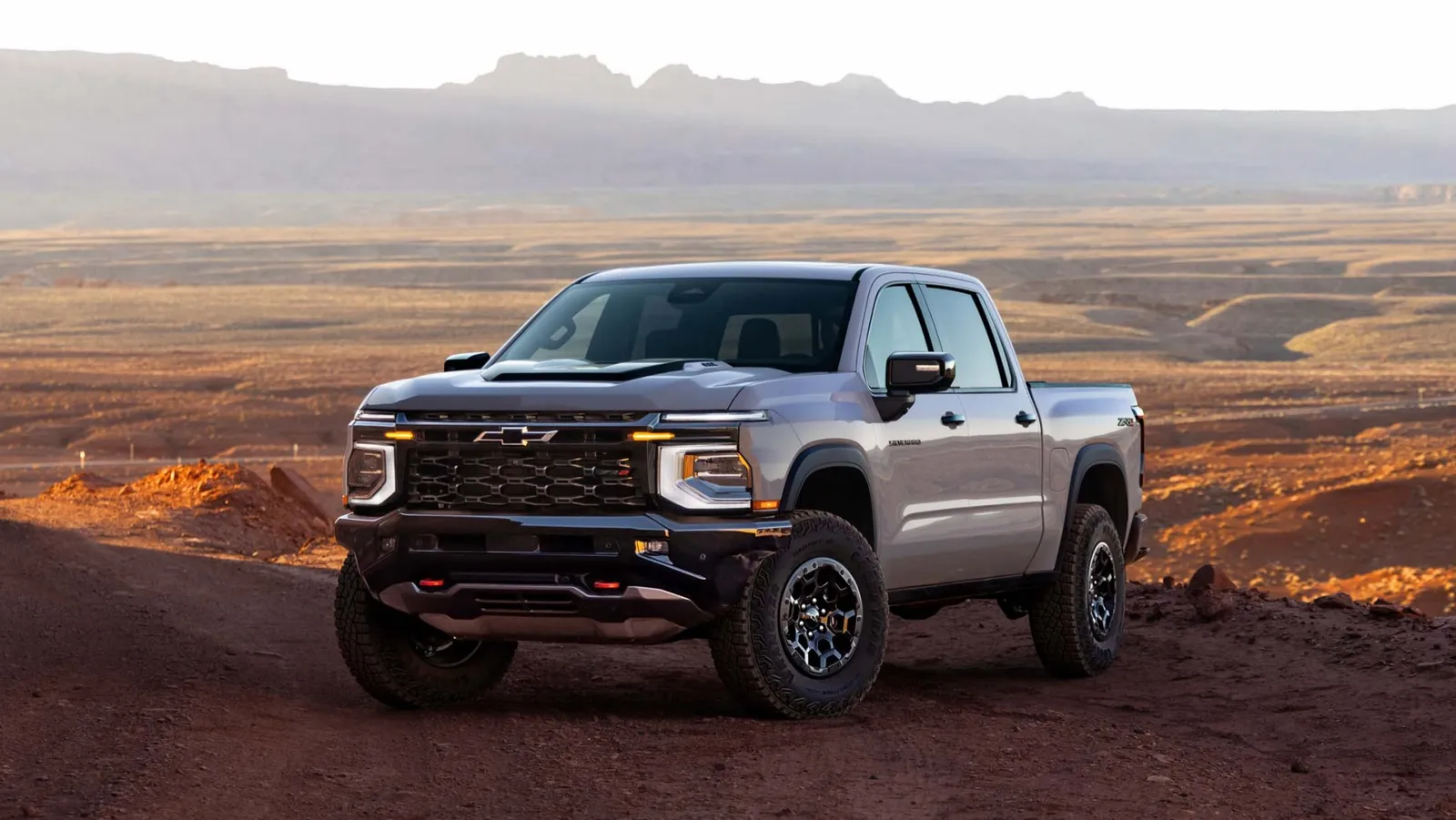
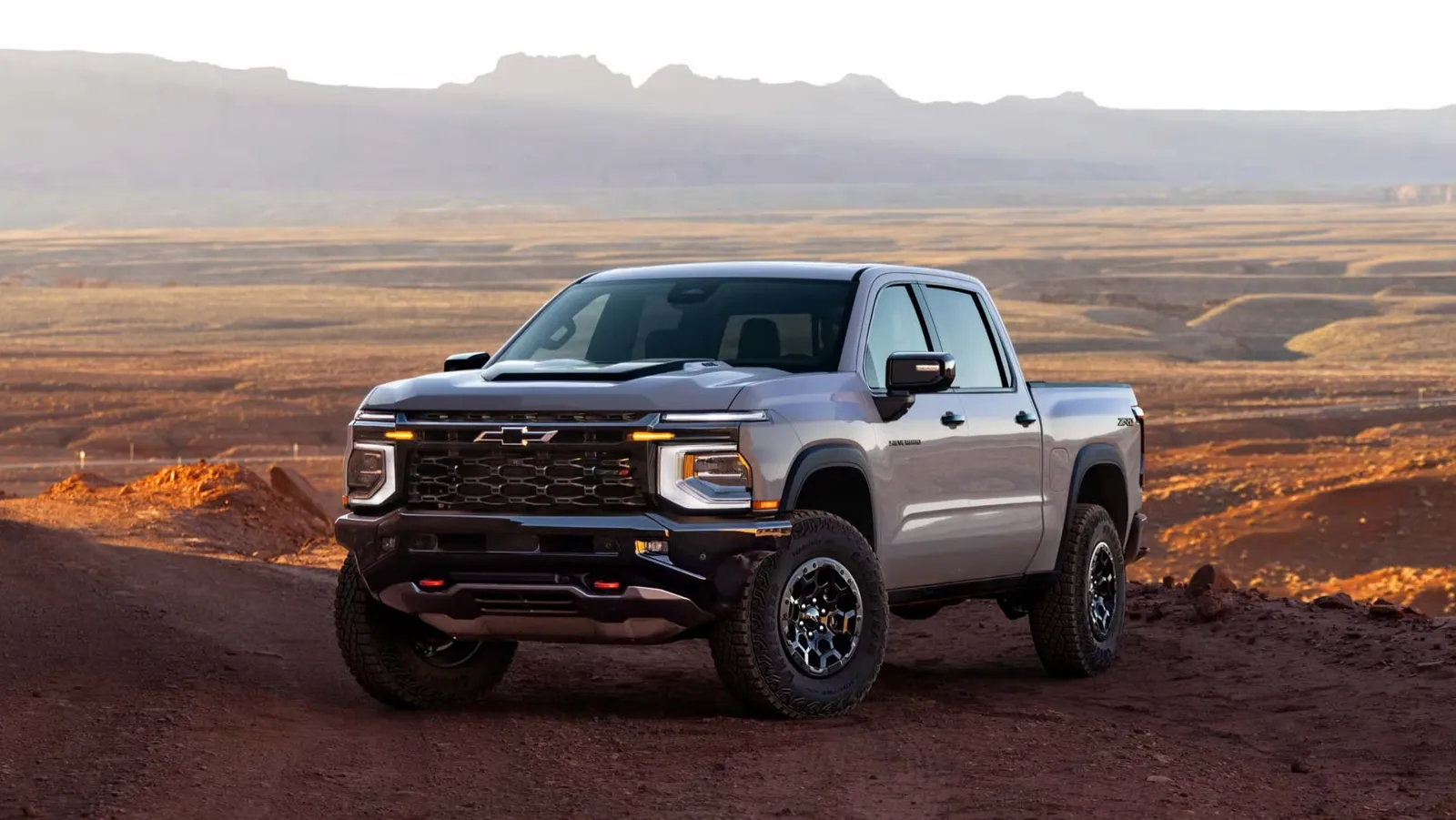
This represents a true step backward for the U.S. automotive industry. Not only is the shift to electric vehicles no longer a priority, but the president has also signed new fuel efficiency standards that are more lenient than ever before.
Trump refuses to hear anything about electric vehicles (except for a brief advertisement for Tesla at the White House with Elon Musk). After ending subsidies for purchasing electric vehicles and attacking charging station deployment programs, this is another step backward.
Also read
Trump’s administration demands Ford distance itself from Chinese companies
A new standard is set to take effect starting in December. After that date, the average fuel consumption will be reduced to 34.5 mpg (6.8 l/100 km), with no further targets planned for the coming years. Recall that the Biden administration had established a standard requiring an 8% reduction over two years in 2024 and 2025, followed by a 10% reduction in 2026, and then 2% reductions each year from 2027 to 2031, aiming for an average of 50.4 mpg by 2031, which is equivalent to 4.67 l/100 km.
A benefit for consumers?
For Trump, this new law is presented as a triumph. It is supposed to save billions of dollars for automakers and consumers. This relaxation is intended to reduce automakers’ investments in electrification technologies and should theoretically lower vehicle costs. According to some analysts, GM alone could save nearly 20 billion dollars between 2026 and 2031.
The government estimates that this measure will add $900 to the price of each new vehicle. But since automakers are also focused on increasing their profits, they will not pass on all of the cost reductions to the final price. As a result, consumers will see their fuel expenses rise even further...
The new measure also ends credit exchanges under CAFE between automakers. Tesla is likely to be the most affected by this.
What future awaits U.S. automakers internationally?
This measure also poses a risk to the U.S. automotive industry. Already weakened internationally, GM, Ford, and Stellantis are discouraged from investing heavily in technologies that are rapidly developing in other countries around the world. Otherwise, they will need to develop different vehicle lines for various markets. This trend is already evident in recent announcements from these automakers: they are increasingly relying on partnerships, often with Chinese companies, to maintain their presence abroad...