
Trump could open the door to Chinese electric cars, though he will impose a single (and difficult) condition on them
16/09/2026 13:00
Updated to
16/09/2026 13:00
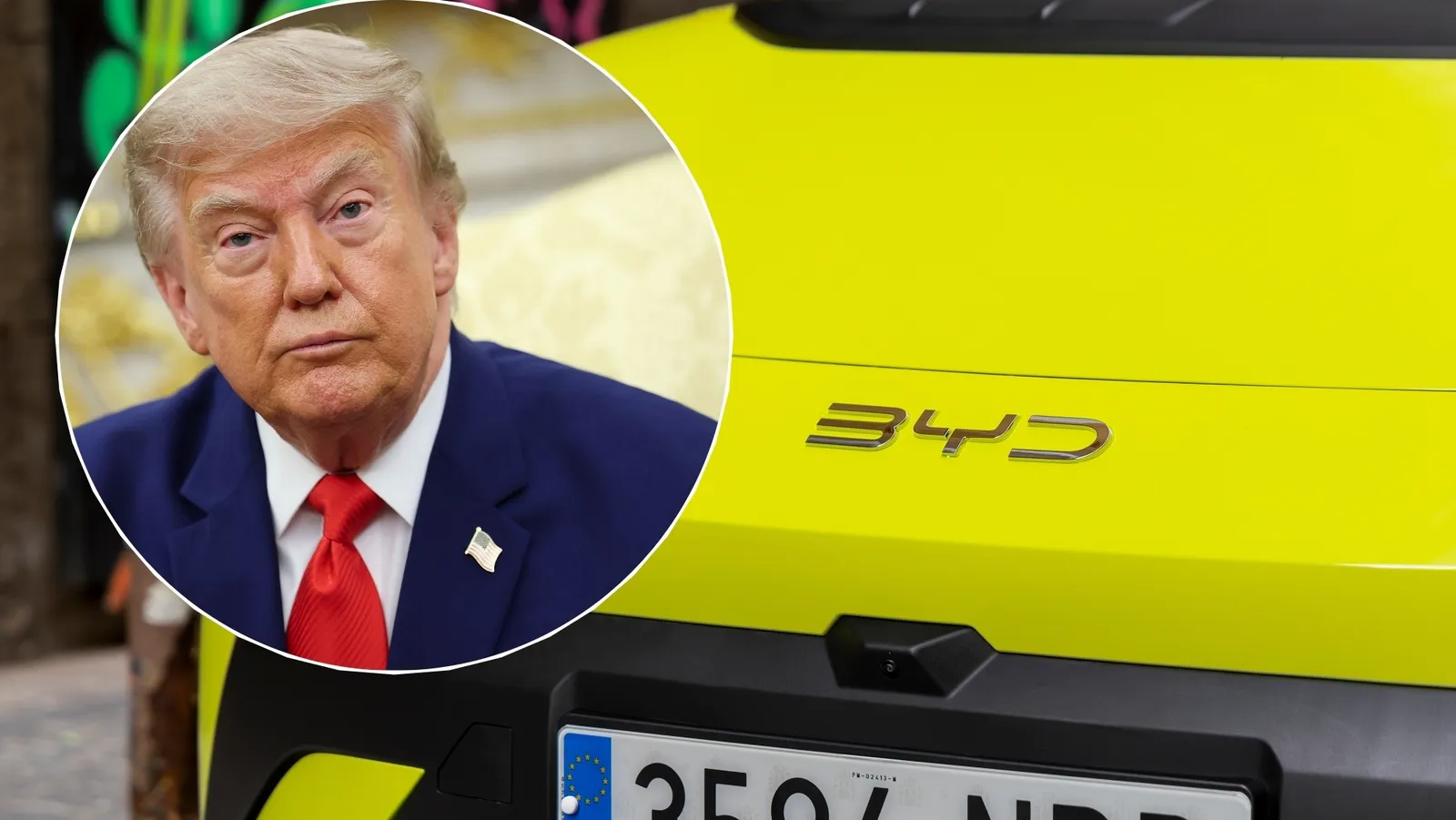
For years, Chinese electric vehicle manufacturers have looked toward the United States with the feeling that the door was closed to them. Tariffs and various restrictions have turned the country into a practically off-limits territory for brands such as BYD, Geely, or NIO. Now, statements made by President Donald Trump in a major American media outlet have opened a slight possibility for this, though with a condition that completely changes the approach: the cars would have to be manufactured on U.S. soil.
The news comes at a particularly sensitive time, with Chinese President Xi Jinping’s visit to the United States scheduled for late this month, and amid intense political debate over how far trade openness with China should go in the automotive sector. So far, Trump has been firmly opposed to allowing Chinese brands into the market, while South Korean and Japanese manufacturers gain increasing market share.
What Trump said exactly
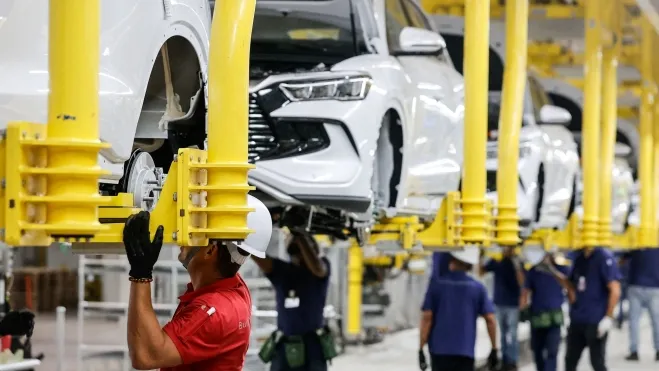
Last Friday, during an interview, Trump said he would agree to a Chinese manufacturer opening a plant to build cars in the United States. His words were clear: “If China wanted to come and open a plant to manufacture their cars here, I would agree to that. Japan does it, but they hire our people. The important thing is that they hire our people.” However, the president set a red line: he would not allow those brands to manufacture in Mexico and then ship the finished cars to the United States to avoid trade rules. BYD had already considered something similar.
Despite this verbal openness, the current regulatory landscape remains a formidable barrier for any Chinese manufacturer. A 100% tariff on cars produced in China remains in effect, along with a ban on vehicles that use software or hardware developed there. It is this latter rule that forced Polestar to withdraw from the U.S. market and could put Mercedes-Benz at risk of a dispute with the U.S. government.
A context shaped by political distrust
Trump’s remarks come shortly after Michigan Senator Elissa Slotkin raised concerns that the administration might be preparing a plan to allow Chinese cars into the U.S. market as part of a broader deal with Beijing. Slotkin is one of the advocates for legislation aimed at directly banning these vehicles in the United States, so any rumor to the contrary represents a direct blow to her proposal.
A nuanced message that shouldn’t be simplified
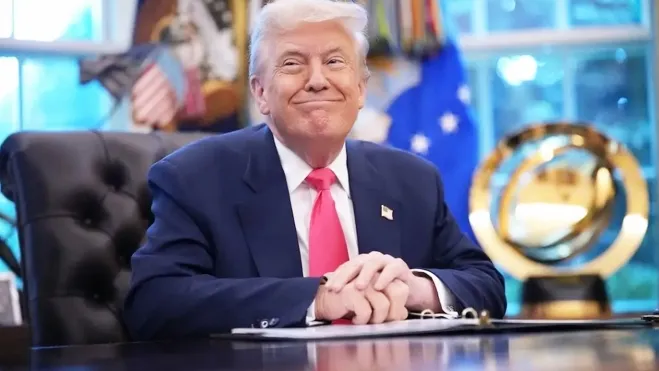
The interesting aspect of Trump’s stance is that it doesn’t propose unconditional openness, but rather a very specific model: factories operating on U.S. soil with local employees, following the example already adopted by Japanese brands for decades. This approach sounds more like an opportunity for industrial investment than pure trade openness, and it clashes head-on with the current legal framework designed specifically to keep Chinese cars and technology out of the country.
In summary, although the tone of the statements might suggest a change in direction, neither the 100% tariff nor the ban on Chinese software and hardware has changed for now. What exists is a political signal, not an actual modification of the rules that currently keep Chinese manufacturers out of the U.S. market. In fact, the Trump administration has labeled several Chinese automakers such as BYD and CATL as military entities, adding them to a blacklist.