
Too many kWh supplied by the charging station do not end up in the battery.
Too many kWh supplied by the charging station don’t end up in the battery: a reader writes to us angrily about the losses with his Renault. Vaielettrico responds. To contact us: info@vaielettrico.it
Too many kWh are supplied but never charged—why isn’t this discussed?
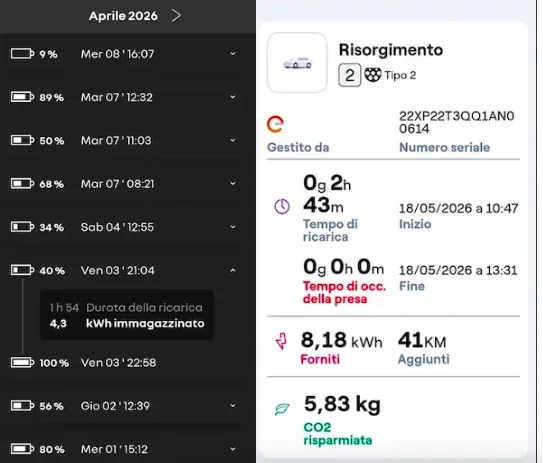
"As far as I know, I haven’t found any information regarding the difference between the kWh supplied by charging stations or wallboxes and what is actually stored in a car’s battery. Specifically, I’m referring to a comparison I made with my Renault Captur hybrid. From various checks, I’ve found that under certain weather conditions, this difference can reach up to 25%. Why isn’t this discussed clearly? If this is confirmed for other brands as well, the actual energy consumption should be reassessed. Don’t you think? I’ve attached details of two charging sessions for your reference. I’m available to provide further clarification." Fabrizio Spina
This is a known phenomenon; here’s what happens.
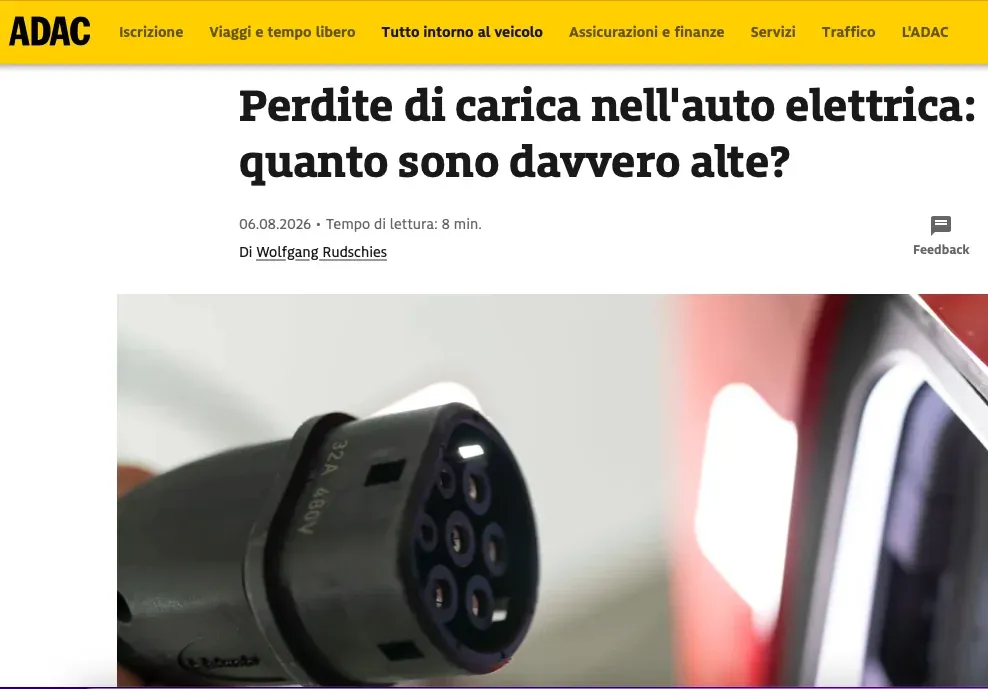
Answer. This is an issue we have addressed multiple times regarding electric vehicles, in response to other complaints. Companies that manufacture wall-boxes, such as Daze, explain that “the problem is that the screen records the energy entering the charging circuit and being delivered to the vehicle. The measurement takes place before the energy reaches the battery... The kWh shown on the meter includes energy that will be: 1) dissipated in the conductors 2) used by the wallbox or charging station 3) lost during conversion 4) absorbed by the vehicle’s control units 5) used for thermal management 6) converted into heat inside the cells. The charging station’s meter does not know which portion of the energy will end up in the battery. It simply measures what is drawn.” The loss is greater during AC charging, where energy from the grid must be converted into direct current.
The vehicle’s charger. The German automobile association ADAC conducted several tests (here is the latest one). We conclude with the tips listed below.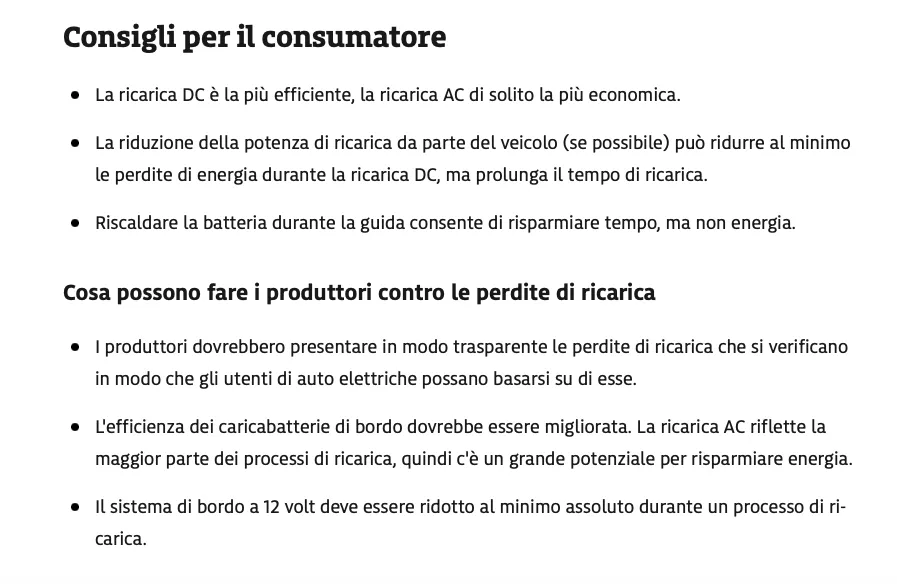
Previous Article
How much do you actually spend on charging?
Next Article
An electric trip for the season/4 Campania “Upside Down”
