
Three Renault electric cars starting from 19,620 euros. Which one is the best?
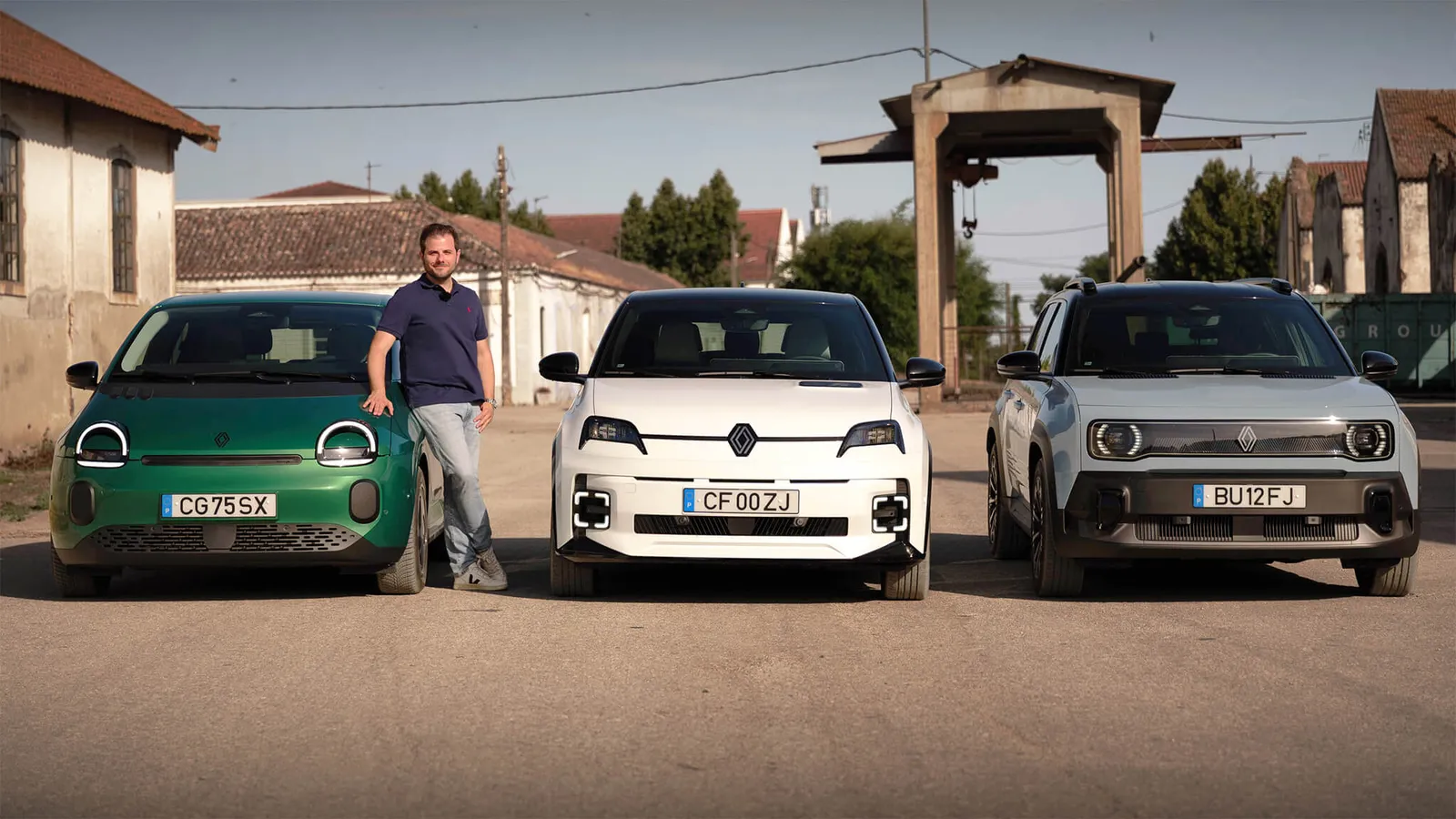
The Twingo, R5, and R4 are Renault’s three most affordable electric vehicles, but choosing between them requires looking beyond just the price.
Twingo, Renault 5, and Renault 4. Three names that defined different eras at Renault and have returned with one common feature: they are now 100% electric.
But don’t let the retro-inspired design fool you. While they all retain much of the identity of their original models, they couldn’t be more different in terms of space, range, or even price. This led us to ask: which one makes the most sense to buy?
To find the answer, we put together Renault’s three most affordable electric models from its E-Tech range to explore what unites them and, more importantly, what separates them. Watch the video:
What connects the Twingo, R5, and R4?
The first common point is obvious to everyone. Renault looked back at its history to select three important names and brought them to the present, though it chose to retain some of the distinctive characteristics of each of these models.
The Twingo, for example, revives the irreverent spirit and space-efficient design of the original model launched in 1992. The Renault 5 draws inspiration from the charm and simplicity of one of the brand’s greatest icons, while the Renault 4 brings back the versatility and adaptability that helped the original 4L exceed 8 million units sold.
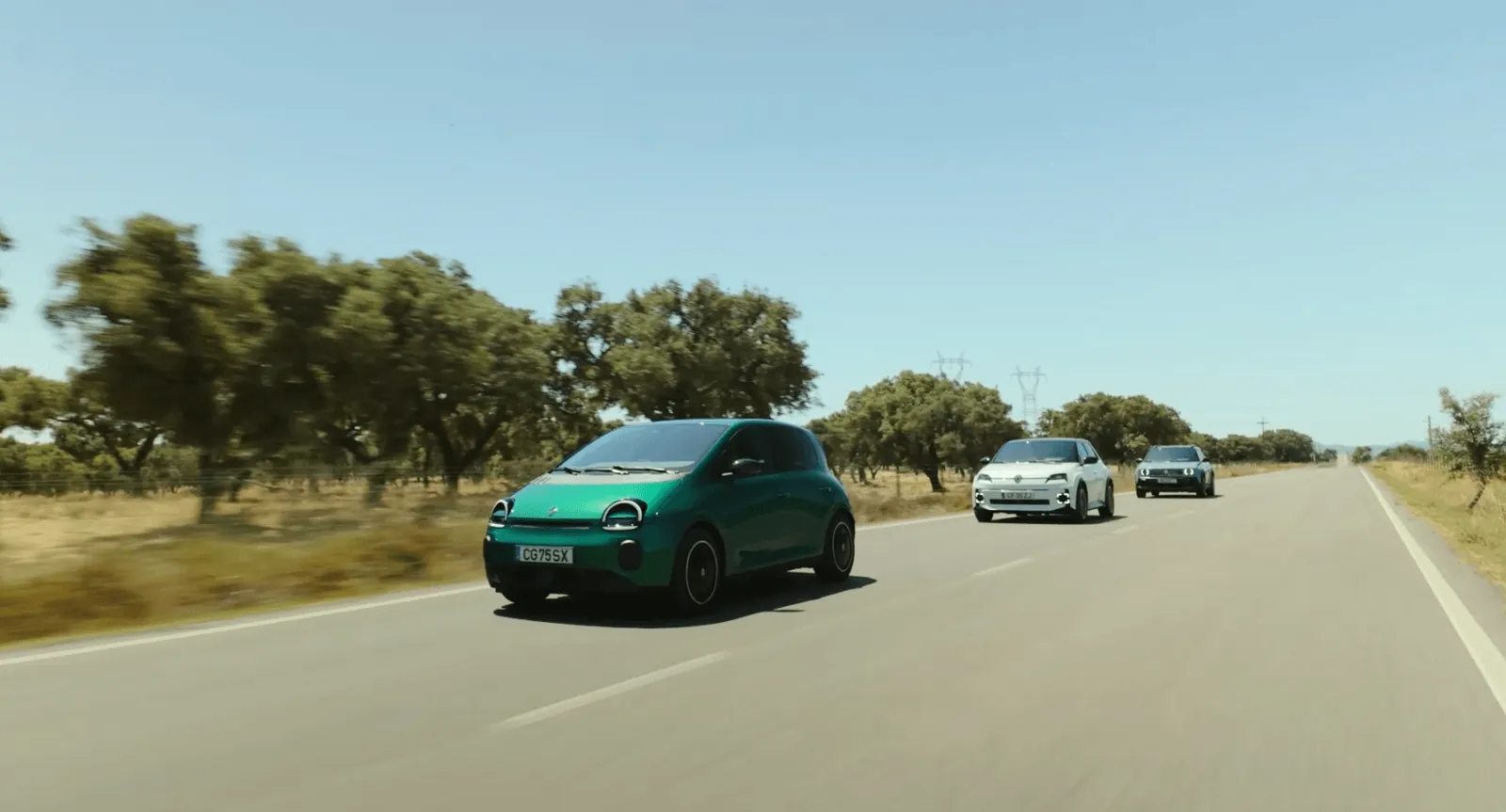
But the references to the past aren’t limited to the exterior. Colors, patterns, graphics, and small details scattered throughout the cabin aim to establish a connection with the three original models, though each does so in its own distinct way. The emphasis remains on simplicity and ease of use.
Three ways to use an electric vehicle
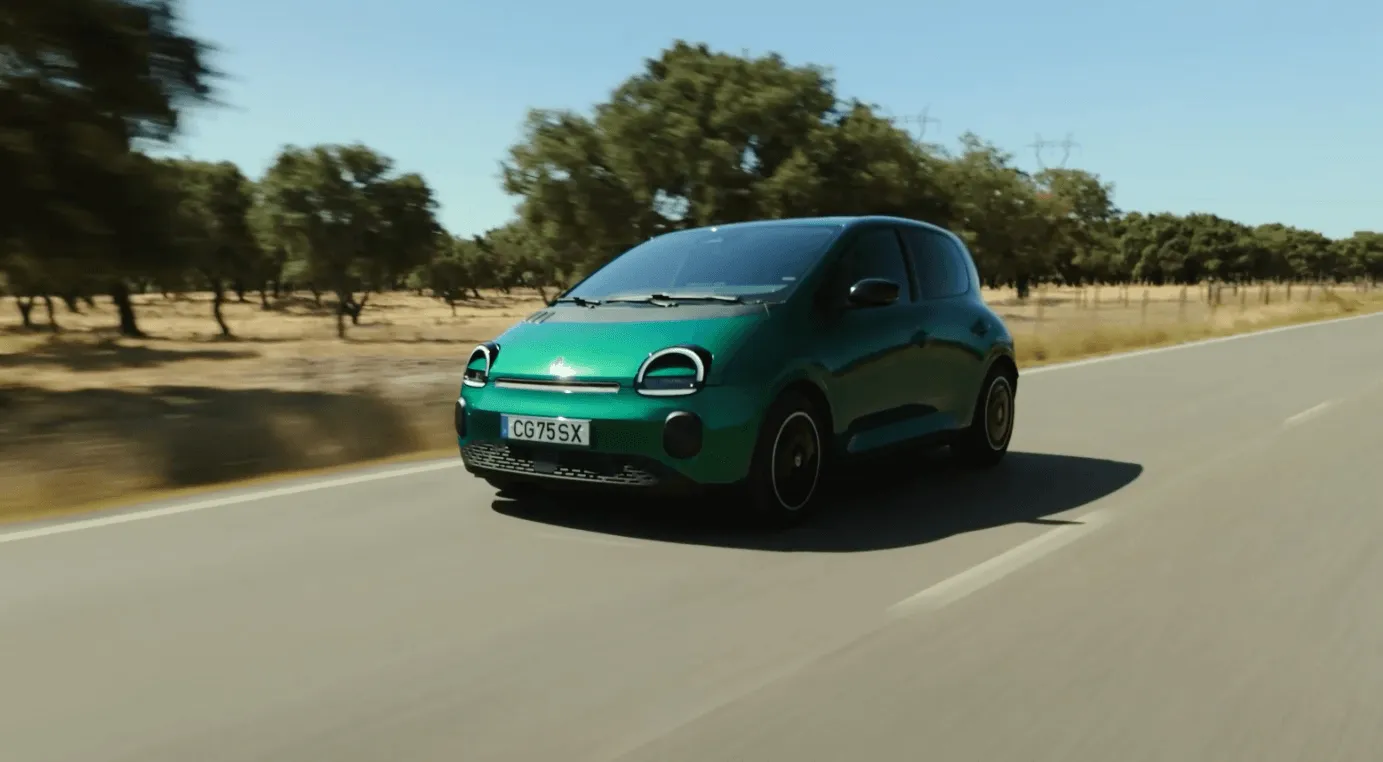
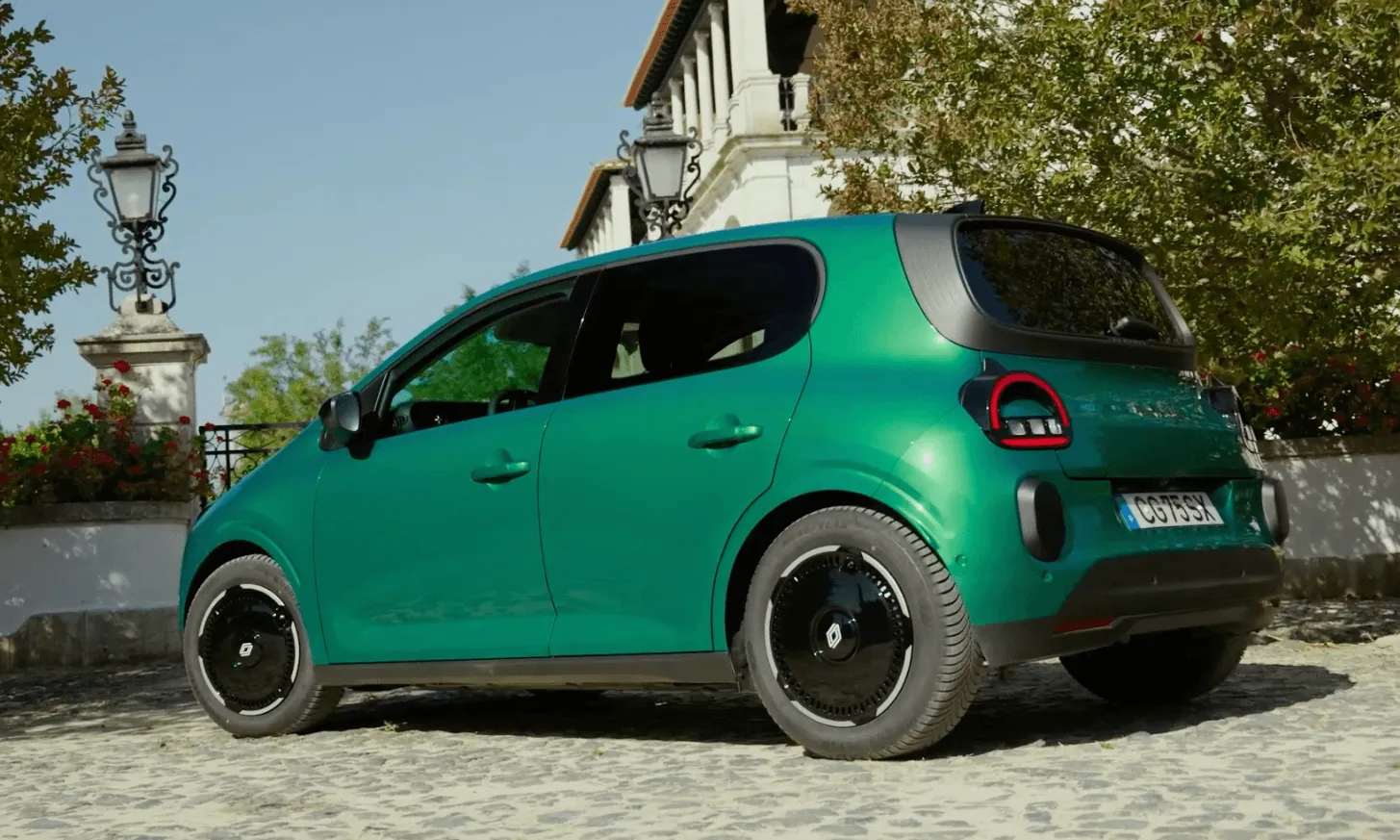
The Twingo E-Tech is the most urban of the three. It measures only 3.79 meters in length, has a turning radius of less than 10 meters, and features an interior capable of seating four people.
Yet its exterior dimensions conceal a cabin that is particularly well-designed. The two rear seats are individual and can slide longitudinally, allowing drivers to choose between more space for passengers or more space for luggage.
There are also five doors (the original had only three) and Isofix attachments, two features particularly important for those transporting children. The trunk offers 305 liters of space and can reach 966 liters when the rear seats are folded down.
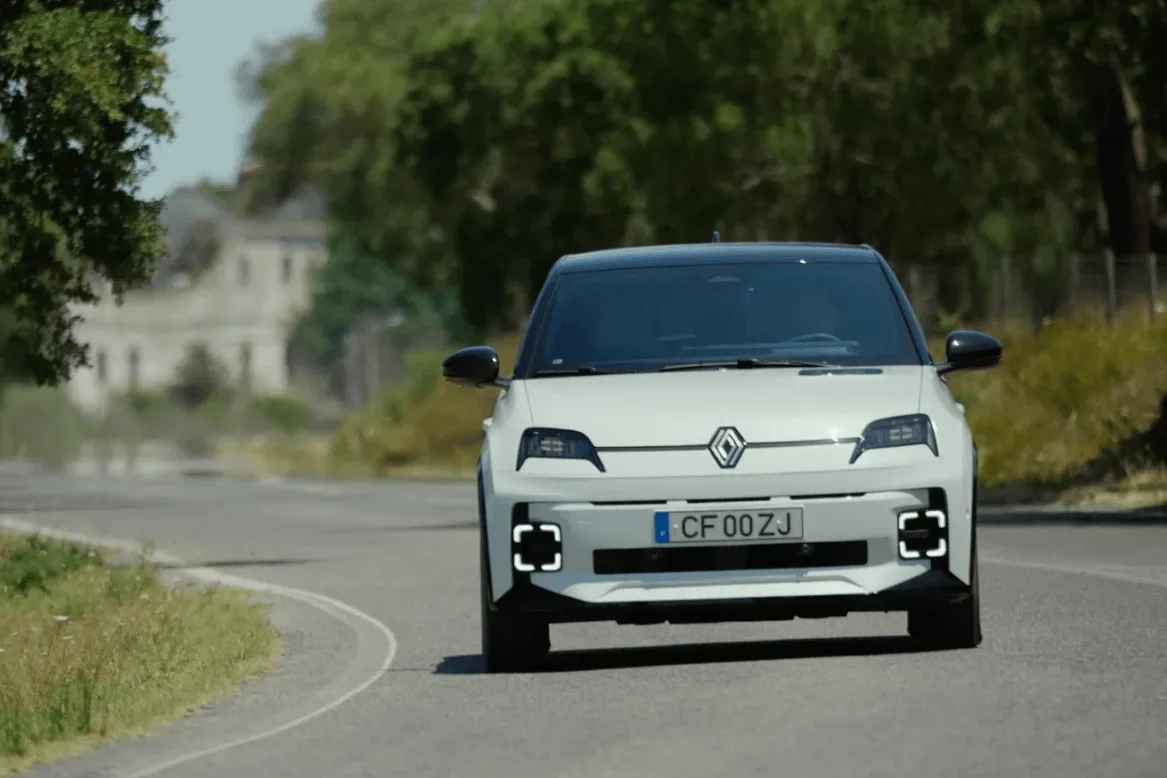
The Renault 5 E-Tech occupies a middle ground. It measures 3.93 meters long and features a lower driving position, a more enclosed cabin, and an approach geared toward those who value driving experience.
On the other hand, the space in the rear seats is more limited, especially for adults, and the trunk holds around 277 liters, with 959 liters available when the seats are folded down.
The Renault 4 E-Tech, meanwhile, is better suited for family use. It has a higher driving position, with a ground clearance of 18.1 cm and a wheelbase of 2.62 meters—8.4 cm more than the Renault 5.
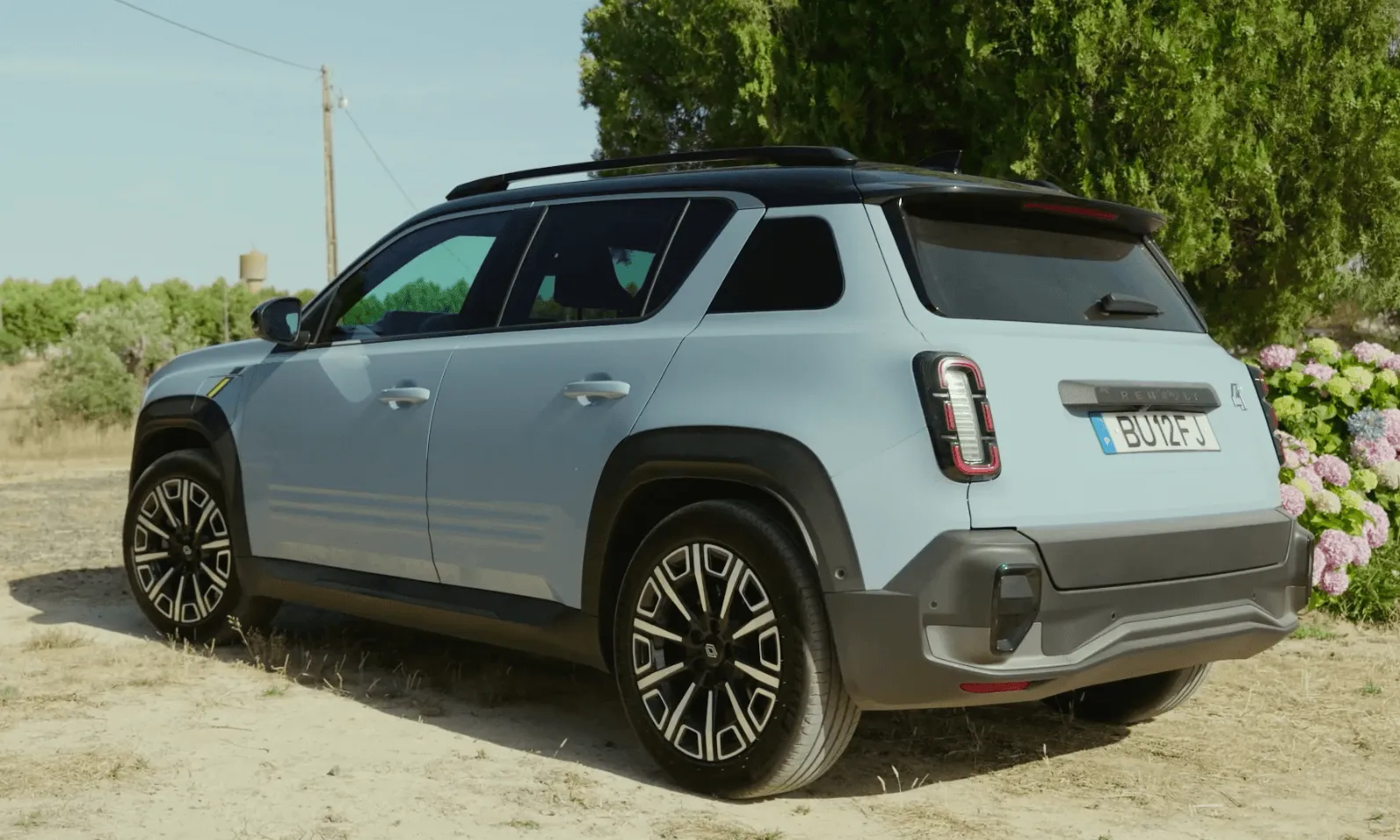
This difference is most noticeable at the back, where there is more space for legs and head. The trunk matches this increased versatility, offering 375 liters and reaching 1149 liters with the rear seats folded down.
In the end, despite their common features, these three models represent completely different approaches. While the Twingo emphasizes compact dimensions to excel in urban areas, the Renault 5 seeks a balance between city use and road travel, and the Renault 4 adds space and versatility to the equation.
Power, battery, and range
It is also here that the differences begin to explain the various price tiers. The Twingo E-Tech is the simplest option. It features an electric motor of 60 kW (82 hp) and a 27.5 kWh LFP battery, sufficient for an advertised range of up to 264 km in the combined WLTP cycle.
For those who mainly use the car in the city, drive only a few dozen kilometers per day, and have the opportunity to charge regularly, it might be exactly what they need.
However, there is an important detail to consider when configuring the car. By default, the Twingo can only be charged at 6.6 kW on alternating current (AC), but there is an optional upgrade for 500 euros that raises this to 11 kW and adds fast charging on direct current (DC) up to 50 kW.
The Renault 5 E-Tech offers significantly more options. It is available with 95, 120, or 150 horsepower and batteries of 40 or 52 kWh. Depending on the version, the advertised range can reach 312 or 431 kilometers in the combined WLTP cycle.
Here too, attention must be paid to the version chosen. The entry-level variant, with 70 kW (95 horsepower), can only be charged on alternating current (AC) at up to 11 kW. In the other versions, there is fast charging on direct current (DC) up to 100 kW, allowing the battery to go from 15% to 80% in about 30 minutes.
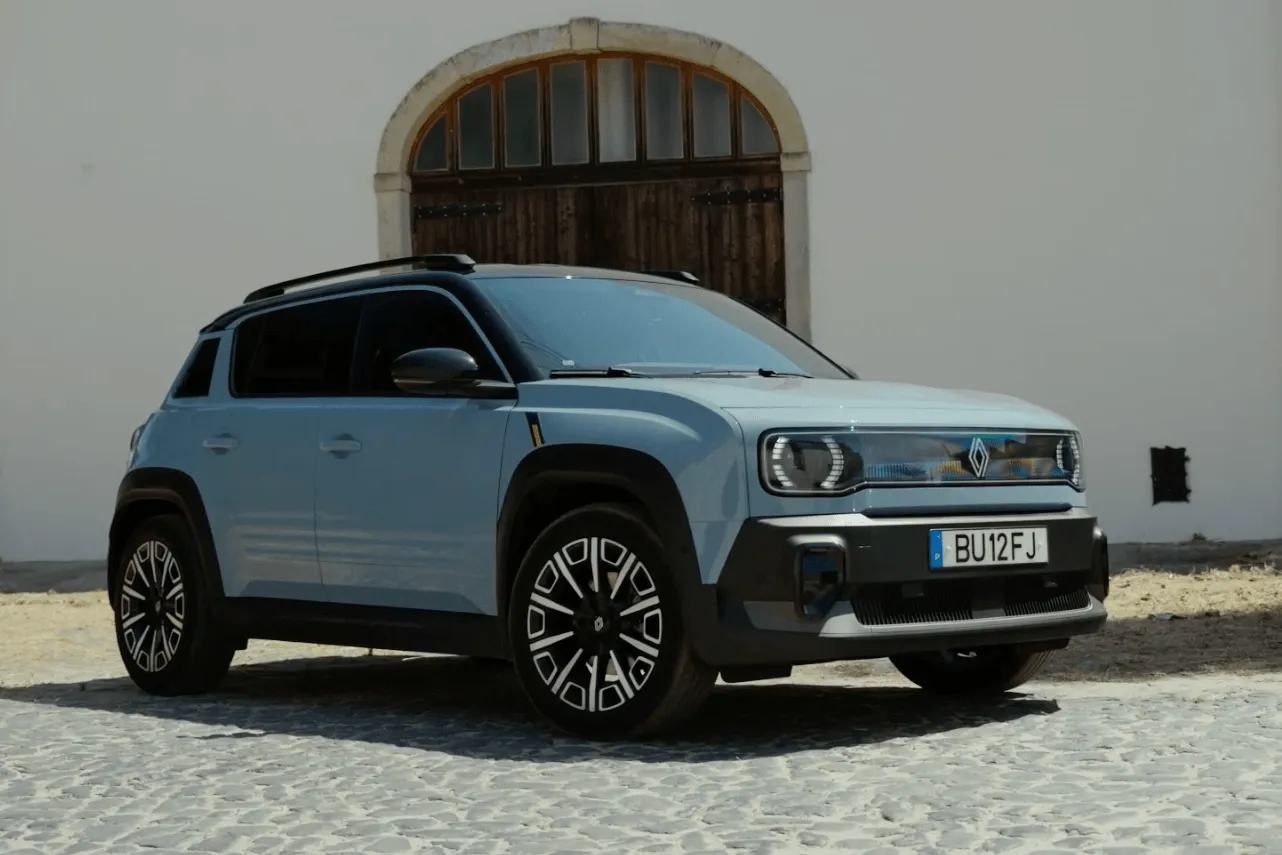
Finally, the Renault 4 E-Tech uses a technical solution similar to that of the Renault 5, but it is only available with 110 kW (150 hp) and a 52 kWh battery, offering an announced range of up to 412 km in combined WLTP cycle, depending on the version.
In this case, charging can reach 11 kW on alternating current and 100 kW on direct current, allowing the battery to go from 10% to 80% in just 30 minutes during fast charging.
What about the price?
The Renault Twingo E-Tech is the most affordable of the three, with prices starting at 19,620 euros. The Renault 5 E-Tech begins at 24,900 euros, while the Renault 4 E-Tech starts at 33,440 euros.
In total, there is a difference of 13,820 euros between the base version of the Twingo and the entry-level version of the R4. But this gap isn’t just due to higher power and range. The profile of each of these models is completely different, as is their intended use.
It’s true that the Twingo can fully meet the needs of those looking for a small city car. But if your requirements involve more space and versatility, then the Renault 4’s greater family-oriented design might be the better choice.
Which electric car should you choose?
That said, there is no one-size-fits-all answer. If you need a second car or an electric vehicle for urban commuting, can charge it regularly, and don’t make long trips, the Twingo E-Tech is likely the most sensible choice.
The Renault 5 E-Tech offers a middle ground, balancing compact size, range, and the ability to travel outside the city frequently. Of the three, it also provides the most engaging driving experience and a more sporty driving position.
The Renault 4 E-Tech is the best choice for family use. It offers more space in the rear seats, a larger trunk, and a higher driving position, while maintaining range that is very close to that of the best versions of the Renault 5.
However, in the end, the decision should be based less on the maximum range advertised and more on how each person will use the car. It’s essential to consider how many kilometers we will drive per day, how many people we usually transport, and how much space we truly need.
After doing this analysis, and despite all their similarities, the Twingo, Renault 5, and Renault 4 stop appearing as three variations of the same concept and become what they truly are: three electric vehicles for different needs.