
Three 800 V electric cars that you can already buy used for around 30,000 euros
The 800 V architecture has for years been one of those technologies associated with the most expensive electric cars. It was a solution that promised to significantly reduce stop times on long trips, but seemed reserved for models costing tens of thousands of euros. However, time and depreciation are changing this situation.
Today, it is already possible to find used models with this technology on the market for around 30,000 euros, or even less in some cases. Interestingly, these are not necessarily cars that are many years old or have hundreds of thousands of kilometers on them, but rather models registered mainly between 2022 and 2024.
The advantage of 800 V lies not so much in having a high voltage figure to boast about, but rather in the ability to make better use of high-power fast chargers. On a trip, this can mean stops of only 15 or 20 minutes to regain a significant amount of range, provided we find a charger capable of delivering the necessary power and the battery is in good condition.
Hyundai Ioniq 5, Kia EV6, Ioniq 6: three models that have already seen price drops
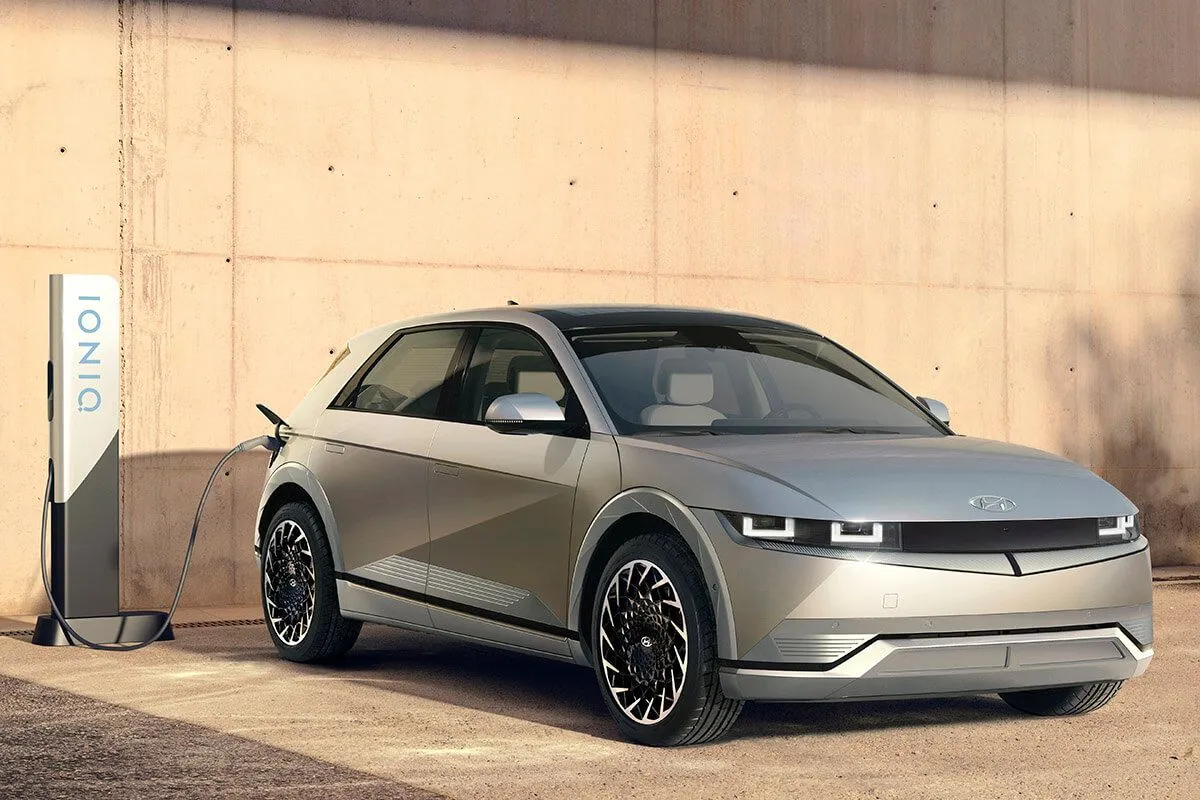
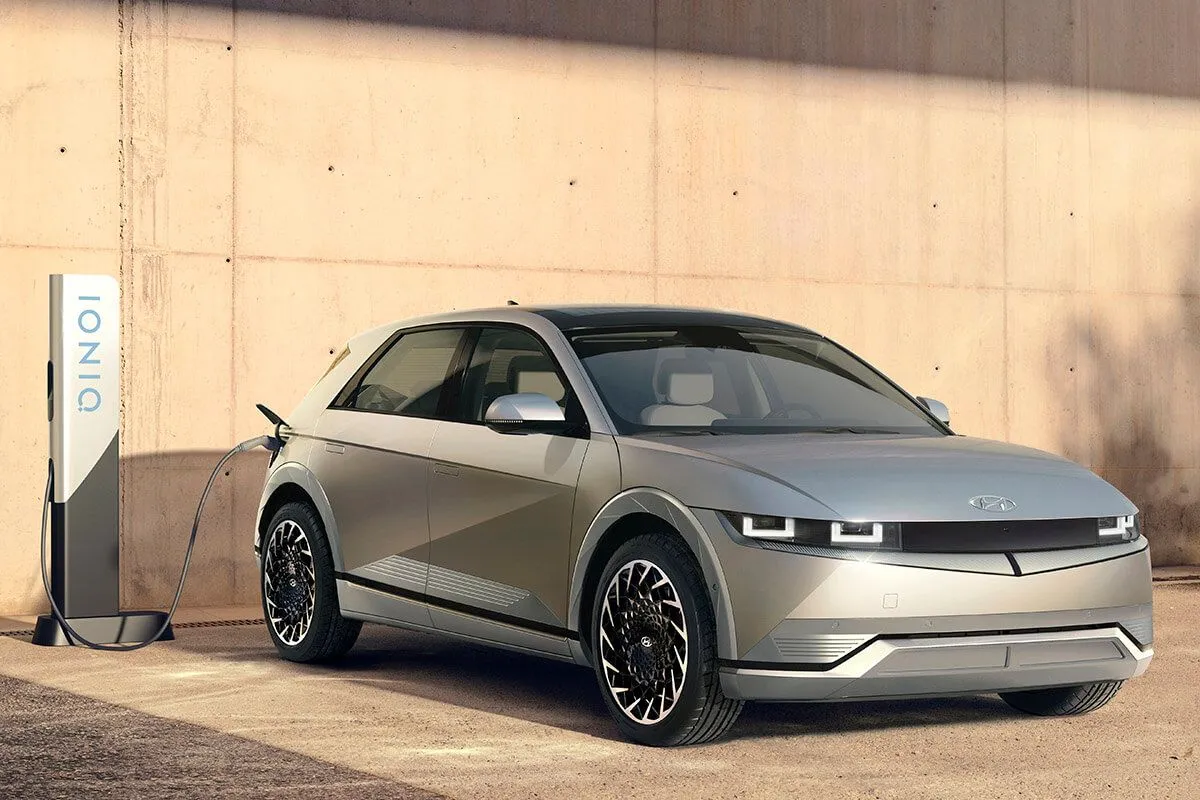
The Hyundai Ioniq 5 was one of the first relatively affordable models to popularize this technology. Built on the E-GMP platform, it shares many of its components with the Kia EV6 and offers an uncommon combination of space, performance, and charging speed.
Although it comes in a 58 kWh version, we will focus on the one with the 77 kWh pack, which was the largest model two or three years ago. The Hyundai Ioniq 5 Long Range with rear-wheel drive, as well as an all-wheel-drive version, has a body length of 4.64 meters, width of 1.89 meters, and height of 1.61 meters, with a wheelbase of 3.00 meters. This gives it ample interior space and a large trunk capacity of 520 liters, in addition to the 57 liters in the front trunk. Its interior stands out for its spaciousness and standard features such as two large screens, driving assistants, and, depending on the trim level, options like electric seats, a heat pump, or advanced driving assistance systems.
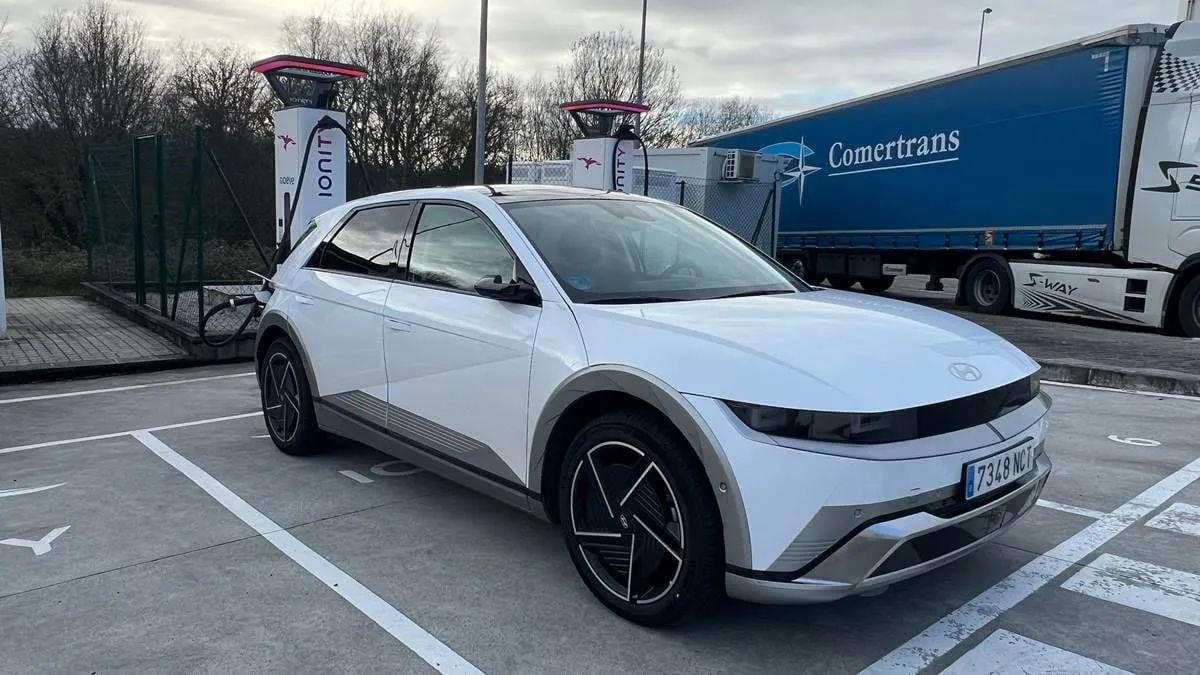
In this version, the rear electric motor delivers 168 kW (229 HP) and 350 Nm of torque, enabling a 0 to 100 km/h acceleration in around 7.4 seconds. The battery has a capacity of 77.4 kWh, allowing up to 507 kilometers of WLTP range depending on the version and wheels. But its biggest advantage becomes apparent when it’s time to recharge.
The Ioniq 5 can accept up to 235 kW of DC power, charging from 10% to 80% in about 17 minutes. Additionally, its 800 V system allows it to use 400 V chargers without the need for additional adapters.
And here lies one of the attractions of the used car market. Ioniq 5 models from 2022 and 2023 with around 100,000 kilometers on them can already be found for under 25,000 euros.
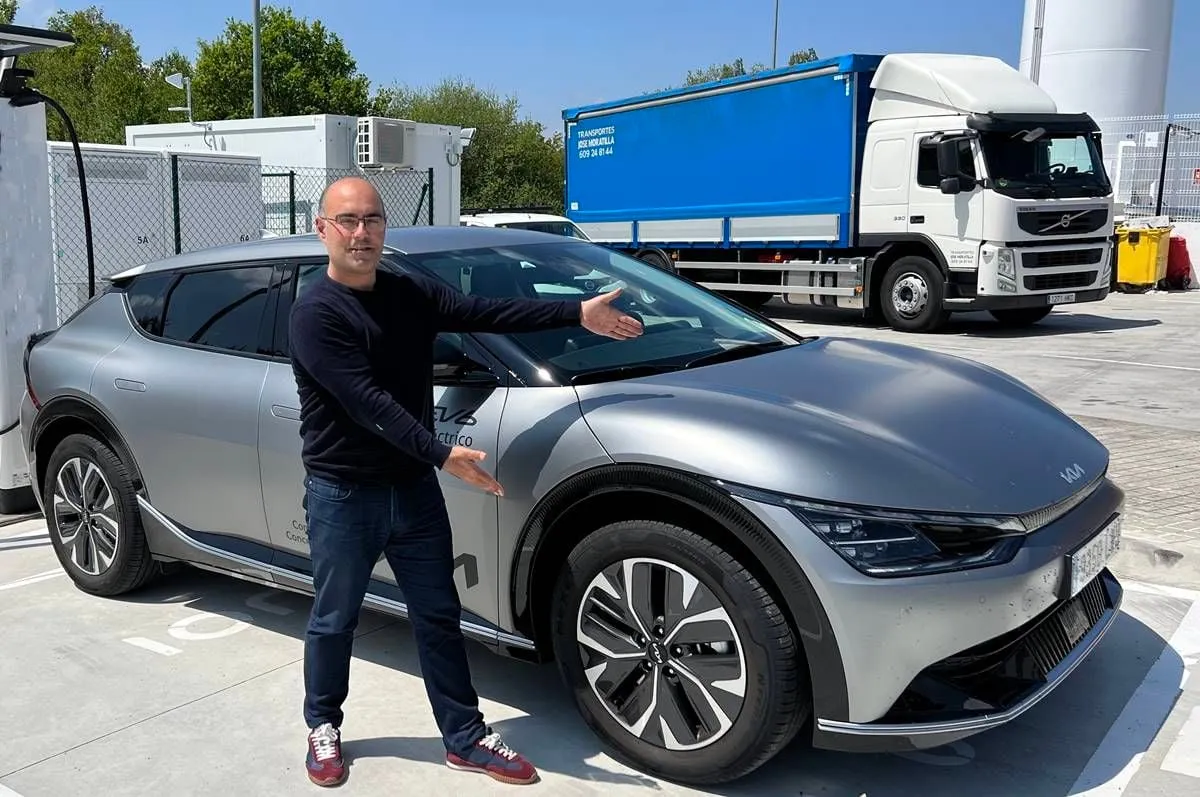
The Kia EV6 uses the same technical platform but features a lower, more sporty body style. It measures 4.68 meters in length, 1.88 meters in width, and 1.55 meters in height, with a wheelbase of 2.90 meters. It’s an especially interesting option for those looking for a more dynamic car without sacrificing the space needed for travel. Interestingly, there are differences in the trunk capacity—although it is slightly longer, its sleek design reduces its loading capacity to 480 liters, plus an additional 52 liters in the front compartment.
In the case of the EV6 Long Range RWD, the 2022-2023 version was equipped with a rear engine delivering the same 168 kW (229 hp) and 350 Nm of torque. Its 0 to 100 km/h acceleration time is around 7.3 seconds, while the certified range can reach 528 kilometers under WLTP conditions.
The 77.4 kWh battery also supports charging at up to 800 V and requires the same 17 minutes to charge as the Ioniq when using a sufficiently powerful DC charger. Kia further states that about 4.5 minutes of charging can provide roughly 100 kilometers of WLTP range.
This makes the EV6 one of the most attractive used electric cars for those who drive long distances. Most notably, 2023 models with only 65,000 kilometers on the odometer are already available for around 28,500 euros.
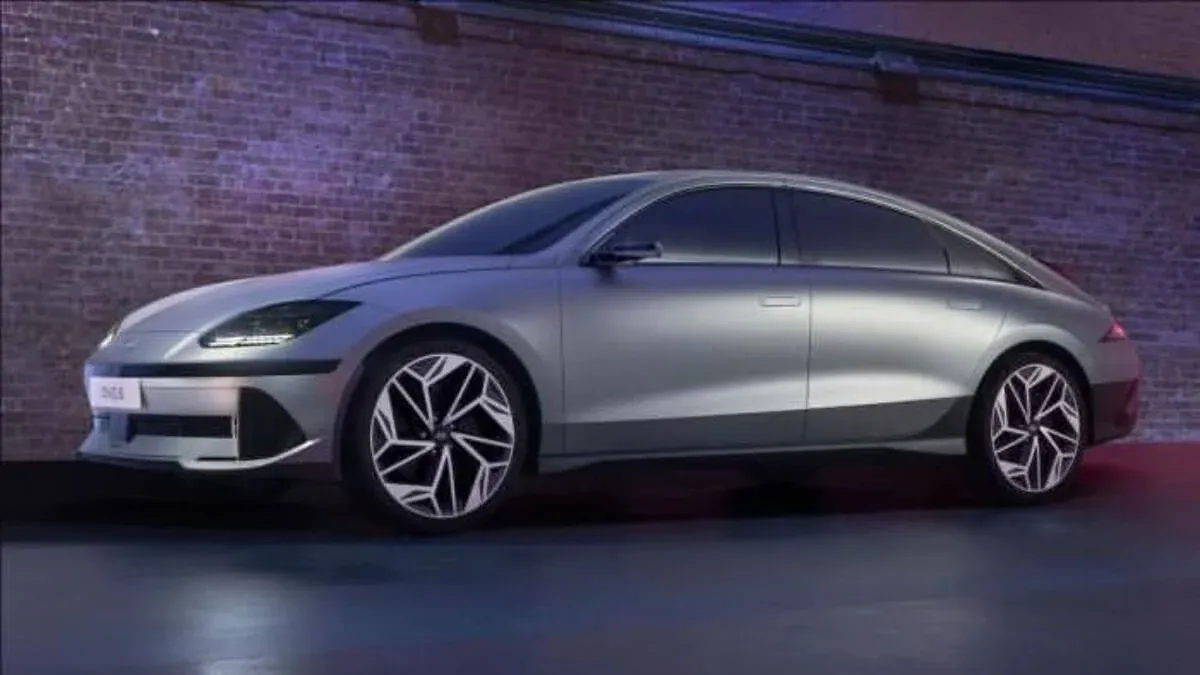
The third vehicle is also part of the Hyundai/KIA family, and it’s likely the most interesting option for those who value road efficiency. The Hyundai Ioniq 6 shares the 800 V technology with the Ioniq 5, but it features a much more aerodynamic electric sedan body. It measures 4.86 meters in length, 1.88 meters in width, and 1.50 meters in height, with a wheelbase of 2.95 meters.
This affects the trunk area, as it results in a significant loss of capacity and versatility. It has a smaller opening compared to its siblings, with a capacity of only 401 liters. This is quite limited for a model designed for travel. It also loses space in the front trunk, which amounts to just 45 liters.
Its rear-wheel-drive Long Range version uses a 168 kW (229 HP) engine with 350 Nm of torque, enabling it to reach 100 km/h in 7.4 seconds. With a 77.4 kWh battery, it achieves 614 kilometers of WLTP range with 18-inch tires.
The 77.4 kWh battery remains compatible with DC charging up to 235 kW, allowing approximately 17 minutes to go from 10% to 80% charge. Hyundai estimates that around 351 kilometers of range can be restored in 15 minutes of charging under homologation conditions.
And it is precisely here that the Ioniq 6 begins to become particularly attractive as a used car. Units from the early model years are now available for around 30,000 euros, though the price depends heavily on mileage and equipment. For that amount, you’re getting an electric sedan with a very high certified range and charging speed that remains among the fastest in the market.
A model whose design was updated in early 2025, adopting a much sharper and more attractive front end.
Over 40,000 euros
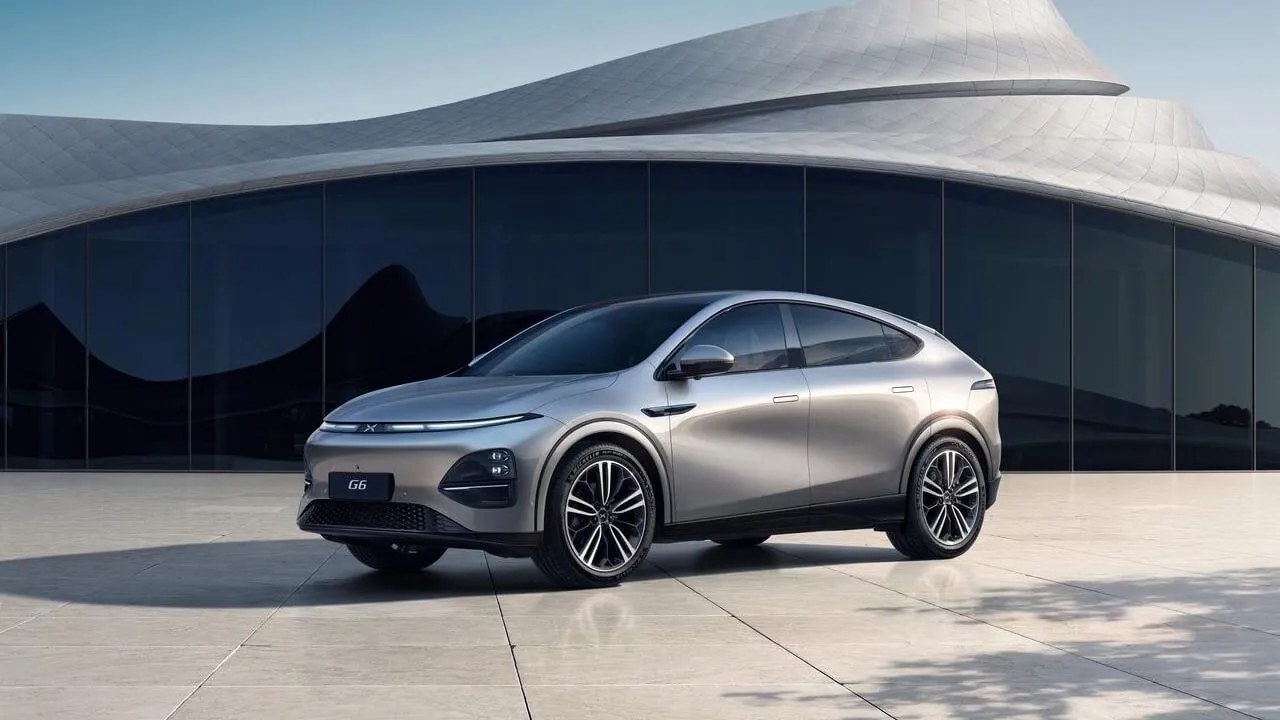
The XPENG G6 is another model that deserves a spot on this list, though it falls into a higher price range. XPENG’s SUV coupe starts at around 40,000 euros in the European market and features one of the most advanced 800 V architectures in its class, making it a particularly interesting option for those who want a family-friendly body style combined with extremely fast charging.
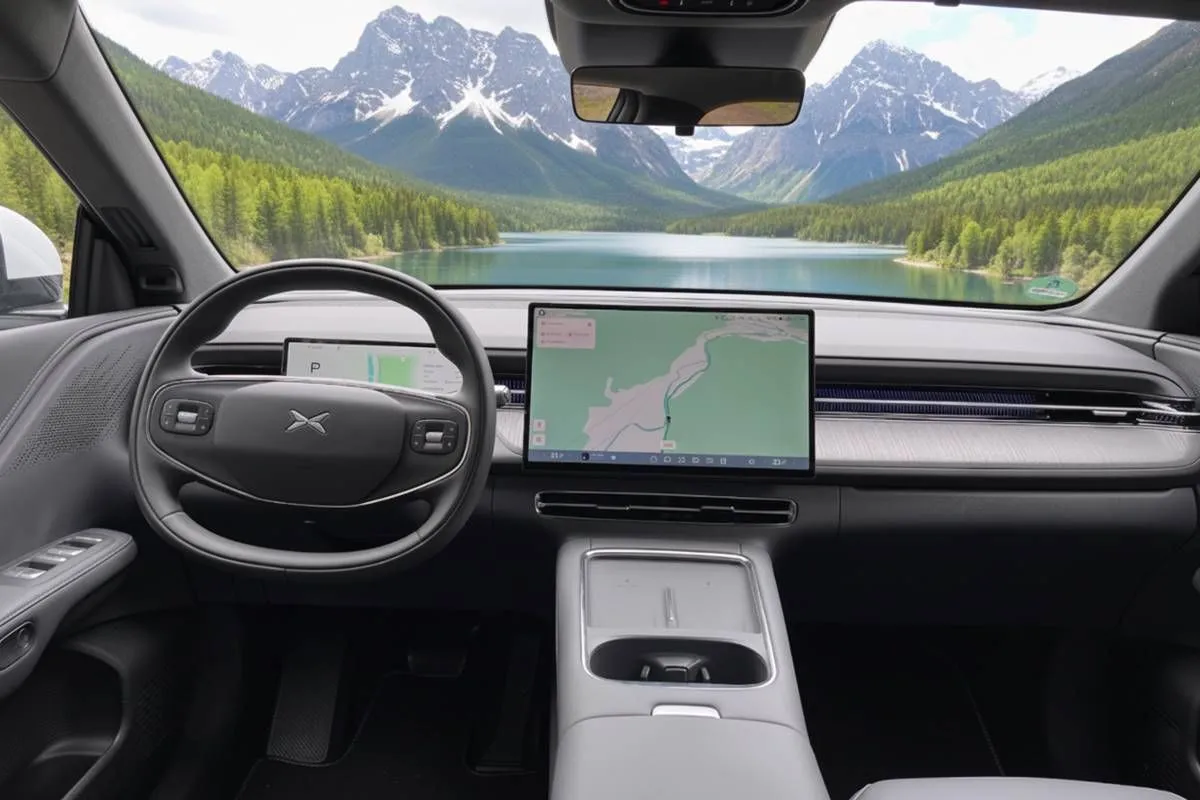
The G6 measures 4.76 meters in length, 1.92 meters in width, and 1.65 meters in height, with a wheelbase of 2.89 meters. Its trunk offers 571 liters of space, one of the best figures in its segment. The interior emphasizes a highly technological approach, with a large central screen, digital instrumentation, driving assistants, and in higher trims, features such as electric seats with heating, ventilation, and massage functions.
The 2024 Long Range rear-wheel-drive version was equipped with a 210 kW (286 HP) engine, sufficient to accelerate from 0 to 100 km/h in 6.7 seconds. The battery has a net capacity of 87.5 kWh, allowing it to reach up to 570 kilometers on WLTP tests. This combination is already adequate for long trips without the need for frequent stops.
But where the G6 truly shines is in its charging system. Its 800 V architecture allows it to reach up to 280 kW in DC charging, with a claimed 10% to 80% charge time of just 21 minutes. This is an especially impressive figure for a car starting at a price near 40,000 euros. Additionally, it features 11 kW AC charging and a V2L system of up to 3.3 kW.
The new version, released at the end of 2025, saw significant improvements in this area, raising the charging power to 450 kW and reducing the charge time to just 12 minutes. Interestingly, on second-hand market listings in some countries like Germany, we can already find units of this model for less than 40,000 euros. That’s a real bargain. Another interesting point is that this new Xpeng model has seen a slight reduction in range, coming in at 525 km WLTP.
Above it is the XPENG P7+, an electric fastback sedan that takes this concept even further. In Germany, practically new units can already be found for around 44,000 euros. In fact, a vehicle registered in April 2026 with only 9,900 kilometers on it is listed at 44,352 euros, featuring 230 kW (313 hp), a 75 kWh battery, and 530 kilometers of WLTP range.
The P7+ measures 5.07 meters in length, 1.94 meters in width, and 1.51 meters in height, with a wheelbase of 3.00 meters. Despite its sedan silhouette, the rear hatchback design provides 573 liters of trunk space, which also comes with a large access door. Thus, it is a much more practical car than its sleek appearance might suggest.
The rear-wheel drive Long Range model uses a 230 kW (313 HP) engine and can accelerate from 0 to 100 km/h in about 6.2 seconds. The European version features a 74.9 kWh LFP battery, offering a range of up to 530 kilometers according to WLTP standards. Its equipment is also one of its strengths, featuring a high level of technology such as climate-controlled and massaging seats, a 360-degree camera, a panoramic roof, and advanced driving assistants.
The most interesting aspect lies once again in the charging capability. The P7+ uses an 800 V architecture and can reach up to 446 kW in DC power, taking about 12 minutes to charge from 10% to 80%. In other words, this is a much more efficient car than the G6, and its charging system puts it at the top of the market. That said, it is also significantly longer—31 centimeters more—which affects parking convenience.
P7+ also demonstrates just how much the price of this technology is dropping. Just a few years ago, one had to turn to high-end models to find 800 V systems capable of easily exceeding 300 kW of charging power. Now, a five-meter car with over 500 kilometers of certified range and a 573-liter trunk is starting to reach prices that were until recently reserved for much more conventional electric vehicles.
The conclusion is that 800V technology has arrived to stay, and the number of available charging stations continues to grow. Moreover, being able to charge in just a few minutes is undoubtedly a luxury within reach of more and more people thanks to the used car market.
