
After selling over 1,200,000 units worldwide, BYD’s cheapest electric car is set for a major transformation
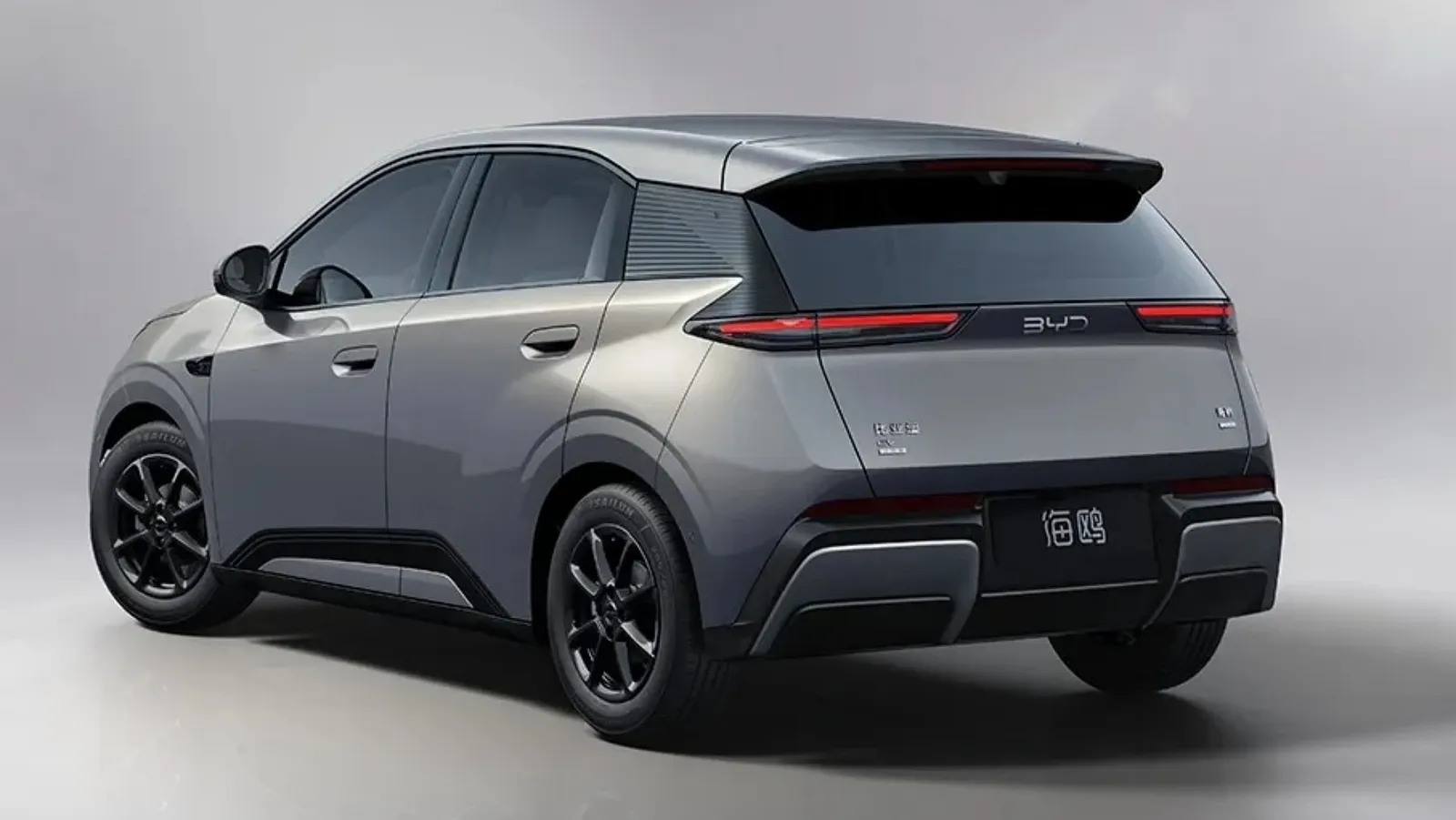
The BYD Seagull, the Chinese brand’s entry-level urban electric vehicle, known as Dolphin Mini or Dolphin Surf in some markets, gets a second generation. Its launch in China is scheduled for October 20. Pre-orders are now being accepted without a confirmed price, though the company has stated it aims to keep the cost below 100,000 yuan, roughly 13,300 euros at current exchange rates.
It is one of BYD’s biggest successes. Since its debut in 2023, approximately 1.2 million units of both the Seagull and Dolphin Surf have been sold worldwide. However, sales momentum has slowed: from January to September 2026, 83,604 Seagulls were delivered, 66% less than in the same period the previous year. This refresh arrives just to give it a new boost.
Much larger than before
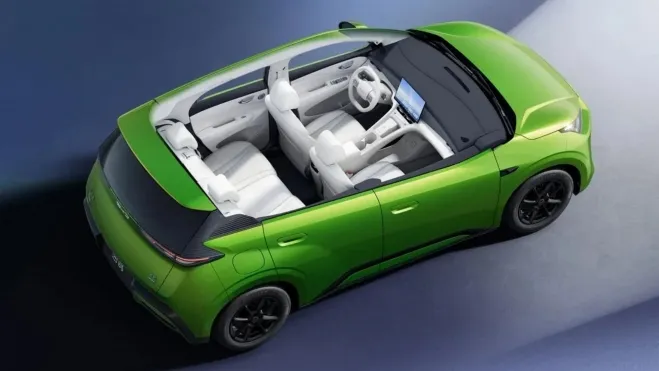
The biggest change is the increased size of this second generation model. The new Seagull measures 4,205 mm in length, 1,810 mm in width, and 1,570 mm in height, with a wheelbase of 2,650 mm. It is 425 mm longer and 150 mm wider than the current model. That’s a significant difference for a car.
To put this in perspective, the first Seagull was 3,780 mm long, 1,715 mm wide, and 1,540 mm high. In other words, it’s nearly 10 centimeters wider. It even surpasses the European Dolphin Surf, which was already longer than the Chinese version at 3,990 mm. With these dimensions, the Seagull moves from a city car to a size comparable to a large SUV. It transitions from the European A-segment to the B-segment.
More powerful engine and battery to be confirmed
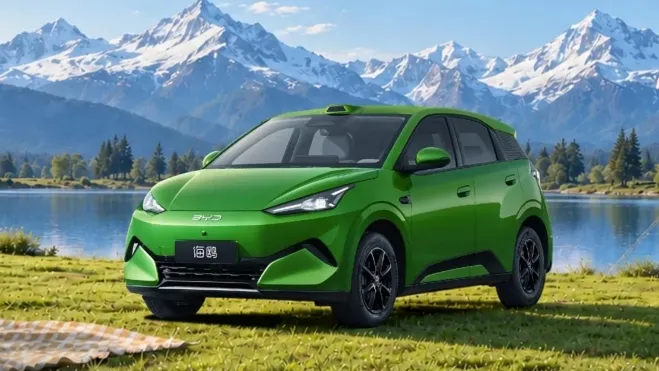
The Seagull/Dolphin Surf is a pure electric vehicle. It features a permanent magnet synchronous motor manufactured by BYD itself, with 95 kW of power, equivalent to 129 horsepower. The first generation had 75 horsepower, so this improvement is significant.
Regarding the battery, it is expected to use the second generation of BYD’s Blade Battery made from lithium iron phosphate (LFP), with support for the brand’s fast charging technology. The cells are said to come from FinDreams, BYD’s battery subsidiary. This detail has not yet been confirmed, nor are there any details available on capacity or range.
Lidar on the roof and a sharper design
Exteriorly, it features a closed front end, angular lines, and polygonal-shaped headlights. The lidar sensor on the roof stands out, connected to advanced driving assistance features, which is unusual for a car in this segment. The design is completed by semi-hidden handles, glossy black tires, hidden pillars, new instrument panels, and a prominent rear diffuser. There will be six colors available.
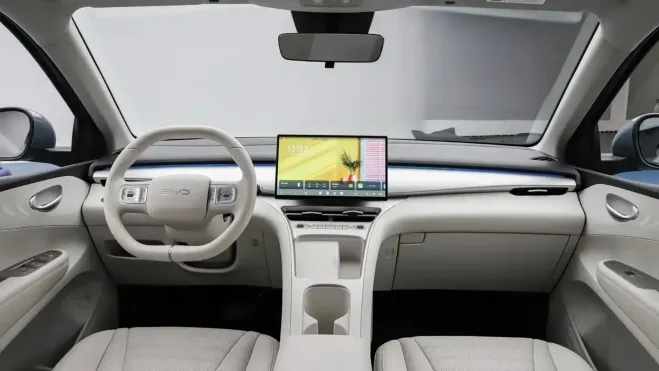
As we’ve already seen, inside the vehicle, the central screen grows larger while the traditional dashboard disappears, though some physical buttons remain. It also features a wireless charger for the phone, a large central console, and a two-spoke steering wheel. The increased size along with the addition of LiDAR radar bring it closer to cars in a higher category. The key will be whether BYD maintains a low price, as that was its main selling point.
It will arrive in Europe as the new Dolphin Surf
This second generation will also arrive in Europe, where it will replace the current BYD Dolphin Surf, though we don’t know when that will happen. It is currently sold in Spain with 30 and 43.2 kWh batteries, 88 and 156 hp of power, and a WLTP range of up to 322 kilometers, starting at 11,780 euros with discounts and incentives. For Spanish drivers, the new model promises more space and greater power in a car that was already among the most affordable electric vehicles. Despite these changes, the Dolphin Surf’s competitors remain, with models such as the Geely E2, Renault 5, and Volkswagen ID. Polo standing out among them.