
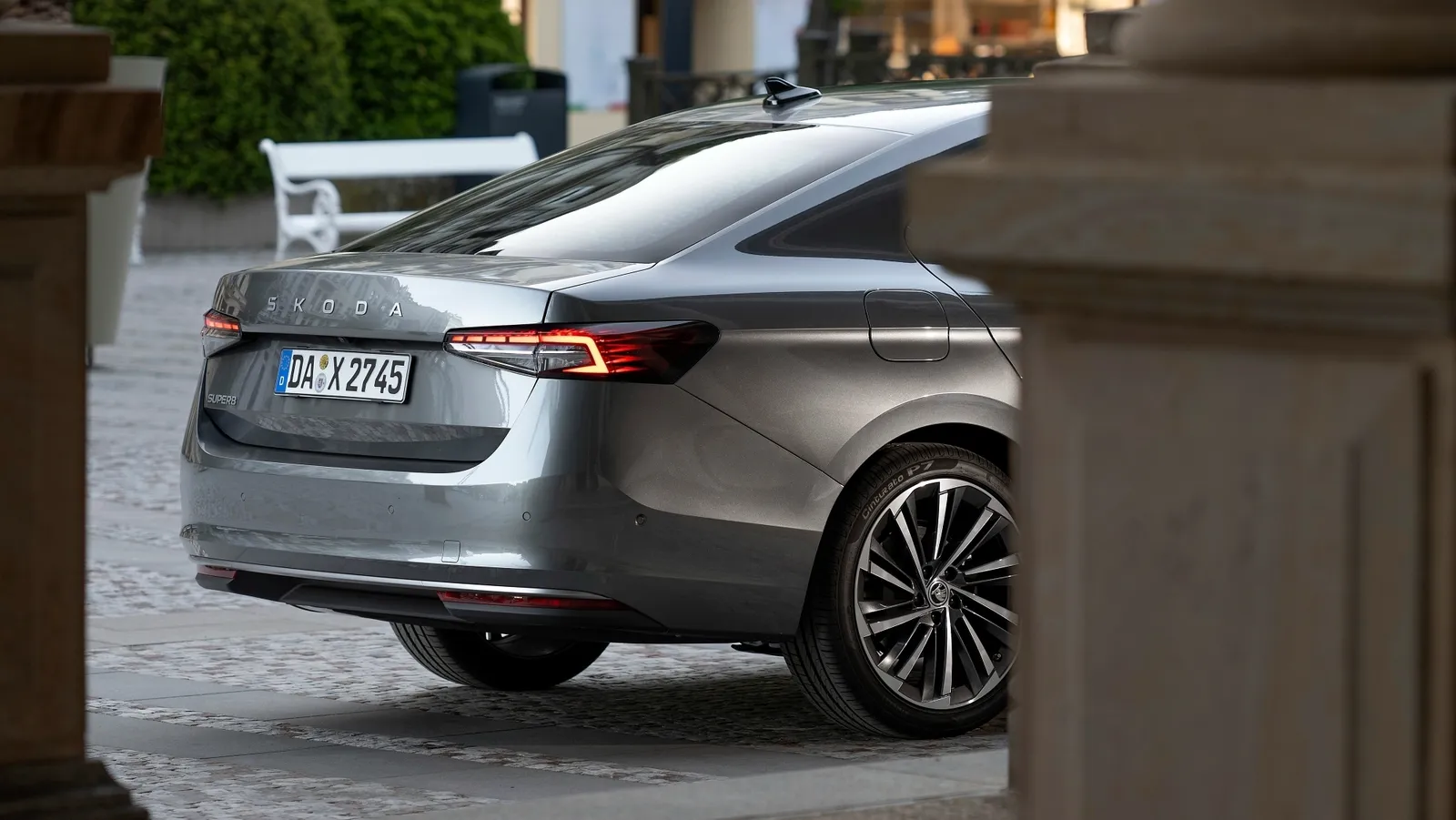
After selling 1,600,000 units in 25 years, Skoda’s best car will disappear much sooner than anyone expects.
08/09/2026 17:00
Updated to
08/09/2026 17:00
Although Skoda is currently the most profitable brand in the Volkswagen Group, it still needs to implement major changes in the short and medium term. The model restructuring within the Volkswagen Group is beginning to shape the future of some of the industry’s most recognizable names. Skoda’s CEO, Klaus Zellmer, has stated that the Skoda Superb is on the way out due to low demand for sedans and family vehicles. This decision also aligns with the German conglomerate’s massive optimization plan, which aims to reduce its model lineup by nearly 50% by 2035.
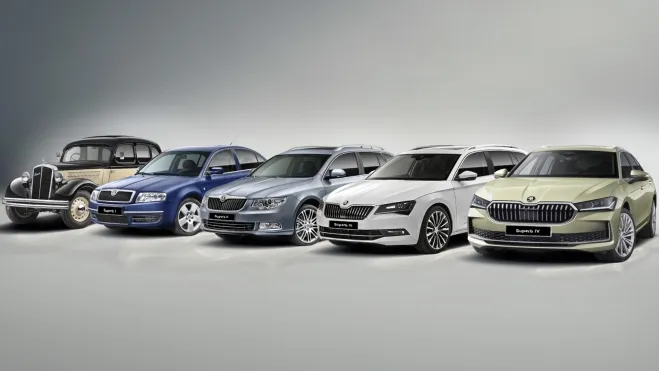
The Superb, introduced in the catalog in 2001 and having accumulated over 1.6 million registrations across its four generations, shares historical prominence with the Octavia, the true commercial pillar that has sold more than seven million units in 30 years. However, the integration of these two conventional sedans into a market increasingly leaning toward SUVs forces a reevaluation of the profitability of maintaining two large, three-volume family-sized variants simultaneously.
The SSP platform and size convergence with the Vision O concept
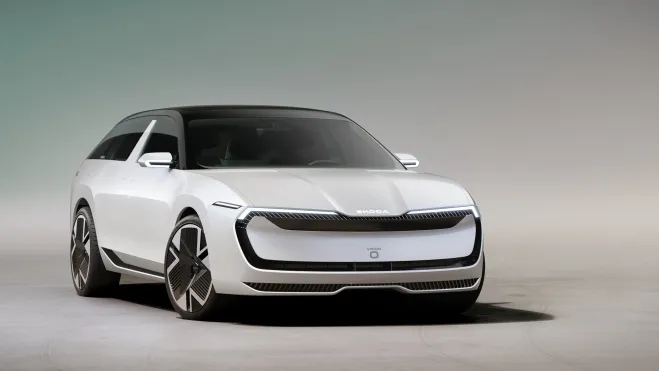
The key to this shift relies not only on low sales but also on the launch of the Skoda Vision O Concept, a prototype introduced about a year ago that previews the next generation of electric Octavia models before the end of the decade. Its development will be based on Volkswagen Group’s modular SSP platform, the same foundation that will power the future version of the Volkswagen Golf.
In terms of chassis size and dimensions, the Vision O falls somewhere in between the current Octavia and the Superb. The flexibility of the SSP architecture allows for adjustments to wheelbase and track width to bring it closer to the dimensions of the flagship model. This capability has led the company’s engineers to explore whether it is feasible to serve both market segments with a single versatile vehicle, thereby avoiding duplicate development efforts for traditional body styles.
Extended-range engines as an alternative to electric power
Although the Vision O prototype was initially unveiled as a 100% battery-powered electric vehicle, the Czech brand isn’t ruling out hybrid propulsion options. Given the slower adoption of electric vehicles in various European markets, Skoda is considering integrating an extended range electric vehicle (EREV) system as a viable alternative within this architecture. Volkswagen already uses this solution in China with the ID. Era 9X, its first EREV model.
This approach would allow extending the commercial lifespan of combustion engine technologies while finalizing the industry’s transition toward full electrification, a shift originally set for 2035 by zero-emission regulations in the European Union and the United Kingdom.
Industrial role allocation within Volkswagen Group
The gradual withdrawal of the Superb aligns with closer coordination among the subsidiaries of the automotive conglomerate. The shared strategy aims to prevent sales cannibalization by assigning specific roles to each manufacturer. Thus, while Volkswagen takes the lead in developing affordable urban electric vehicles based on the MEB platform, Skoda focuses on larger models such as the recently introduced Peaq, the group’s only seven-seater electric SUV for the mass market.