
Having narrowly avoided bankruptcy, Wallbox stops manufacturing in the U.S. and will produce all its electric vehicle chargers in Spain.
09/09/2026 16:00
Updated to
09/09/2026 16:00
Wallbox, the world’s leading Spanish company for electric vehicle chargers, overcame an insolvency proceeding last April, which provided some breathing room to continue operating. However, it needs to optimize its resources to secure its survival, which is why it made a significant strategic decision. To ensure long-term sustainability, it has halted production at its factory in Arlington, Texas, to focus all of its manufacturing capacity on facilities in Barcelona.
This move reverses the strategy of the New York Stock Exchange-listed company by 180 degrees. Following a period of high economic tension during which the firm nearly reached a critical point, this shift is not due to reduced interest from its American customers, but rather to a plan aimed at cutting fixed costs, optimizing assembly processes, and protecting its operating margins.

Financial pressures and changing market conditions: the reasons behind the industrial shift
The opening of the Arlington factory in 2022 was designed as a cornerstone to meet the demand of a U.S. market that drove the company’s global expansion thanks to federal subsidies and the rise in electric vehicles. However, the slowdown in the adoption of electric mobility and rising operating costs in North America strained the company’s finances almost as quickly as its growth.
Wallbox has faced critical moments due to significant operational losses and rapid cash depletion. In response to this imminent risk, the management team decided on asset restructuring. Closing the American plant allows for substantial cuts to ongoing expenses, and it enables consolidating the entire supply chain under the company’s technological infrastructure located in the Barcelona Free Zone, near the facilities where another Spanish company, SEAT, is also experiencing uncertainty.

This productive focus aims to utilize the installed capacity in Spain, which has remained underutilized following investments made in previous years, thereby achieving scale economies that cannot be replicated by operating just two production centers.
Barcelona, a charging hub for the global market
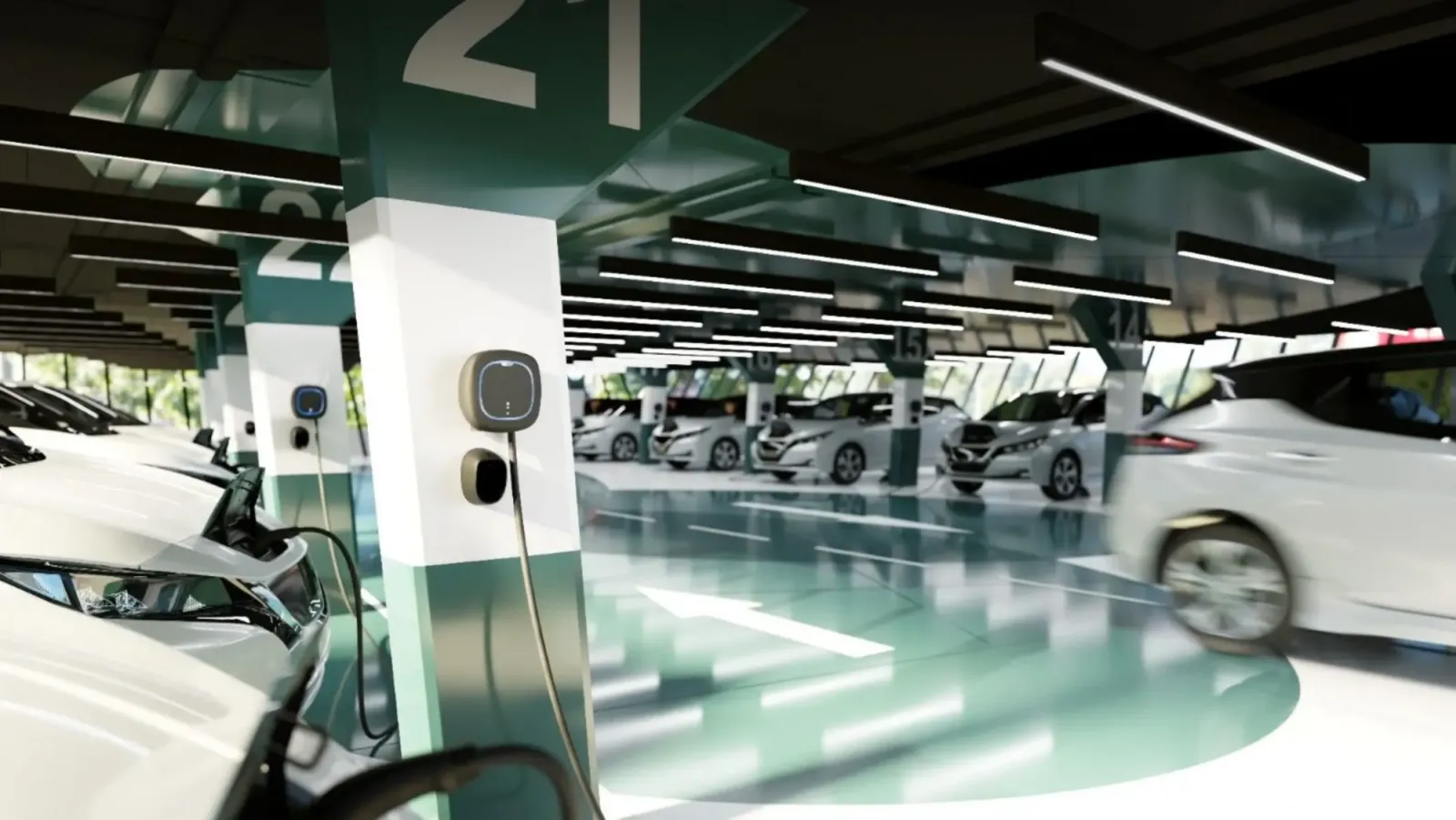
By centralizing production at the Barcelona facility, the Free Zone plants become the brand’s sole factory responsible for supplying both European markets and exports to the Americas and Asia. The Catalan factory features automated processes and vertical integration that enable it to handle the total volume of orders, including household alternating current (AC) chargers and fast-charging direct current (DC) stations for public and corporate use.

From a technical and logistical standpoint, consolidating assembly in one location simplifies component tracking, quality control on production lines, and supplier management. Keeping production integrated in Spain allows the company to adjust manufacturing according to demand fluctuations in the various countries where it operates, avoiding fixed costs associated with maintaining duplicate industrial infrastructure.
Despite shutting down its assembly lines in the United States, the brand will maintain its commercial presence and distribution network in that country. Devices intended for the North American market will be exported directly from Spanish production lines, with their configurations adjusted to meet the specific certification requirements of the U.S. electrical grid, such as a frequency of 60 Hz and SAE J1772 and NACS connector standards.
The challenges of charging infrastructure in a highly competitive market
The Wallbox movement reflects the challenges faced by the auxiliary industry in electric mobility. The sector of home and professional charging stations has entered a phase where profit margins have narrowed significantly due to the entry of Asian competitors and the vertical integration of automakers, who now sell their own charging equipment.
The success of Wallbox’s new phase will depend on its Spanish plant’s ability to maintain competitive costs without sacrificing the technological innovation that defines its products, such as dynamic charging management, bidirectional charging systems (V2G/V2H), and the integration of energy management software for smart grids. The decision to focus on Spain is a calculated step to improve financial health, stabilize the business, and compete with greater financial strength.