
After ruling out full electrification, Bentley CEO Frank-Steffan Walliser confirms the commitment to "mechanical flexibility
27/09/2026 10:15
Updated to
27/09/2026 10:15
Bentley had a fairly clear roadmap just a few years ago. In 2020, it announced that it would abandon internal combustion engines by the end of the decade, later pushing back that goal to 2035. Now, the British company has decided to go further by dropping a specific deadline in order to fully become a completely electric brand.
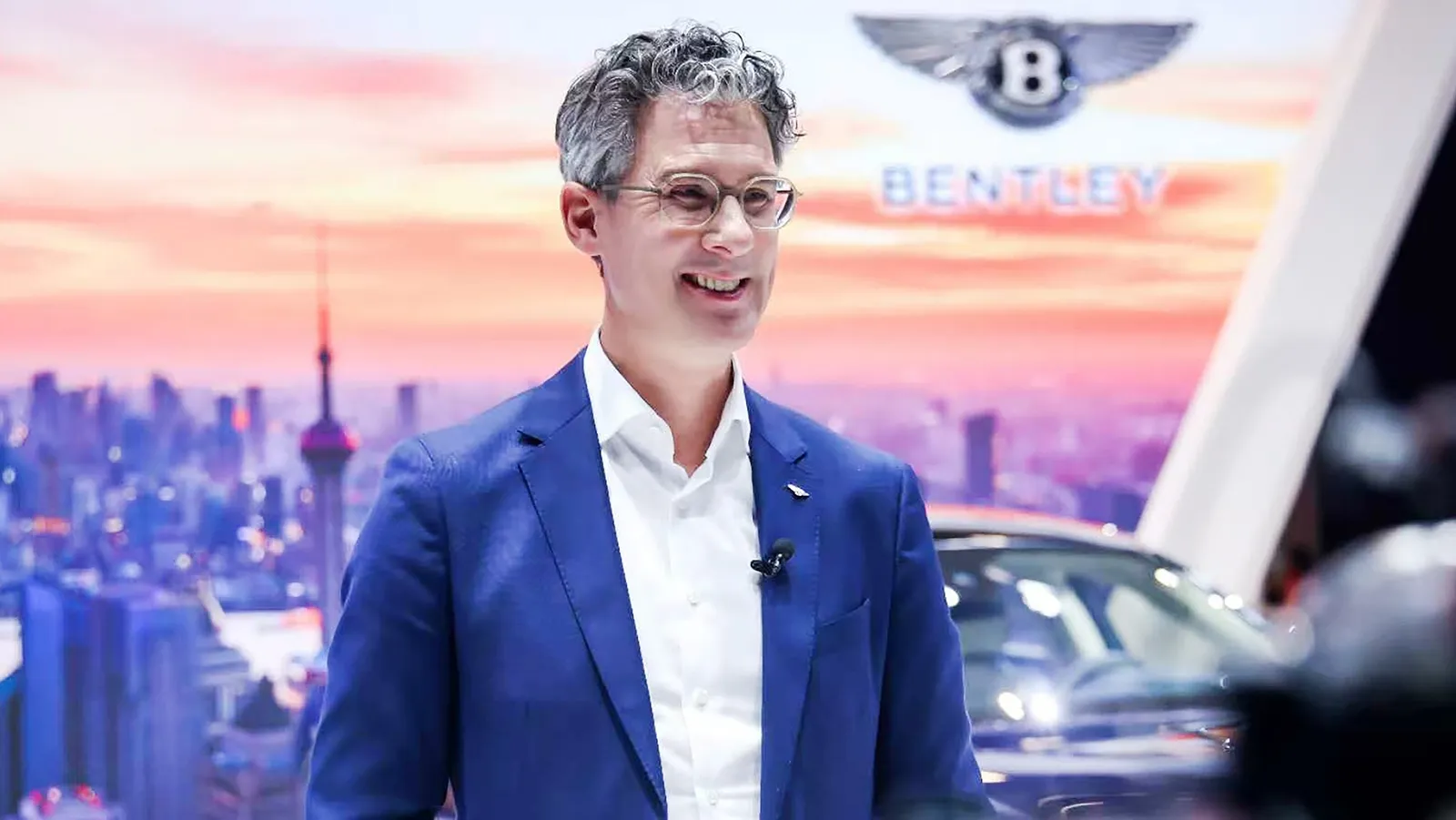
Bentley’s CEO, Frank-Steffen Walliser, explained in an interview with Autocar that the strategy must adapt to a market that is much less predictable than expected. “We need much more flexibility,” he said. The company will continue developing electric cars, as well as plug-in hybrids, and will keep offering different propulsion systems as long as there is demand and the regulations permit it.
"Predictable planning no exists anymore"
Walliser acknowledges that the plans made years ago no longer fit the current situation. Demand for luxury electric vehicles has grown more slowly than expected, and regulations are also evolving. "In the past, you would create a 10-year plan and just stick to it," explains the CEO, recalling that brands operated in a relatively stable environment back then. "That’s not the case anymore," he added.
Bentley’s response will be to abandon overly rigid strategies. Walliser even jokes that he’s sure regulators come up with “new ideas every week.” Rather than committing to another deadline for phasing out internal combustion engines, he wants the company to have the flexibility to respond quickly to both customer preferences and potential regulatory changes.
This will have direct consequences for its factories. Bentley plans to prepare its facilities to produce electric and plug-in hybrid cars on the same production line, allowing it to adjust the allocation of output based on demand. The company has already invested 350 million pounds in adapting the Crewe plant to manufacture electric vehicles and internal combustion engine models sequentially.
Electric and plug-in hybrid cars will coexist for longer
Flexibility will also apply to the development of new vehicles. Bentley has managed to reduce the time needed to create a car to approximately 48 months, and Walliser aims to cut this even further to just 36 months. This would be a similar timeframe to that used by Volkswagen and would allow for much quicker responses to technological, regulatory, or demand changes.

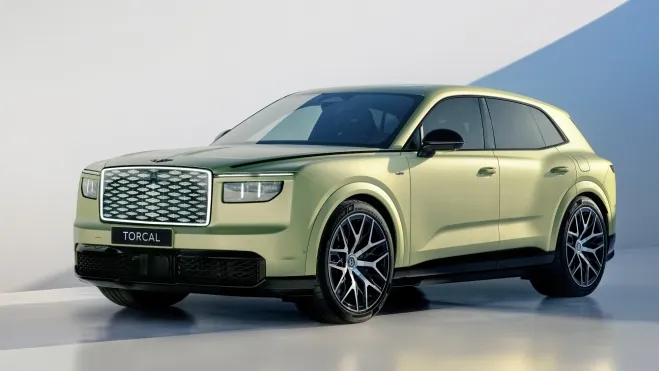
That doesn’t mean Bentley is giving up on electric cars, as it has just unveiled the Torcal, its first fully electric model, boasting a range of over 600 km and a starting price of around 200,000 euros. However, it will be the only new electric vehicle Bentley releases in this decade. The next one isn’t expected until after 2030 and will likely use an evolved version of Volkswagen Group’s future SSP architecture.
Plug-in hybrids will gain prominence in the meantime. The Torcal will not have a hybrid version because its PPE platform is developed specifically for electric cars, and Walliser also wants to avoid overlap with the Bentayga. "I really want to maintain the identity of each product," explains the executive. The strategy will therefore be to offer different technologies within the range, but not necessarily multiple mechanics in each model.
Bentley has shifted from a strategy with a clearly defined deadline for abandoning internal combustion engines to one that avoids committing to a fixed timeline. Walliser perfectly captures the reason by saying, “Predictable planning has honestly disappeared, and I don’t think it’s going to return.” For Bentley, the priority is no longer meeting a specific date but rather having plug-in electric and hybrid vehicles available while being able to quickly adjust production based on market demands and regulations.