
After 10 years of anticipation, Tesla is delaying (again) its autonomous driving system and clarifying where it can be used.
25/10/2026 17:30
Updated to
25/10/2026 17:30
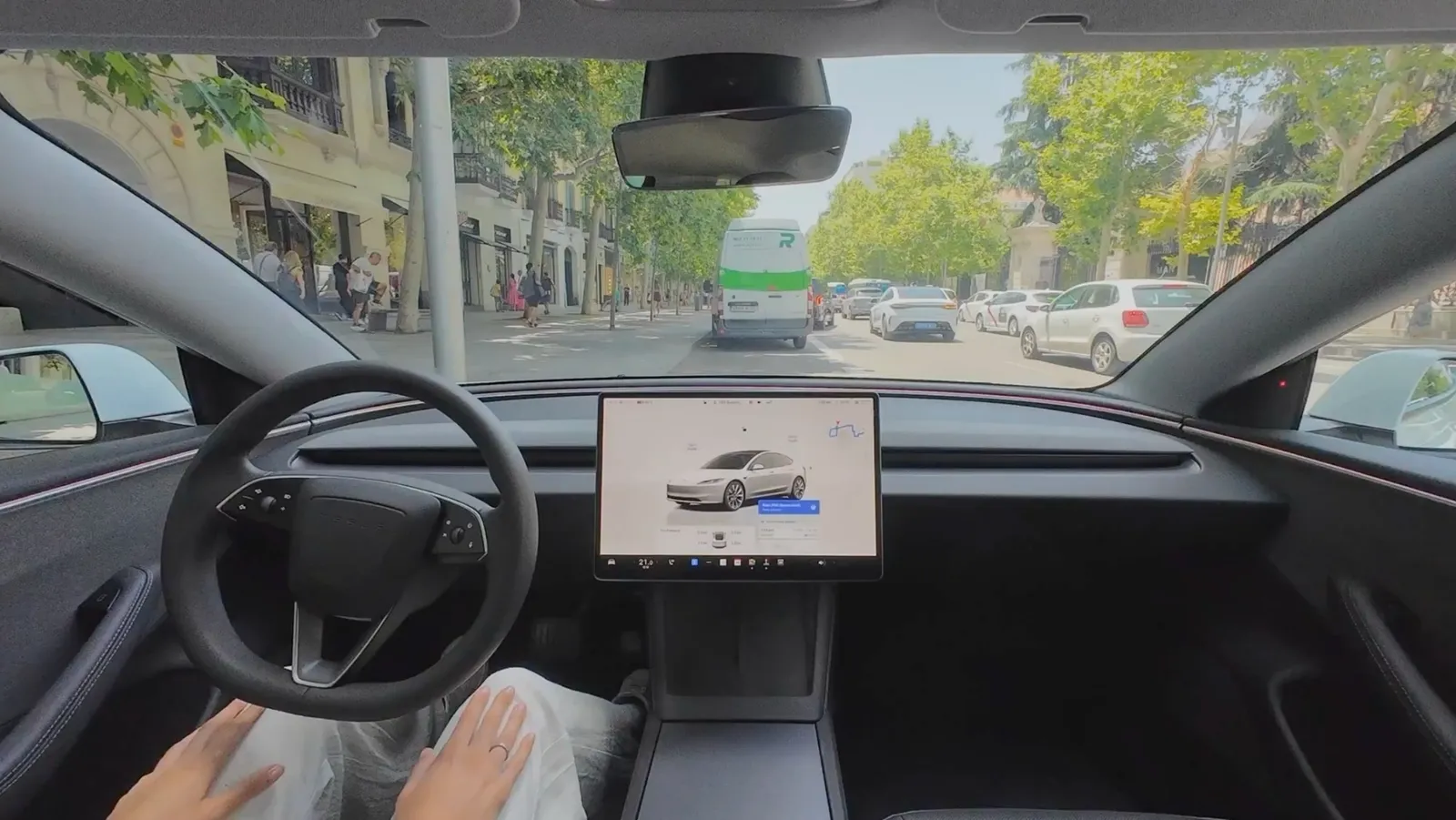
Tesla has been selling FSD (Full Self-Driving), its autonomous driving system, since 2016, promising that one day the car would drive us anywhere by itself. After over a decade of waiting, that promise now has a new deadline: the second quarter of 2027.
This was announced by Ashok Elluswamy, the company’s head of artificial intelligence, during the presentation of third-quarter 2026 results. It should be clarified that what was just announced is not an update that will turn every Tesla into an autonomous vehicle, but rather the option for owners to add their cars to the Robotaxi fleet managed by the company itself.
The question shareholders asked most often
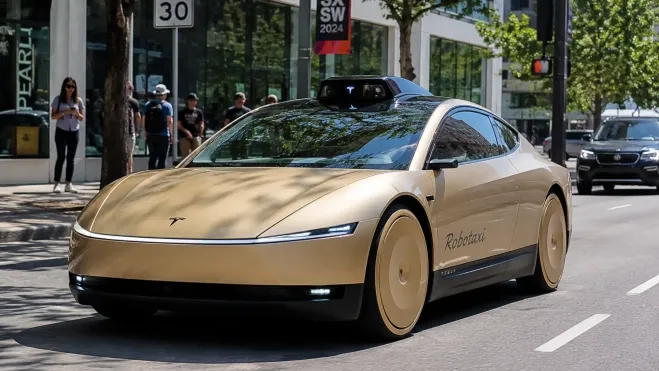
"When can we expect FSD without supervision in customers' cars?" was one of the most voted questions from small shareholders before the presentation, backed by about 1.1 million shares.
The answer was the second quarter of 2027. But the first step won’t be sitting in the back seat of a Model Y and sleeping while the car drives. It will involve handing over the car to Tesla’s Robotaxi network, which handles all operations. In other words, a private individual’s car will only drive unsupervised in areas where this service is already available, whether in cities or designated zones for such activity.
Small areas and quiet roads
Those areas aren’t very large. Tesla’s Robotaxi is currently operating in six metropolitan areas in the United States, and in most of them it covers only a portion of the city. In Miami, it is limited mainly to West Miami and an area extending toward Doral and Sweetwater. Orlando and Tampa also started with similarly small areas in July.
In those areas, the service follows slow routes, almost always avoids highways, and stays away from the most complex neighborhoods. In the San Francisco Bay Area, it doesn’t even operate without supervision: California law requires a safety driver, as Tesla refuses to hand over the data required by state traffic authorities for any system above level 2 autonomy.
The fleet is also small. Tesla claims its Robotaxi had accumulated nearly 3.2 million kilometers of driving without human supervision by the end of the third quarter, a month after the Cybercab joined Austin’s fleet. Independent counts this spring indicated that there were only a few dozen Tesla vehicles operating without drivers, far short of the hundreds of thousands Elon Musk had mentioned. Musk himself promised in 2025 that there would be two million autonomous vehicles by then. That figure is nowhere near being reached.
A goal that keeps changing
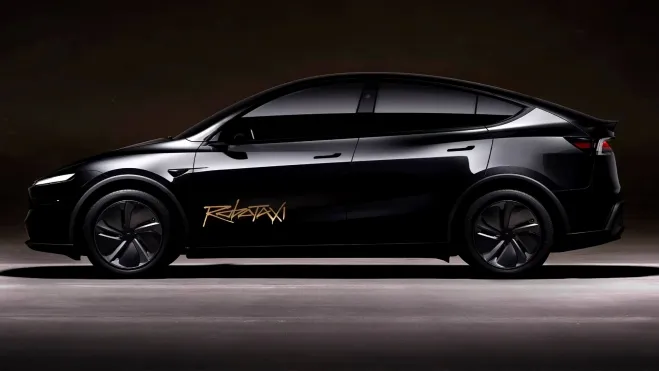
Elluswamy himself has acknowledged that safety is the bottleneck, which is why the service is limited to low-speed roads. However, he believes those issues will be resolved by next year, though he offered no guarantees. In July 2025, Musk told investors that FSD without supervision would be available “for personal use by the end of this year in certain areas.” A year earlier, he said it would “surprise him” if Tesla didn’t have it by the following year.
There is also a hardware issue. Owners with the Hardware 3 (HW3) platform who purchased FSD have been informed that their devices won’t be able to run the version without supervision, and there is no clear update plan. Meanwhile, Tesla reports 1.74 million active FSD subscriptions, a figure that includes cash purchases. Even if the deadline is met, the shift in product is evident. It moves from “your car takes you wherever you want while you sleep” to “your car can operate as a robotaxi in a small area controlled by Tesla.” There are no highway trips or airport rides, unless you live and work within those areas.
What about in Europe?
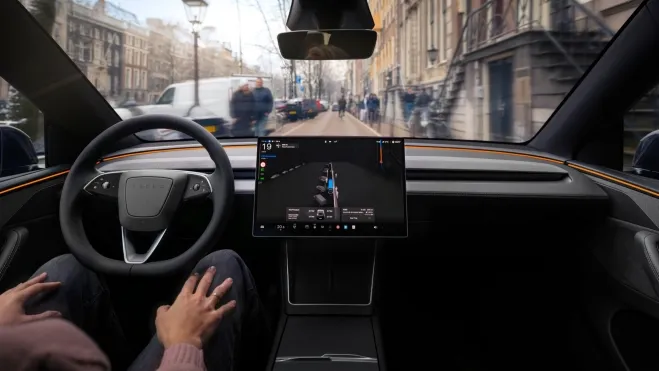
On this side of the Atlantic, the situation is different. The Dutch traffic authority (RDW) approved FSD (Supervised) on April 10, 2026, the first such authorization in Europe. It is an advanced level 2 system in which the driver remains responsible and must stay alert at all times. With unmonitored FSD limited to Robotaxi zones in the United States, there are no signs that we will be able to take our eyes off the wheel on our roads in the short term.