
Toyota steps off the asphalt with electric vehicles. The Woodland series showcases the automaker’s new face.
In the article:
Toyota showed at SEMA that electric cars, plug-in hybrids, or family minivans don’t have to be associated solely with roads
Five concept models from the Woodland series suggest what a more adventurous version of the Japanese brand’s electrified lineup might look like in the future
The bZ Woodland concept highlights Toyota’s expanding battery-powered vehicle portfolio
Toyota – time for the outdoors. The “electric” bZ is in the spotlight
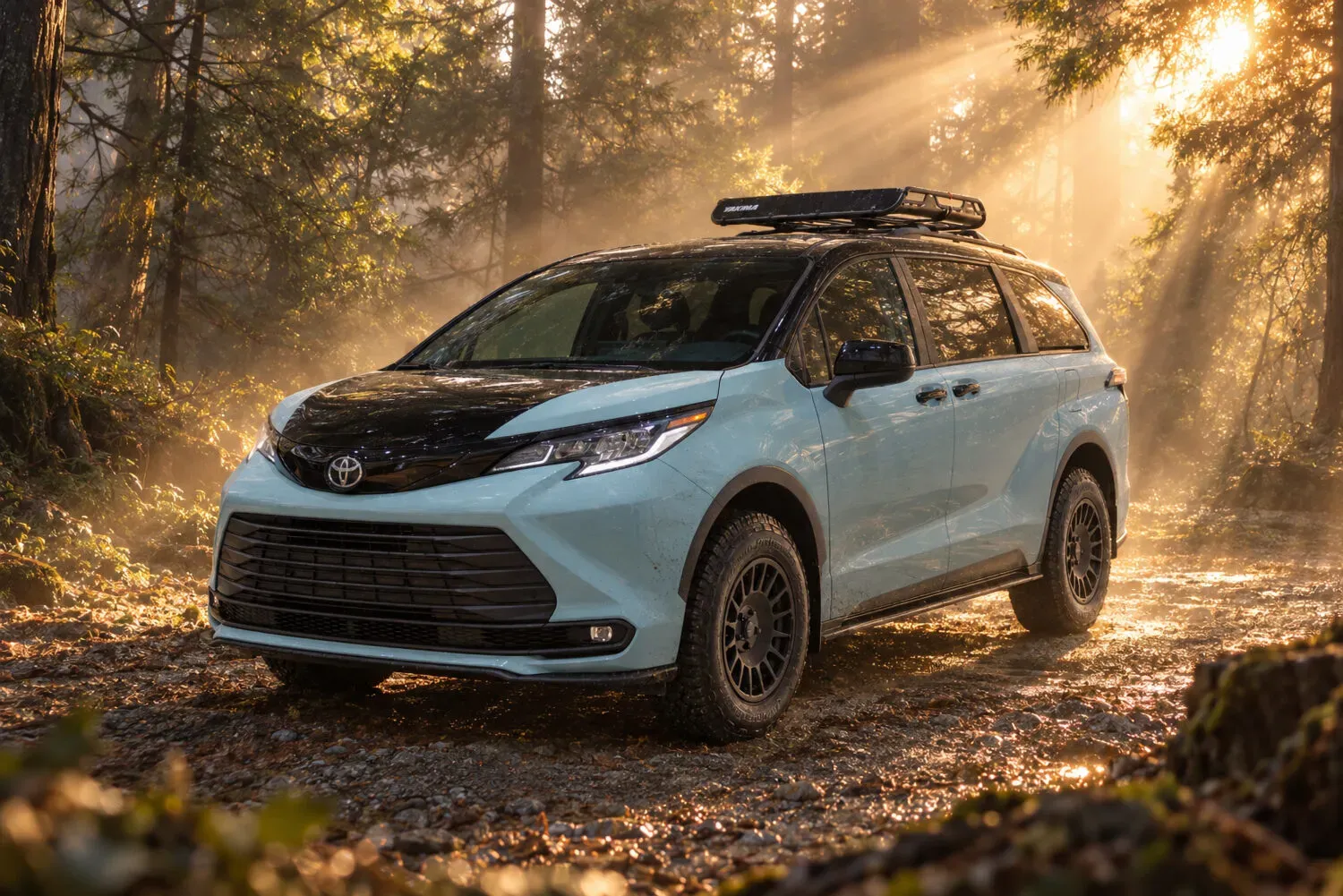
At SEMA 2026, Toyota unveiled five new concept vehicles from the Woodland series. They are based on the RAV4, Grand Highlander, Sienna, bZ, and Crown Signia models. All were developed in collaboration with the California-based CALTY Design Research, which is responsible for Toyota’s designs in the North American market.
The manufacturer itself emphasizes that the goal was to demonstrate how family cars and electric vehicles can gain a more adventurous character. As stated in the materials presented during the launch, the concepts are meant to show “how everyday cars can become more capable companions for adventures in nature,” meaning Toyota wants to expand its outdoor image beyond traditional SUVs and pickups.
One style for the whole family
All concepts received a common set of modifications. These included an elevated suspension, off-road tires, widened fenders, black wheels, roof racks, and crossbars for carrying additional equipment. A distinctive feature is also the Horizon Blue paint color, inspired by Toyota’s color palette from the 1960s, used in models such as the Stout, Crown, and Corona.
In practice, this means creating a stylistically cohesive family of vehicles, regardless of powertrain type or market segment. Toyota is showing in this way that an aesthetic associated with an active lifestyle can be applied to both minivans and electric cars — according to the Japanese brand’s materials.
bZ Woodland demonstrates the potential of the electric segment
The most interesting element of the exhibition appears to be the bZ Woodland Concept. This is the first clear indication that Toyota sees a role for electric vehicles beyond urban environments. The model features the same highlights as the other concepts, namely: increased ground clearance, off-road tires, and a more muscular body design.
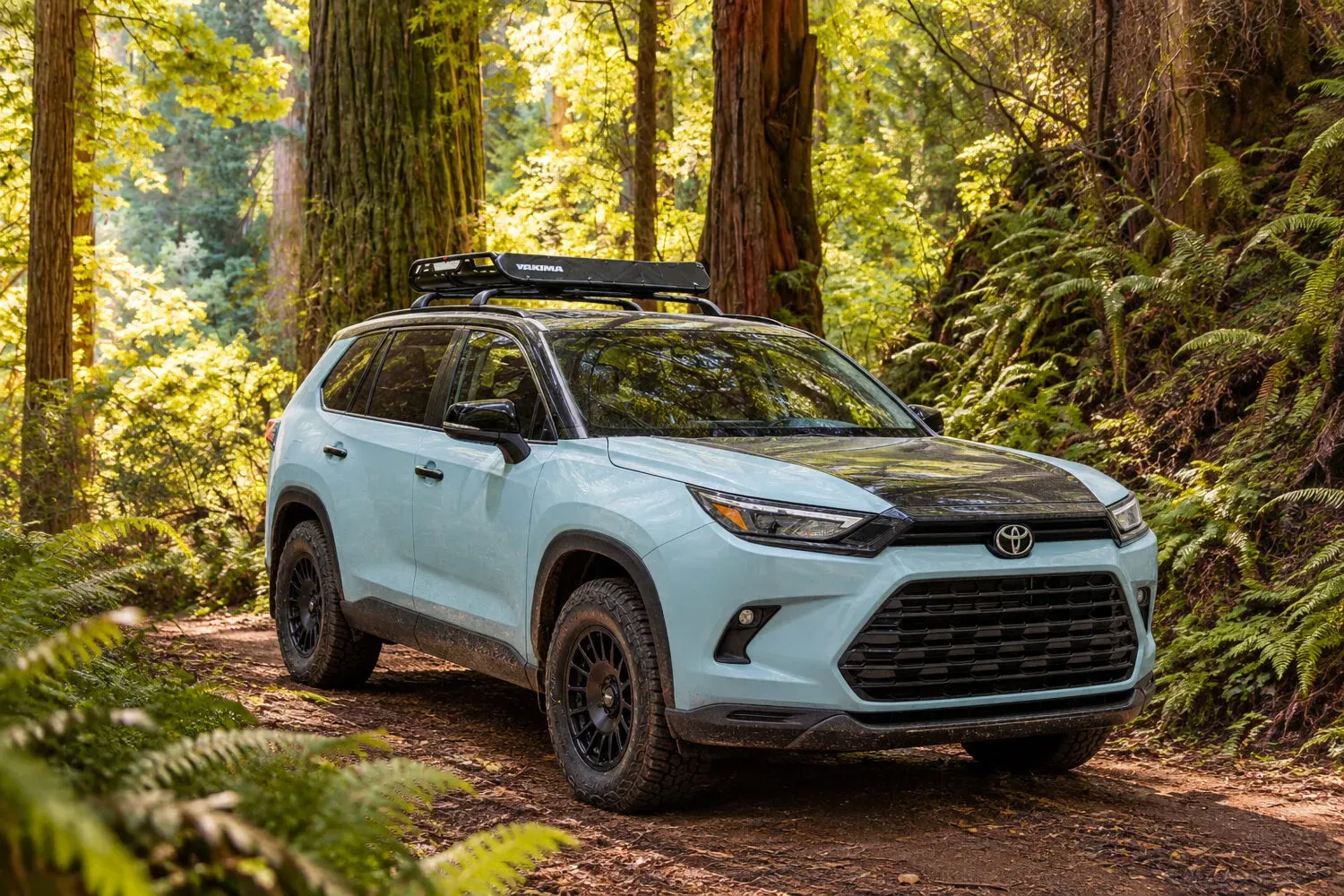
Importantly, the manufacturer has not disclosed any technical changes regarding the battery, range, or off-road capabilities. However, the vehicle’s appearance itself points toward the direction of market development, where electrification is increasingly linked to an active lifestyle.
Toyota: The Strength of Its BEV Portfolio
The bZ Woodland concept also highlights Toyota’s expanding portfolio of battery-powered vehicles. The Japanese automaker has been consistently developing the bZ lineup, demonstrating that electric vehicles can meet various customer needs. The advantage of this strategy is combining BEV powertrains with segments that were previously dominated by gasoline and hybrid cars, including more recreational-oriented crossovers. The Woodland bZ illustrates an approach where an electric vehicle is not presented solely as a means of transportation to the city, but also as a tool for pursuing passions related to travel and outdoor leisure.
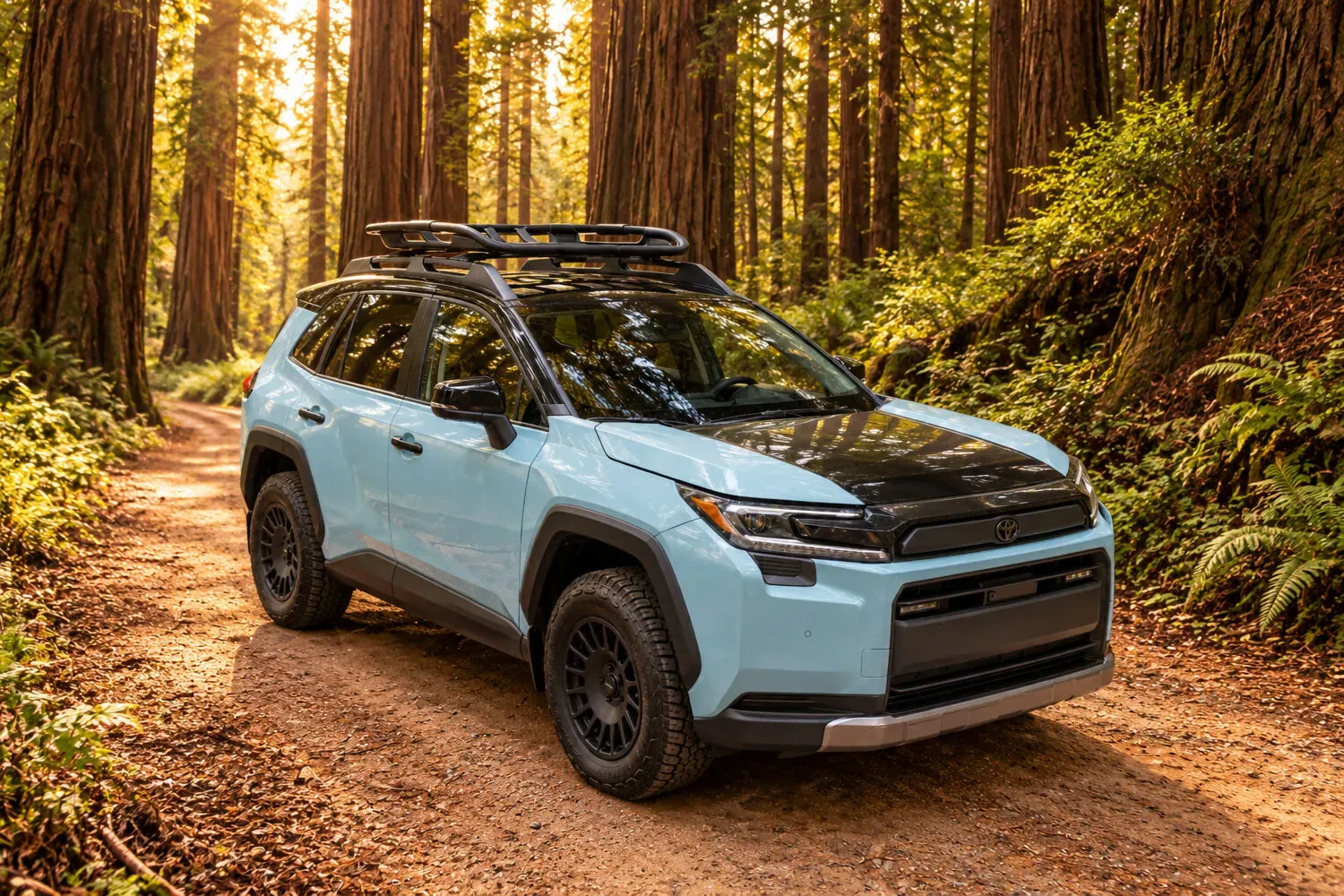
Will any of the concepts shown make it to production? Toyota has not confirmed this yet, but the presentation in Las Vegas indicates that the brand is seeking new ways to enhance the appeal of its electrified models and create an emotional connection around them.
Oskar Włostowski