
Toyota sees limits for electric trucks and promotes hydrogen powertrains
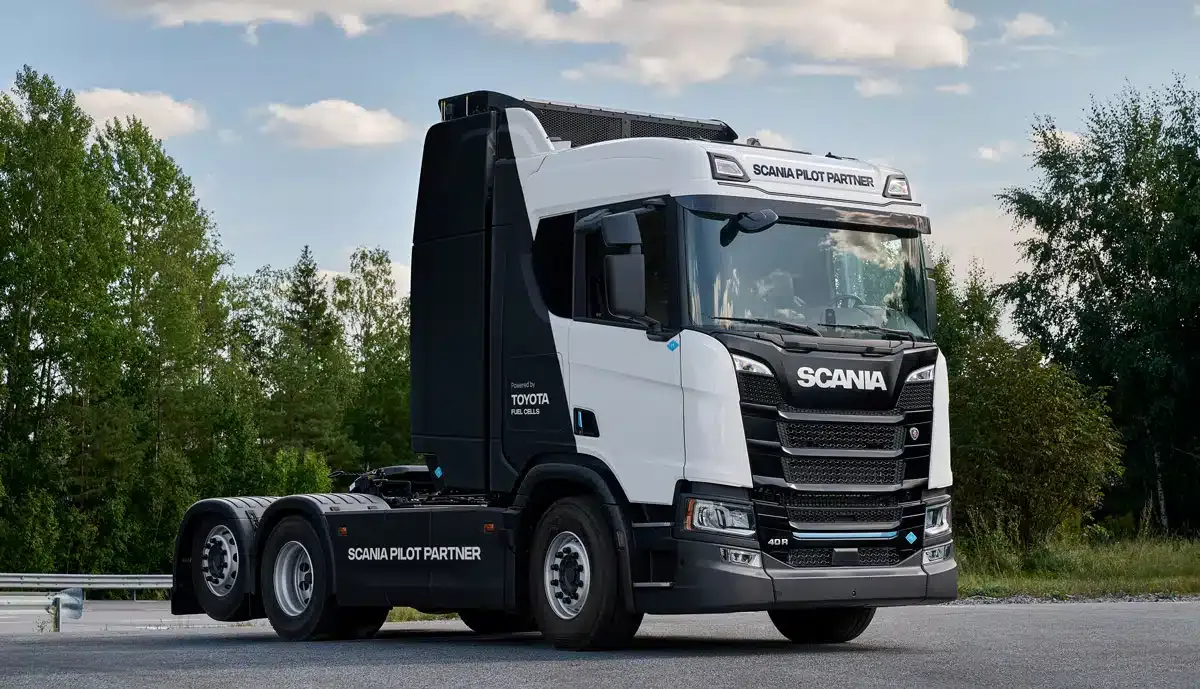
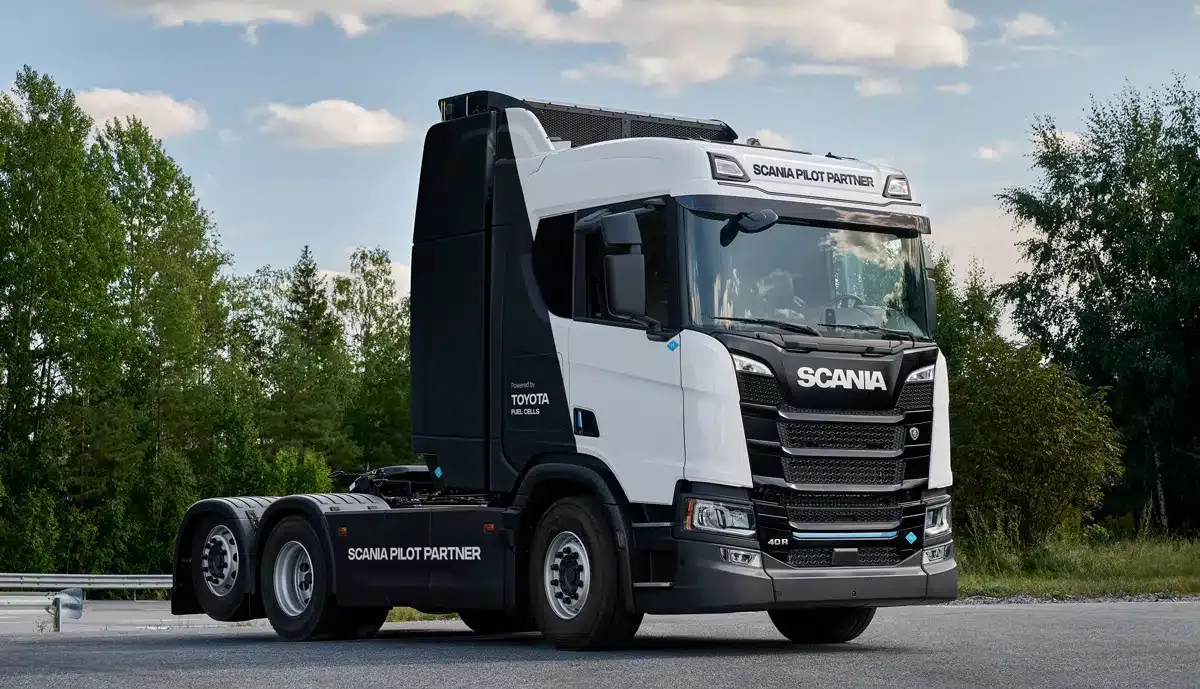
Image: Toyota (illustrative)
Toyota continues to rely on hydrogen fuel cells for European long-haul freight transport, seeing liquid hydrogen as an alternative to purely battery-electric powertrains. At a strategy meeting in Brussels, Toyota Europe manager Till Conrad cited calculations by Daimler Truck CEO Karin Rådström, according to the Edison portal. These calculations show that around six million diesel trucks in Europe consume approximately 60 million tons of fuel annually. Fully switching this fleet to battery-powered vehicles would require around 500 terawatt-hours of electricity per year, equivalent to Germany’s annual electricity consumption.
Stephan Herbst, Technical Head for Hydrogen and Fuel Cells at Toyota Europe, views battery and hydrogen propulsion as complementary technologies. Hydrogen enables the establishment of additional supply chains and a more flexible selection of international energy partners. Herbst sees particular advantages in cryogenically liquidated hydrogen, which allows for larger transportation volumes due to its higher density. While a conventional truck trailer can transport between 300 and 500 kilograms of gaseous hydrogen, a similar transporter using liquid hydrogen can carry around three tons.
Toyota also expects significant savings in operating fuel stations. Working together with partners like Bosch Rexroth, the manufacturer is developing cryo-fuel stations that use hydrogen delivered at very low temperatures. According to Herbst, conventional hydrogen stations require about three kilowatt-hours of electricity per kilogram for compression and cooling, whereas the Bosch-Rexroth solution is said to need only 0.3 to 0.5 kilowatt-hours. This could lead to substantially lower operating costs compared to large fuel stations for gaseous hydrogen.
Another argument in favor of hydrogen is the limited capacity of European power grids. Herbst reports that transport companies in the Netherlands may only be able to convert part of their truck fleets to battery-powered vehicles starting in 2035 due to a lack of grid connections. Therefore, Toyota relies on complementary hydrogen infrastructure, whose cost-effectiveness is intended to benefit mainly heavy commercial vehicles.
While the Toyota Mirai passenger car consumes about one kilogram of hydrogen per 100 kilometers, a heavy long-haul truck requires seven to eight kilograms according to Herbst and operates almost continuously in shift work. The current hydrogen price at filling stations is between ten and 16 euros per kilogram, according to the manager, with a target of six euros. Toyota expects the overall costs to even out within the next five years.
Toyota offers its fuel cell technology as a modular system for various vehicle classes. In addition to collaborating with BMW, which aims to produce joint production vehicles starting in 2028, Toyota supplies fuel cell systems to Daimler Buses and works with Daimler Truck, Volvo, and Scania on heavy commercial vehicles.
Herbst identifies European regulations requiring refineries to purchase green hydrogen as a key factor in expanding the hydrogen market. He also points to developments in China, where, according to him, more than 30,000 fuel cell trucks are already in use. Herbst warns that Chinese manufacturers could increasingly enter the European market with their systems within about five years. He therefore calls for Europe to act more swiftly in advancing fuel cell technology.
Also interesting
About the author
Thomas Langenbucher is an expert in electromobility with experience in the automotive and financial industries. Since 2011, he has been covering electric vehicles, sustainable technologies, and mobility solutions for ecomento.de. Learn more.
Reader interactions