
Toyota wants Europe to consider zero emissions for some models with internal combustion engines
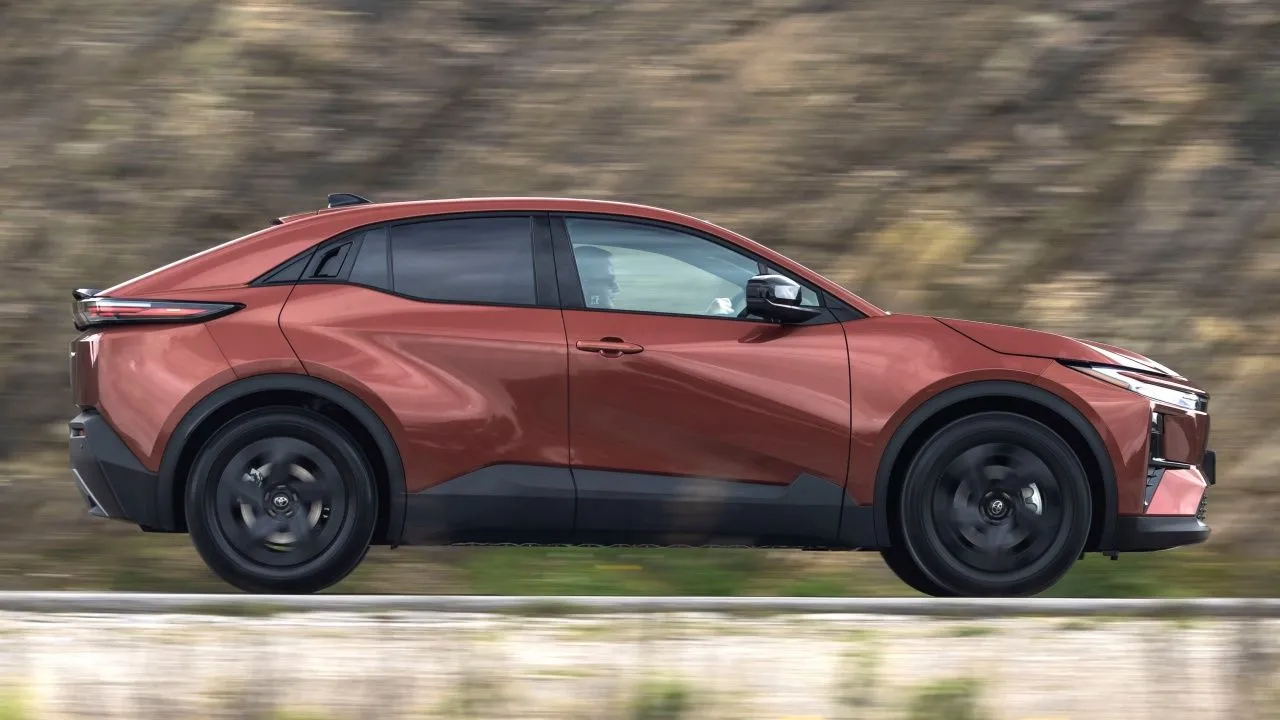
Toyota wants the European Union to be more flexible with its emission reduction targets. Among other things, the Japanese company aims for some internal combustion engine models to be classified as zero-emission vehicles... as long as they use synthetic fuels. This approach has been abandoned by most manufacturers due to its low energy efficiency, scaling issues, and high costs.
It’s worth recalling that the European Commission proposed last year a 90% reduction in average emissions by 2035 compared to 2021 levels. France and Germany recently reached an agreement (which still needs approval from the European Parliament) stating that manufacturers do not have to take compensatory measures for the remaining 10%.
Toyota is going a step further, as it wants vehicles powered by certain types of renewable fuels to be classified as zero-emission. Although the Japanese company is heavily investing in electric cars for the European market through models like the C-HR+, it continues to support traditional propulsion systems simultaneously.
On another front, Toyota also wants Europe to include commercial partners such as Japan, the United Kingdom, or Turkey (countries where some of the models it sells in Europe are produced) within its future “Made in Europe” standards. The brand aims to achieve a 70% European content target within three years... under one condition.
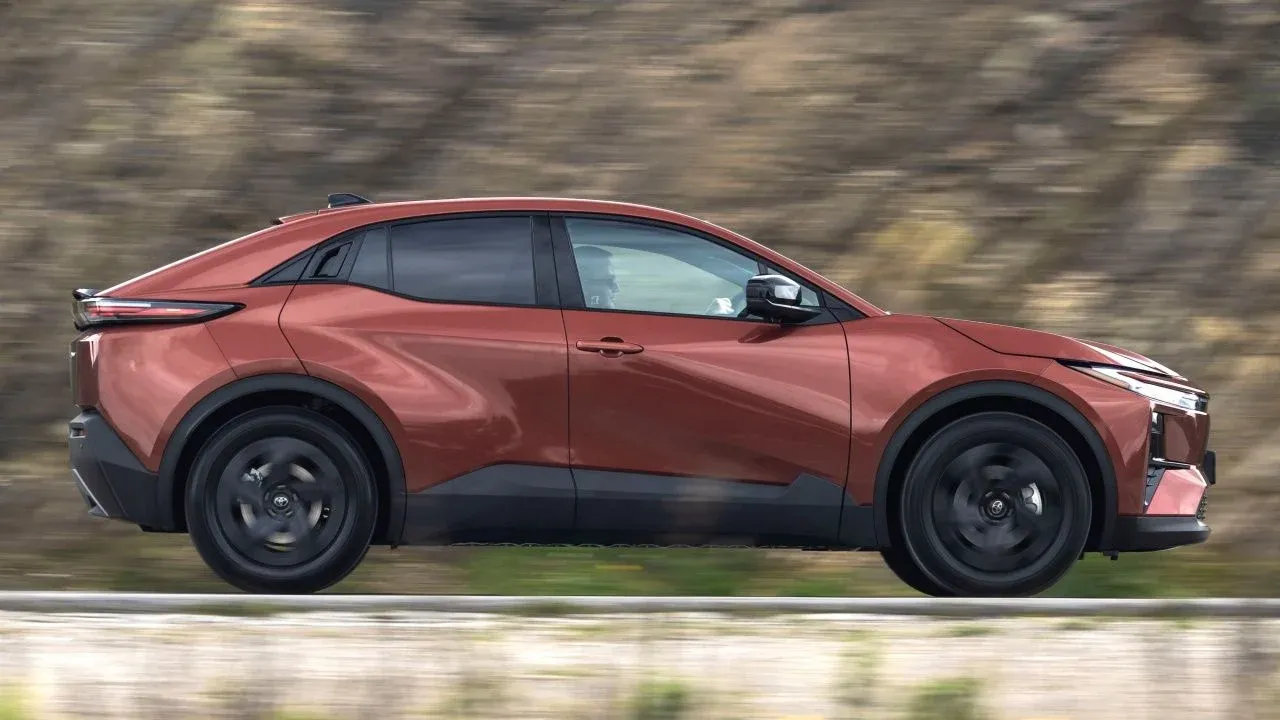
Toyota calls for greater flexibility in 'Made in Europe' rules
The Japanese giant believes that engineering, research and development, as well as final assembly, should be taken into account in future 'Made in Europe' standards, not just the origin of components. "Toyota is not a stranger in Europe. We are a European manufacturer and we want the European automotive industry to succeed," says Yoshihiro Nakata, president and CEO of Toyota Motor Europe.
"Isolation weakens us. Europe has the capabilities, talent, and trusted partners needed to lead this change. However, legislation must reflect customers’ willingness and ability to adapt to this transformation. 'Made in Europe' is our priority, because together we are stronger," said Matt Harrison, CCO of Toyota Motor Europe.
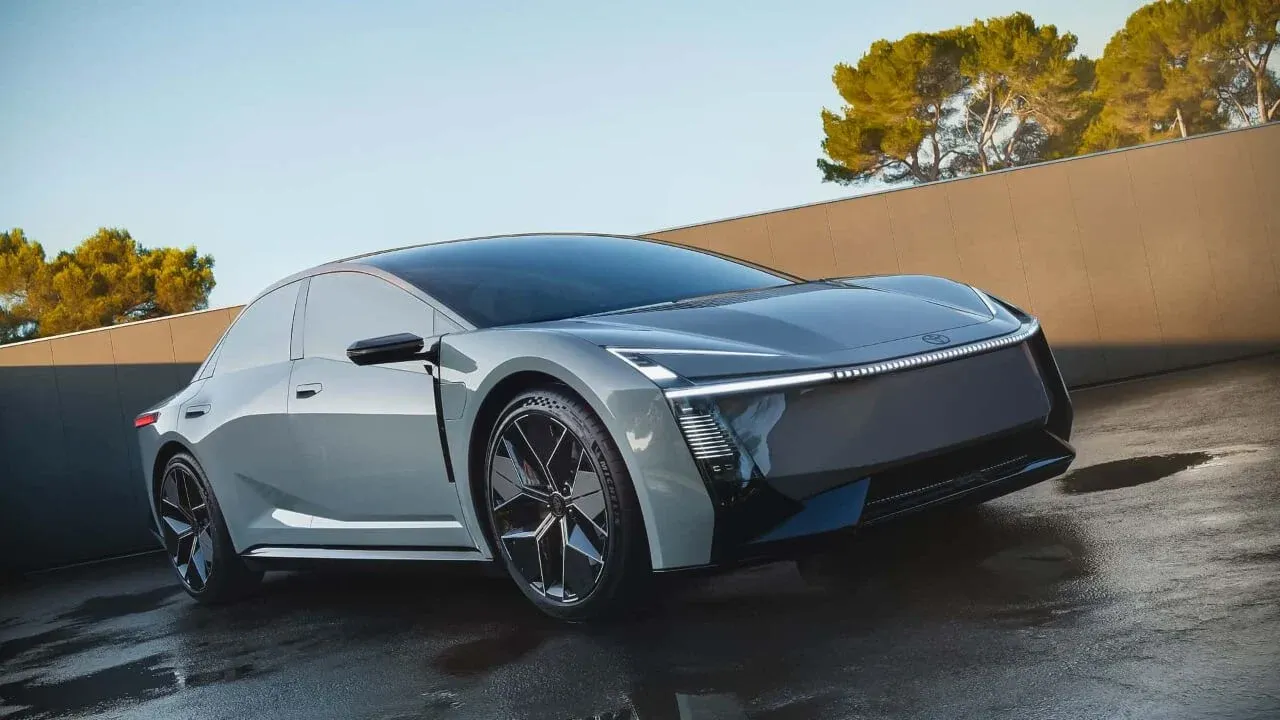
Despite the impending electrification of models such as the Yaris and Corolla, Toyota estimates that electric car sales in Europe will be around 45% by 2030, compared to the 55% target set by the European Union. Therefore, it is seeking greater flexibility from authorities by proposing a five-year compliance period (from 2028 to 2032).
Source | Automobile Propre