
Toyota will unveil a new driver-assistance system in 2028. It is set to be the Japanese version of FSD, with additional barriers.
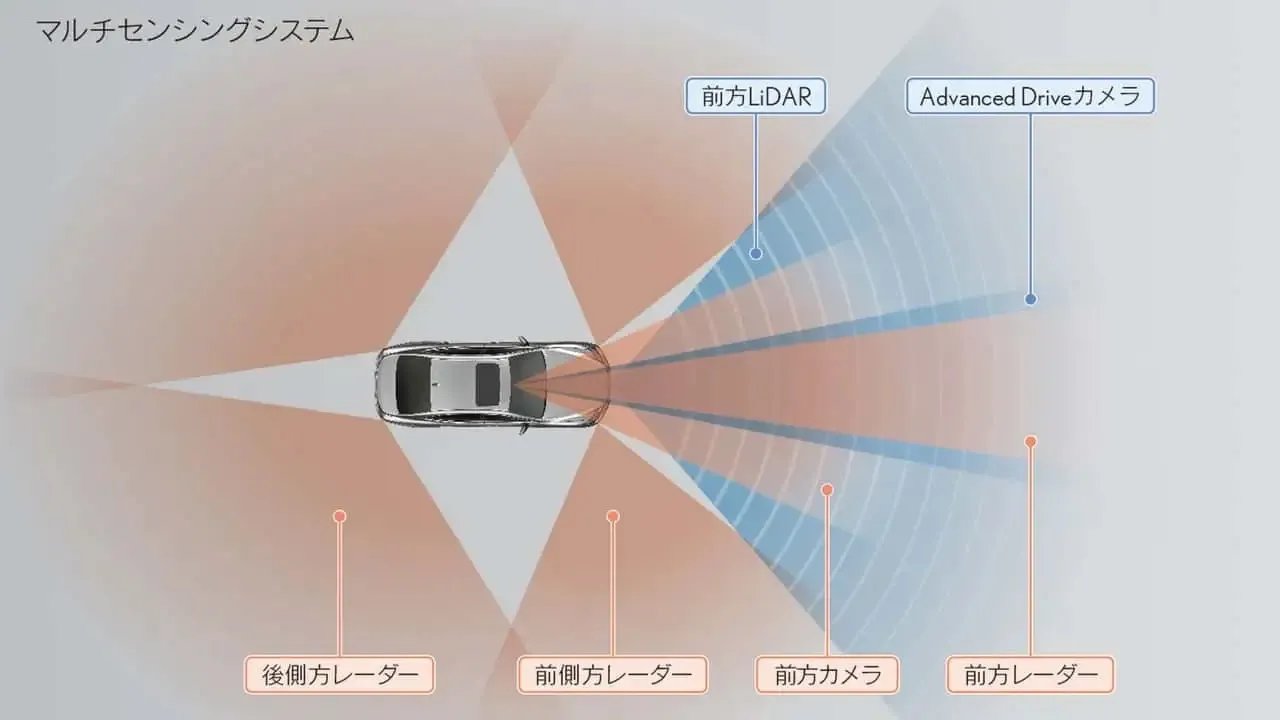
Toyota is preparing a new generation of ADAS for 2028, and according to Nikkei, it will be a system classified as “Level 2++” in marketing terms. Meanwhile, the Japanese company is discussing entering the robotaxi market with Waymo, with Japan aiming to have 10,000 Level 4 vehicles by 2030.
For drivers, this sounds simple: Toyota wants to offer point-to-point driving under human supervision, but without copying Tesla’s approach exactly.
Toyota Aims for “Level 2++,” But Responsibility Remains with the Driver
Today, Toyota offers adaptive cruise control, lane-keeping, lane-change assist, and automatic parking. The new system is set to go a step further and operate not only on highways but also in cities, similar to Tesla’s FSD Supervised.
The problem is that “Level 2++” is not an official SAE class. It’s a marketing term for solutions that lie between Level 2 and Level 3. At Level 2, the driver remains in control and monitors the vehicle at all times. At Level 3, they can take their hands off the steering wheel and eyes off the road, but must regain control when requested by the system.
This “in-between” status is convenient for manufacturers. The car does more tasks, but the driver remains fully responsible. Tesla has already faced legal battles over this, and Toyota seems unlikely to pursue a different approach to liability.
Akihiro Sarada from Toyota Software Development Center told Nikkei outright, “We’ll develop Level 4 technology from a technical standpoint, but offer it commercially as Level 2++.” He added, “We’ll proceed in a way that ensures both safety and explainability based on the technology.”
So technically they aim higher, but commercially they will sell it at a lower price. It’s safer for homologation and lawyers. For the user, there’s also a clear message: even if the car can do many things, the driver remains in control.

Not like Tesla. Toyota adds a “guardrail” to oversee the AI.
The most interesting difference lies in the system architecture. Tesla focuses heavily on an end-to-end AI approach, where one large neural network and a powerful computer handle the entire task. Toyota wants to add an additional security layer to the AI, called a “guardrail.”
The safety barrier is designed to monitor AI behavior and block unexpected decisions based on parameters set in advance by humans. On paper, this sounds more conservative than Tesla’s approach and more “Toyota-like.” There is less reliance on a black box, with greater control over what the system is allowed to do.
Toyota claims that such an approach could prevent around 60 percent of today’s fatal traffic accidents and injuries. That is a significant figure. For now, it remains just the manufacturer’s statement.
The new system is set to be installed in models from 2028, with expansion to more vehicles by 2030. It is not yet clear which markets will receive it first, but the U.S. seems like a likely candidate. Similar systems are already being developed there by Mercedes with MB.Drive Assist Pro and Rivian with Autonomy+.
The second topic is equally important. Toyota is set to discuss a partnership with Waymo that would mark its entry into the robotaxi business. There’s no timeline yet, but the direction is clear. This is especially true since Japan has already legalized Level 4 autonomy and aims to have around 10,000 Level 4 taxis, buses, and other vehicles by 2030. Commercial autonomous vehicles at this level are expected to appear there by the end of the decade.
If Toyota indeed implements these AI safeguards, it might result in a system that’s less impressive than Tesla’s, but one that’s easier to defend in the event of an accident. What do you think? Is a bold end-to-end driving approach like Tesla’s better, or is Toyota’s more cautious route superior?
Order your Tesla and take advantage of purchase bonuses using the referral link!
LovEV Newsletter
Want more content like this?
Sign up — we’ll send you a weekly summary once the newsletter starts.