
Toyota Hilux FCEV: the popular pickup will receive a hydrogen version in 2028
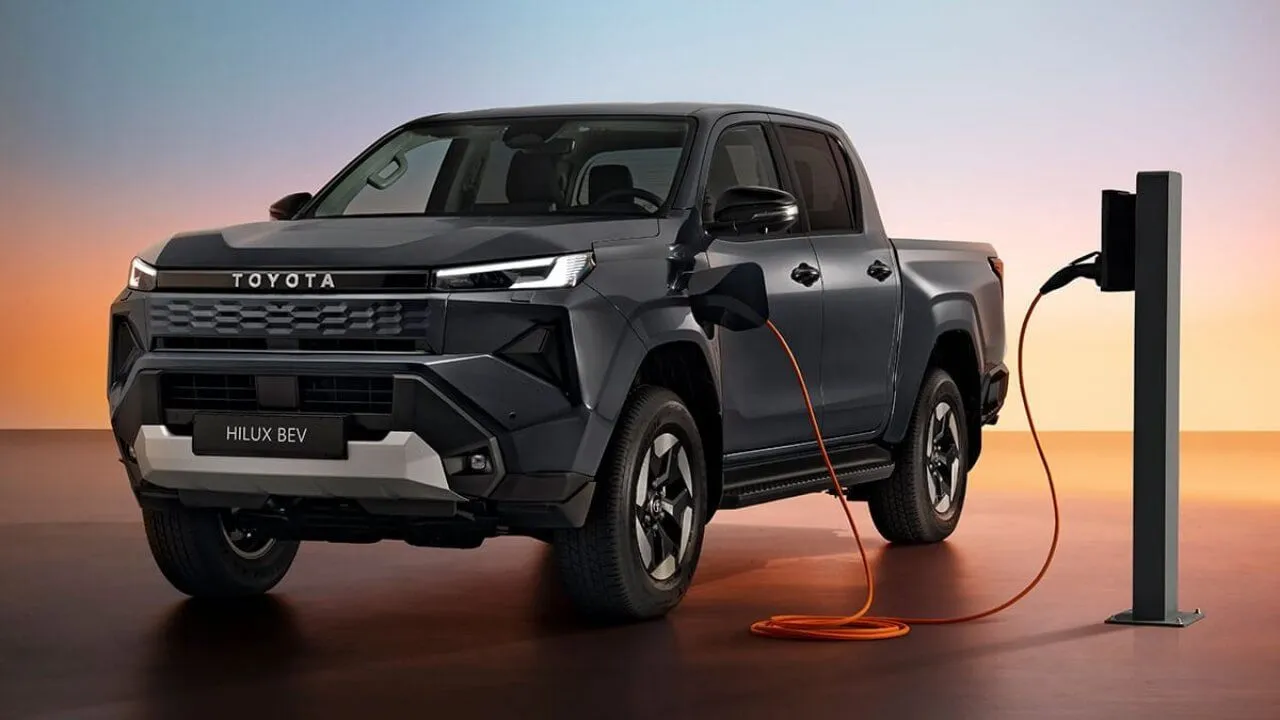
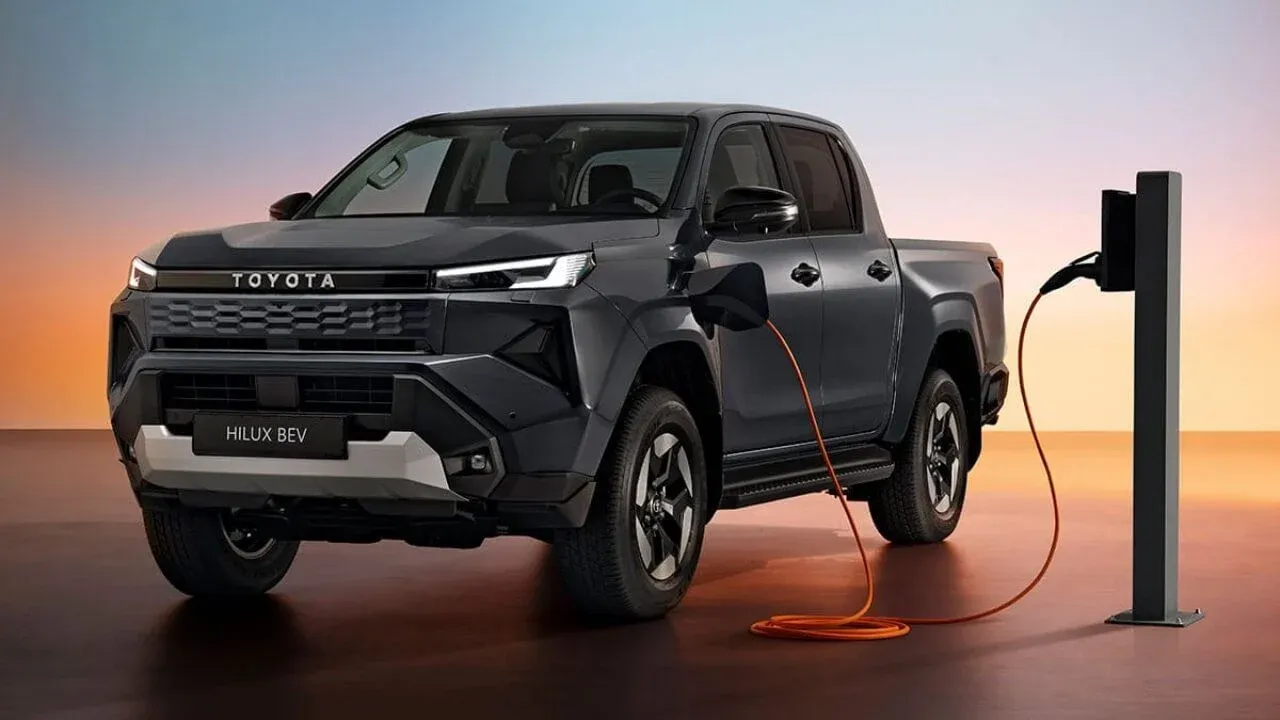
The current Toyota Hilux already has a battery-powered electric version, but it will soon also offer a variant with a hydrogen fuel cell, a technology the Japanese company has been investing in for years despite the light vehicle industry seemingly shifting entirely toward BEVs (Battery Electric Vehicles) over FCEVs (Fuel Cell Electric Vehicles).
The Hilux FCEV is set to become the first mid-size pickup with a fuel cell available on the European market. It will share many similarities with the already well-known Mirai, a sedan that stands out as one of the few cars currently on sale capable of running on hydrogen.
The main advantage of the hydrogen-powered Hilux over its electric version lies in its refueling time: 5 minutes, compared to 30 minutes it takes for the Hilux BEV to go from 10% to 80% charge. However, this advantage is diminished when considering that there are hardly any hydrogen refueling stations available in the European market today, while public charging points are numerous and continue to increase alongside electric car sales.
Its range will be around 400 km, exceeding the 257 km of its electric counterpart. Still, this isn’t an impressive figure, as there are already many vans (not pick-ups) capable of achieving a WLTP range over 400 km. Its price is currently unknown, but it wouldn’t be surprising if the FCEV version were significantly more expensive than the BEV (starting at 51,250 euros).
China and South Korea account for virtually all global FCEV sales
In 2025, Toyota sold a total of 1,168 units of its two hydrogen models, the second-generation Mirai and the Crown sedan. This represented a 39.1% year-on-year decline. Global FCEV sales, on the other hand, increased by 24.4%, reaching 16,011 units worldwide. This growth was partly due to a surge in sales in China in December, when some buyers decided to take advantage of the complete exemption from vehicle purchase tax for new energy vehicles before it increased in 2026.
These figures remain below those recorded in 2021 (17,474 units), 2022 (20,704 units), and 2023 (16,413 units), improving only slightly over 2024’s figure of 12,866 units. The slight recovery seen in 2025 was attributed to the launch of the second-generation Hyundai Nexo as well as the aforementioned year-end surge in China.
China accounted for 48.7% of global hydrogen vehicle sales, compared to 42.5% for South Korea. Europe accounted for 3.5%, Japan for 2.7%, and the United States for 2.3%. Will the new Hilux FCEV convince customers on the old continent? The trend in demand over recent years does not inspire optimism.
Source | InsideEVs