
Toyota wants certain gasoline cars to be recognized as zero-emission, just like electric vehicles. The new VEEF category
Toyota has proposed creating a new category for internal combustion engines: VEEF, or Vehicles Running Exclusively on Eligible Fuels, meaning vehicles that operate solely on approved fuels. Since they are powered by plant-based, renewable fuels, they should be defined as zero-emission vehicles, at least when considering the overall balance. In other words, Toyota wants internal combustion engines to be considered as clean as electric vehicles.
Toyota defends internal combustion engines
Toyota's proposal stems from concern for the European continent, which is struggling to meet emission reduction targets (source). By 2030, electric vehicles should account for over 55 percent of cars sold to keep Europe on track toward decarbonization, yet projections suggest they will only make up 45 percent. The gap between targets and actual performance will be even larger for commercial vehicles.
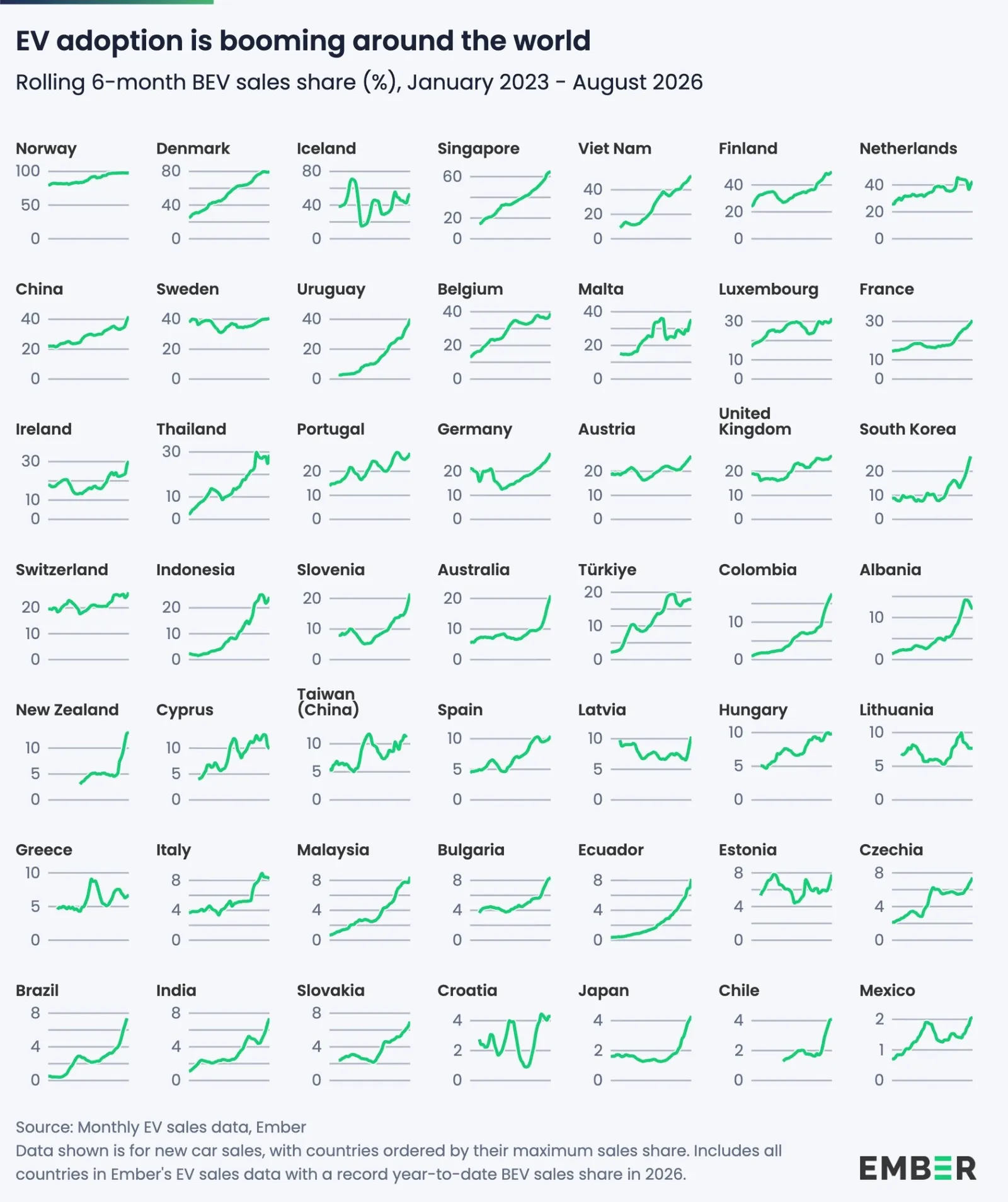
Share of electric vehicles in the new car market across various countries worldwide (c) Ember
Therefore, the Japanese manufacturer proposes that certain internal combustion engines be considered zero-emission, meaning they do not emit carbon dioxide overall. They would need to run on fuels defined according to the criteria set out in Renewable Energy Directive III, such as gasoline produced from biomass. They would not function on fuels of other origins. The advantage is that there is no need for major modifications to existing internal combustion engines or investments in refueling infrastructure — everything would essentially work as before.
The obvious drawback, which Toyota no longer mentions, is the origin of biomass and the risk that people would have to compete with cars for access to it (see: oil crops). The manufacturer has a theoretical solution: a second generation of fuels produced from waste organic products. Europe is said to have enough of these to power VEEF category vehicles by 2040. And it’s not ethanol, so no changes to the fuel injection system would be needed, with only one minor caveat—that even Toyota won’t have an appropriate engine for another three years (source).
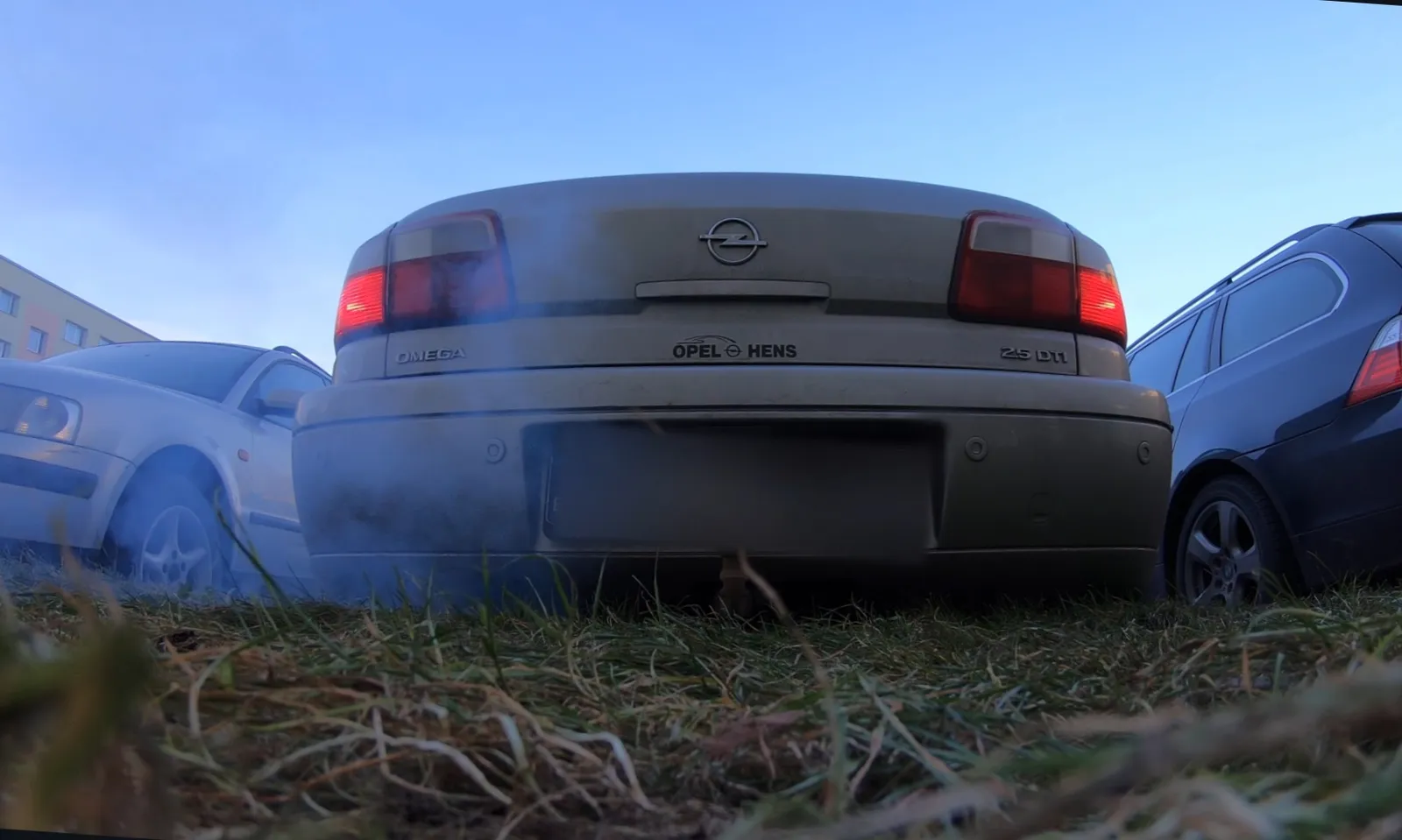
Blue smoke from the exhaust of an old Opel Omega as an illustration for Toyota’s proposal. After all, there would be no way to circumvent the restriction on using only approved fuels (c) Thecolarc / YouTube
Since the proposal was made at a time when France and Germany are trying to block Chinese electric vehicles in Europe, Toyota has labeled the entire proposal “Made with Europe.” The goal is to consider only those combustion engine vehicles produced by trusted business partners of the European Union—namely, the United Kingdom, Japan, or Turkey—as zero-emission vehicles. But the company also suggests that hydrogen fuel cell vehicles (FCEVs) should not be subject to the “Made with Europe” requirement, allowing China to seek solutions in this specific segment. It would also help promote hydrogen fuel as a solution.
In summary, Chinese internal combustion engines, even those meeting the VEEF criteria, would likely be poor quality because they don’t come from trusted partners of the European Union. However, treating Chinese hydrogen cars in the same way would be unfair—they are just as good as models from Japan.
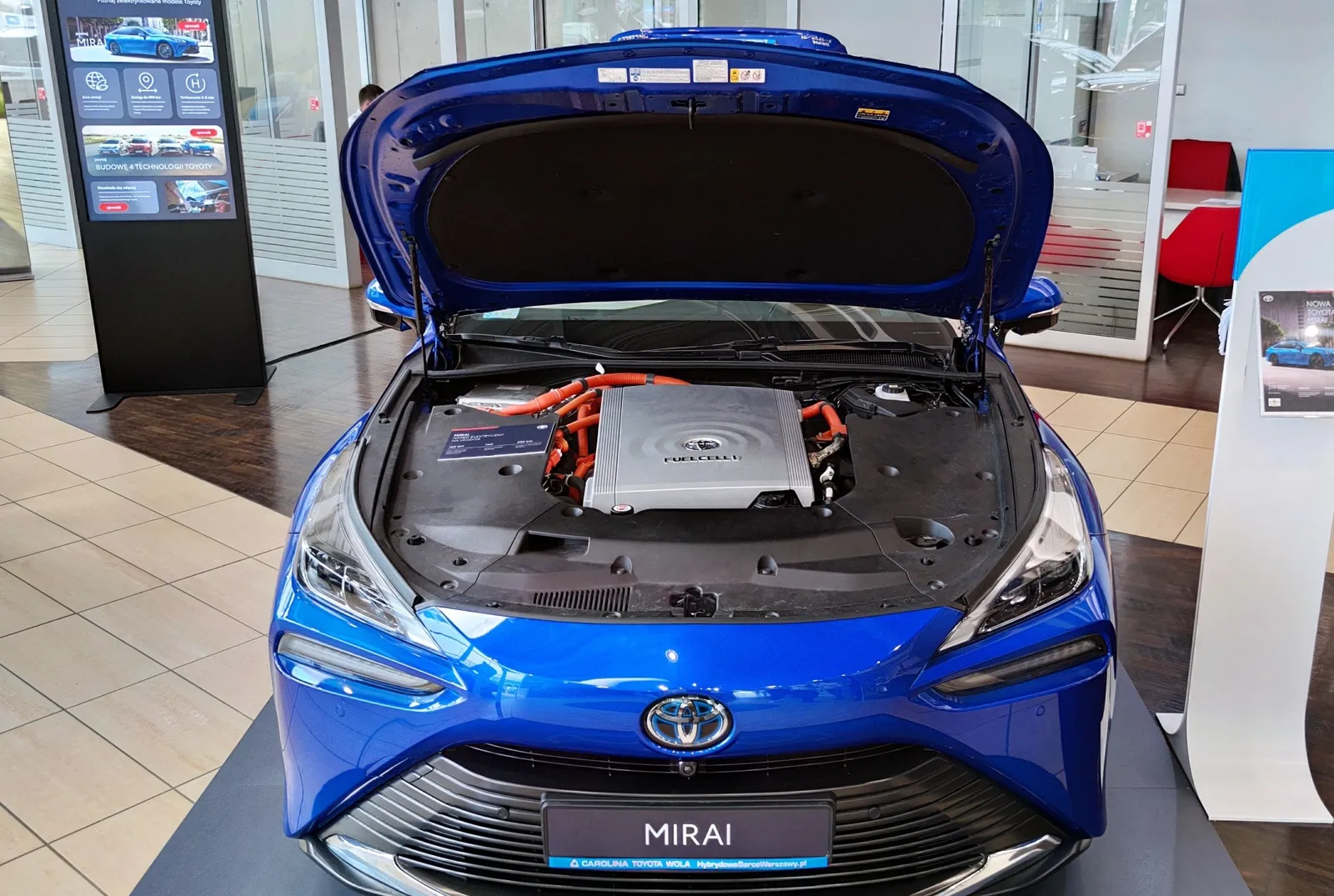
Editor’s note from Elektrowozu: If the Union agrees to this proposal, VEEF car owners will only be able to refuel at designated stations, meaning they will be under very strict control. It’s interesting to see what arguments they would use to defend this, just so they don’t have to use electric cars
Article rating
Readers’ ratings
[Total: 3 votes Average: 3.7]
Don’t miss new content — CLICK and FOLLOW Elektrowoz.pl on Google News. You might also be interested in the following ads: