
‘Toyota Battery Center in North America’ opens in Michigan
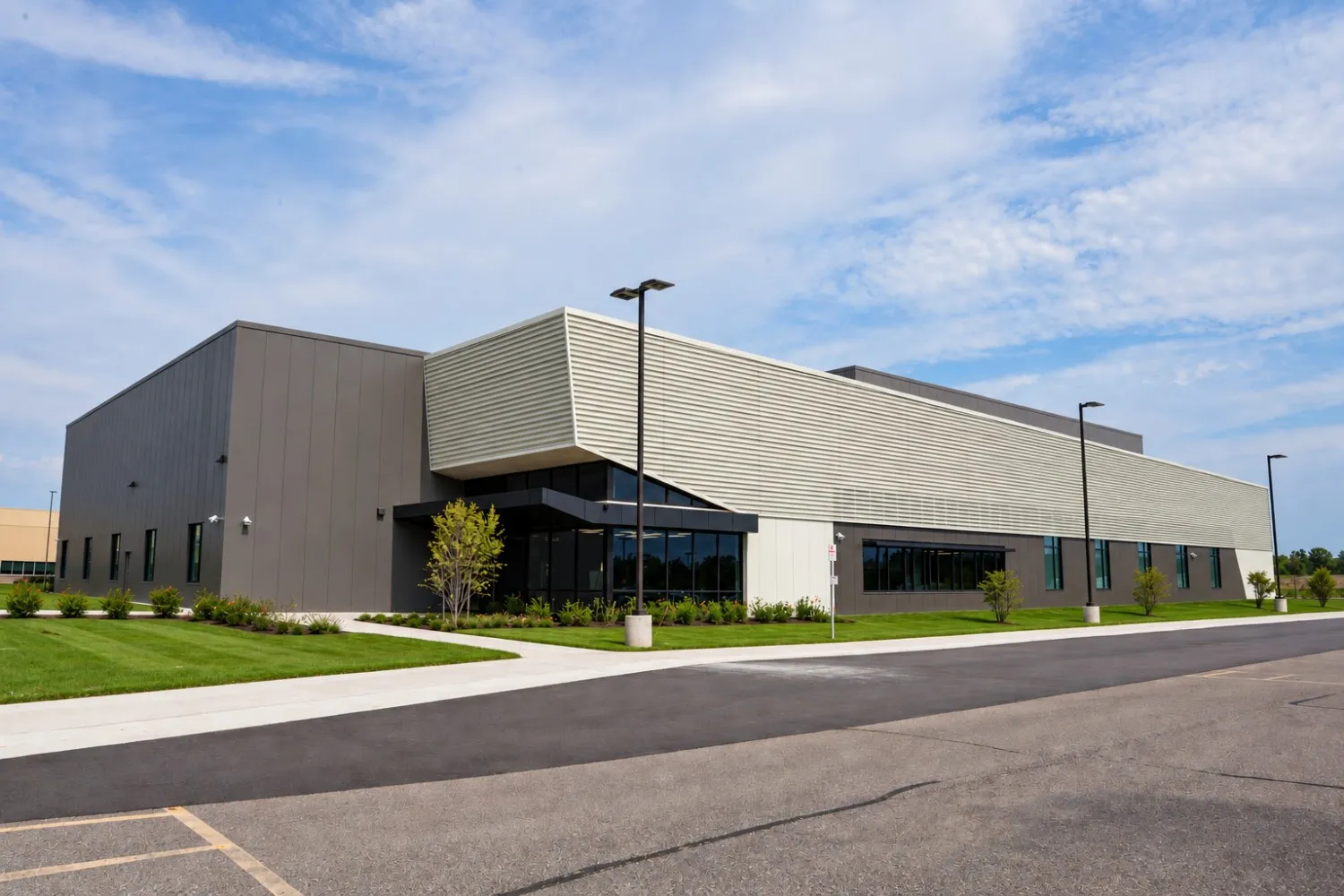
Toyota USA has opened a battery development centre in the US state of Michigan. The Toyota Battery Center of North America (TBC) in Saline is set to strengthen the automaker's battery testing and evaluation capabilities across the spectrum of electric vehicle batteries in the Japanese automotive company's "Multi-Path Strategy".
Image: Toyota
Toyota USA has announced that its new facility will provide Michigan-based battery teams with expanded capabilities for battery evaluation and development. The centre is said to cover all technologies across the entire battery development cycle from raw material procurement to customer applications and recycling. The approximately 2,800-square-metre facility is described by Toyota as a “central hub” intended to support its North American production network.
This network currently includes a battery plant in North Carolina, which opened in 2025, and several vehicle manufacturing plants across North America. The new battery plant is the first of its kind outside Japan. Located near the small town of Liberty, it is the twelfth manufacturing facility that the Japanese automotive giant has built in the US. Toyota stated that the investment for the plant, announced last year, amounts to 14 billion euros and that a total of 5,100 jobs are expected to be created at the site.
Toyota continues to pursue a multi-path electrification strategy, with its signature hybrids still playing a significant role, as well as hydrogen fuel cell vehicles, which also require small batteries. This means batteries for full hybrids, plug-in hybrids and hydrogen fuel cell vehicles will be tested, developed and evaluated at the Liberty plant. Toyota often refers to this approach as its “Multi-Path Strategy”, aiming to offer customers “a broad spectrum of sustainable mobility solutions”.
At the new development centre, Toyota teams will work in parallel on multiple new technologies for use in hybrid, plug-in hybrid, hydrogen, and battery-electric vehicles. “For Toyota customers, this facility means Toyota engineers can detect and resolve field concerns faster and closer to the source,” said Jordan Choby, Group Vice President of Powertrain. “It also means we can develop longer-lasting batteries designed to perform in the conditions American drivers face every day.”
Toyota also intends to open the facility to third parties, partnering with the University of Michigan’s Electric Vehicle Center. As a founding member of the Electric Vehicle Center, Toyota aims to underscore its commitment to training the next generation of battery engineers and technicians in Michigan through this programme.
“Toyota has long been at the forefront of battery development,” said Keita Moritsu, Senior Vice President and Chief Technology Officer, Toyota Motor North America R&D. “This center is where that leadership expands to North America — and where we’re building its next chapter.”
