
Toyota unveils new hybrid engine promising record fuel efficiency
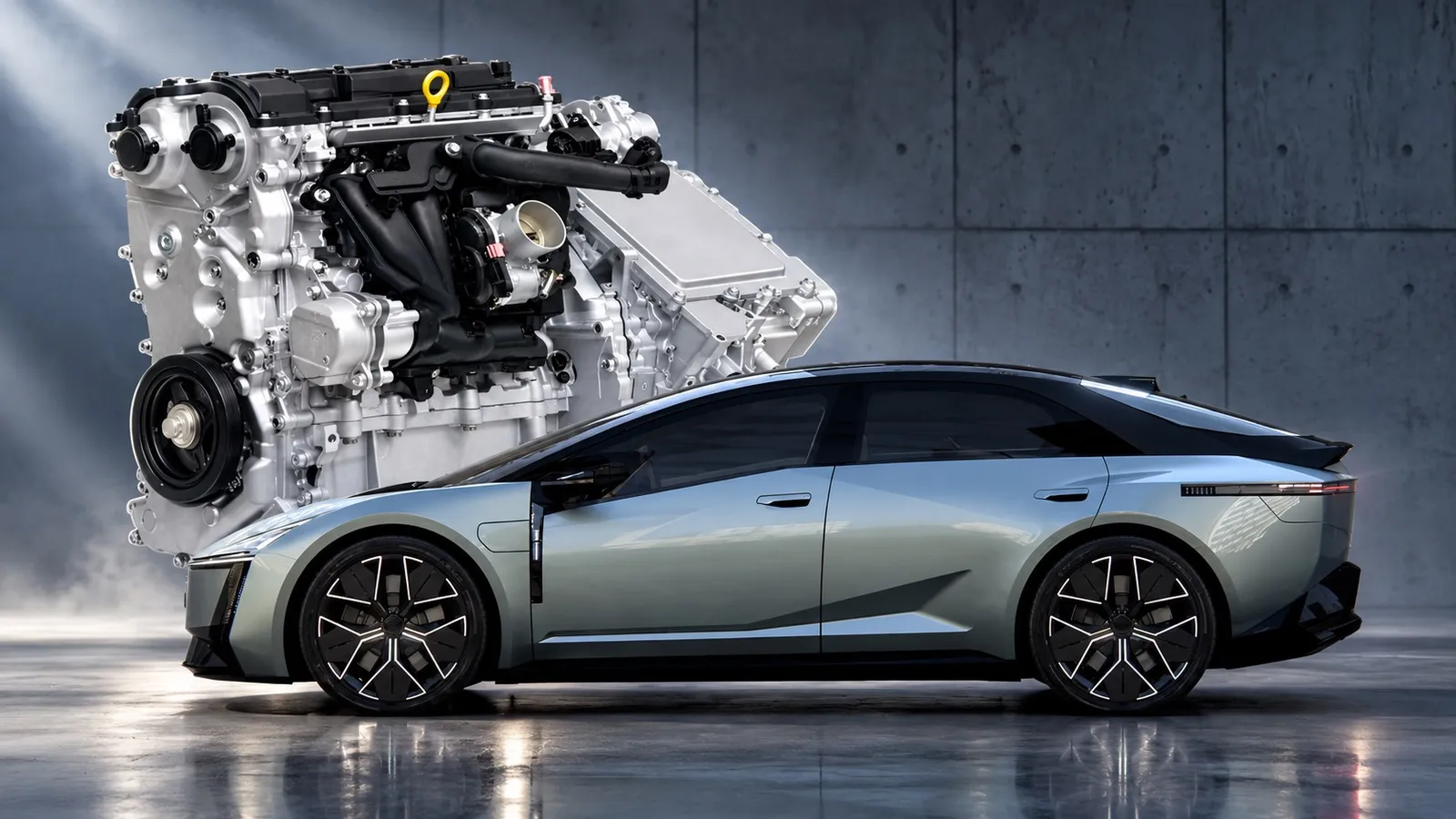
Toyota’s new hybrid engine is ready. Details are scarce, but one figure stands out: fuel consumption 15% lower than current models.
Toyota has just unveiled a new generation of hybrid engines that promise to reduce fuel consumption by more than 15% compared to the current generation. If this reduction holds true, a current-generation Corolla equipped with this new hybrid engine could achieve fuel consumption figures around 3.74 l/100 km.
Traditionally, the Japanese brand is very cautious in presenting its figures, so it’s likely this improvement will be even more significant. If confirmed, it would set a new benchmark in the automotive industry.
The major innovation is a completely new 1.5-liter four-cylinder engine, developed from scratch to work alongside more compact and efficient electrified systems.
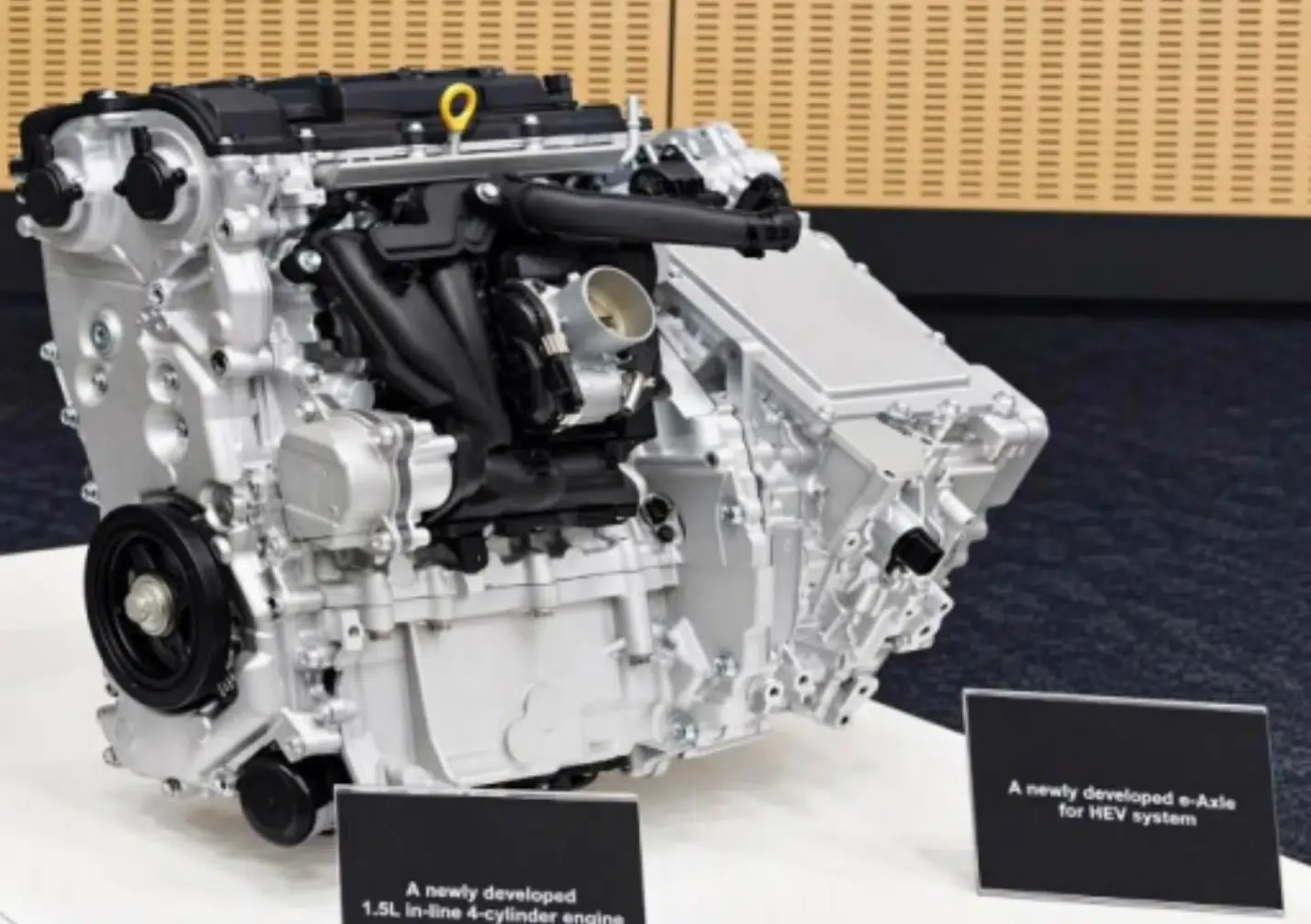
The new hybrid engine is a four-cylinder unit
Unlike many cases where an existing internal combustion engine is adapted for a hybrid system, Toyota developed all components to work together seamlessly. As a result, this new 1.5-liter four-cylinder engine will come in both naturally aspirated and turbocharged versions, both designed from the ground up to function alongside electrification technologies.
The naturally aspirated version was created to maintain the performance range currently offered by Toyota’s 1.5-liter and 1.8-liter three-cylinder and four-cylinder engines, which are found in models such as the Aygo X, Yaris, and Corolla.
But reducing fuel consumption depends not only on the combustion engine. The Japanese brand is also developing lighter and more compact electric motors, inverters, and power control units. Among the innovations is the use of silicon carbide electronic components, which help reduce energy losses.
Toyota aims for an improvement of over 15% in fuel efficiency with the new hybrid system. This goal is expected to be achieved through reduced mechanical friction, more efficient thermal management, lower electrical losses, and improvements in vehicle aerodynamics.
It is important to note that this figure is currently a development goal rather than a result of verified fuel consumption data. Yet it is a significant figure that suggests the possibility of achieving actual fuel consumption in the 3 l/100 km range.
Meanwhile, the Japanese brand continues to develop high-performance engines for its sports models. Naturally, fuel consumption takes a backseat:
Hybrids and electric vehicles will share the same platform
The second major innovation lies in the architecture of Toyota’s future models. The brand is developing a new multi-technology platform that will enable the production of hybrid, plug-in hybrid, and 100% electric vehicles from a common architecture.
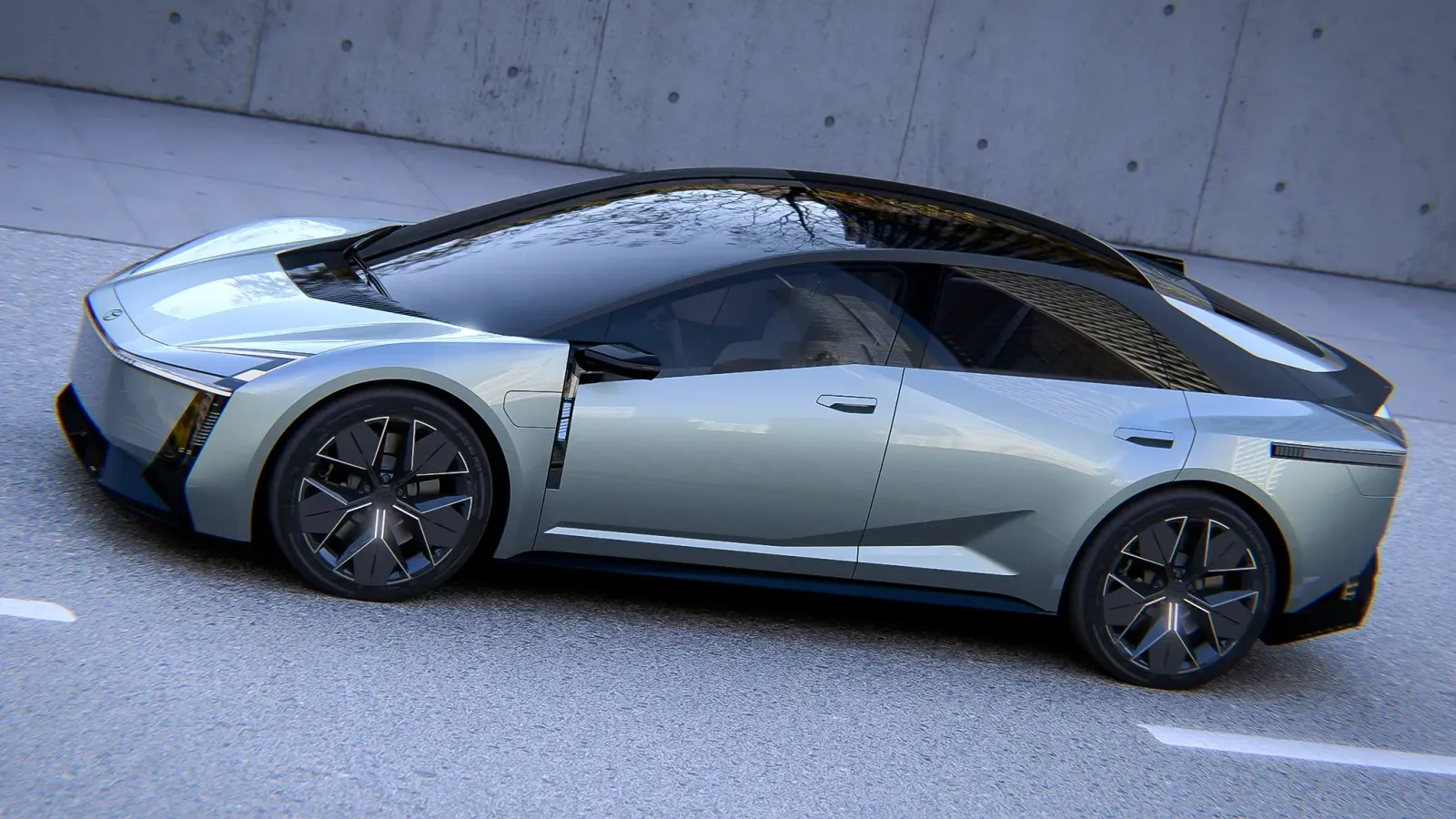
To achieve this, the new hybrid system was designed to take up less space. Toyota’s new hybrid engine features more compact dimensions, including in height. This characteristic allows for a lower hood height, improved aerodynamics, and greater flexibility for designers.
ADVERTISING
Discover Toyota’s hybrids
This solution also aims to preserve the interior space and proportions of vehicles, regardless of the engine chosen. From an industrial perspective, using a common architecture will enable Toyota to spread development costs across more vehicles and adjust production to meet the demands of each market.
It is an approach that reinforces Toyota’s multitechnology strategy, which continues to advocate for different propulsion solutions based on consumer needs and the energy conditions of each region.
The brand also confirms that the new system is being developed to work with renewable and carbon-neutral fuels, and that it aims to increase overseas sales of its engines and hybrid technologies in the coming years.