
Toyota and Waymo plan electric bZ4X robotaxis for Japan, with UK deployment to follow
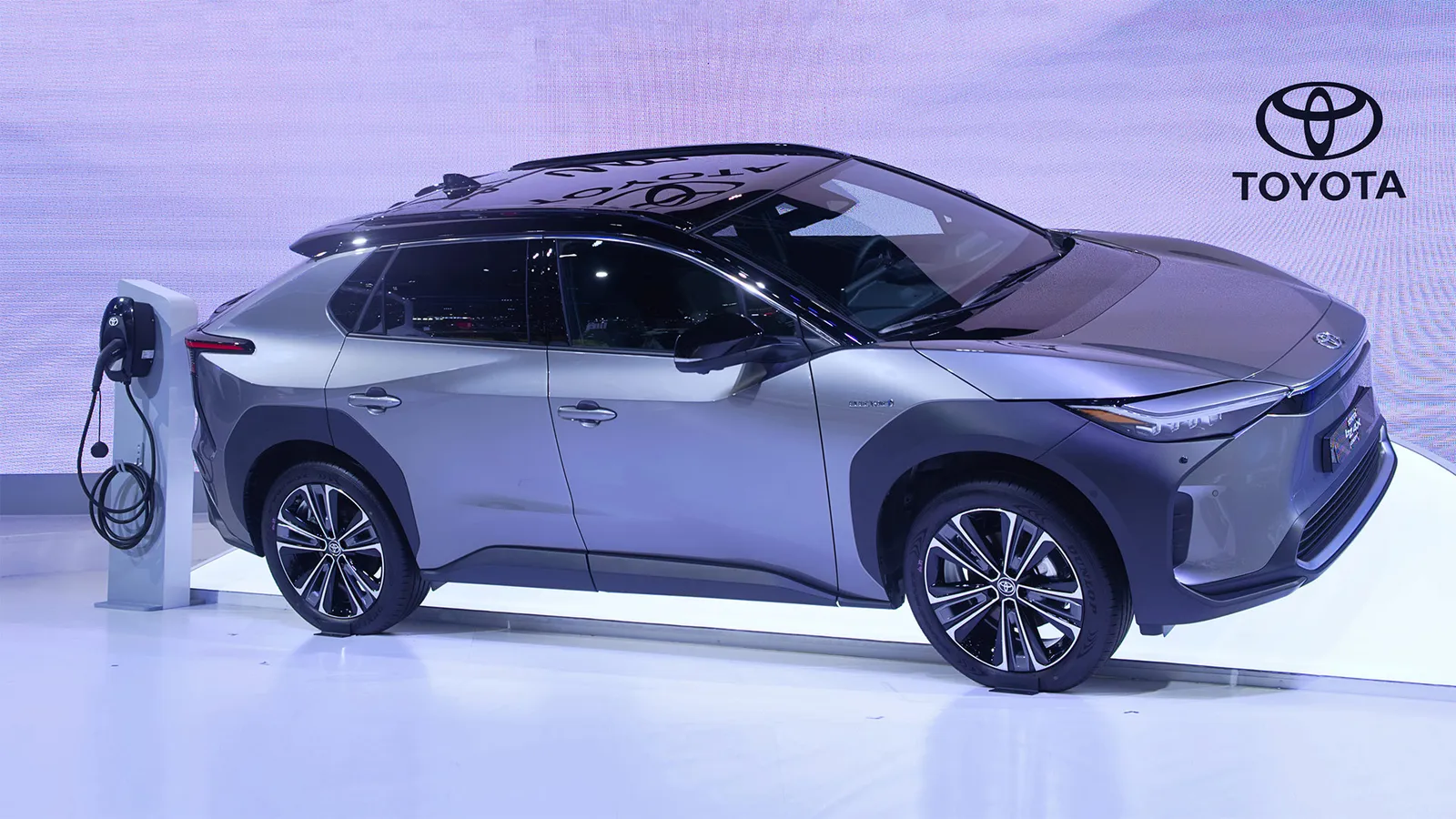
Toyota and Waymo will begin testing an autonomous fleet of Toyota bZ4X electric vehicles in Japan in 2027, with deployment in the UK and other markets served by Waymo planned for subsequent years.
The announcement moves the companies beyond their preliminary agreement of April 2025 and sets out a manufacturing base for the project. Toyota will assemble the vehicles and integrate Waymo’s autonomous driving hardware at its Takaoka factory in Toyota City, Japan.
For British passengers, the prospect is an electric ride-hailing service using Toyota vehicles equipped with Waymo’s driving technology. However, the companies have not announced a UK launch date, named British operating locations or disclosed how many vehicles will be deployed.
Their statement, issued on 30 October, describes the Japanese programme’s first operations as testing and validation. That leaves an important distinction between vehicles beginning trials in 2027 and a timetable for passengers to book a commercial service, which the announcement does not provide.
Toyota and Waymo say the collaboration will support Japan’s first fully autonomous ride-hailing service using domestically manufactured vehicles produced at high volume. The partnership brings together Toyota’s vehicle development and manufacturing capabilities with Waymo’s autonomous driving system, known as the Waymo Driver.
The vehicles are intended to support Level 4 autonomous operation. The announcement presents safety and wider access to transport as the principal aims, particularly for people who find it difficult to travel independently. Neither company has disclosed the operating boundaries or conditions for the planned Toyota fleet.
Choosing the battery electric bZ4X also gives the programme a clear connection to the transition away from combustion engines. The project centres on adapting an electric passenger vehicle for autonomous fleet use, although Toyota has not released technical specifications for the version Waymo will operate.
There are no announced figures for its battery capacity, driving range, charging performance or energy consumption with the autonomous hardware installed. The release also gives no details of charging infrastructure, depot arrangements or how vehicles will be scheduled around recharging during service.
Those omissions mean it is too early to assess the fleet’s operating economics or compare its usable range with a privately owned bZ4X. The confirmed development is the choice of vehicle and production site, alongside a target year for the start of Japanese testing.
At Takaoka, Toyota plans to handle the entire manufacturing process under one roof, from assembly of the base vehicle to installation of Waymo’s hardware. That arrangement puts integration of the autonomous equipment within the vehicle production operation, rather than describing it as a separate subsequent conversion.
The companies link this approach to their ambition to scale autonomous vehicles internationally. However, no annual production capacity, investment figure or delivery target accompanies the announcement, leaving the eventual size and pace of the manufacturing programme unspecified.
The passenger compartment will also receive attention. Toyota says the specially equipped bZ4X will offer generous rear legroom, automatic doors, a powered tailgate and ambient lighting, with the changes intended to improve comfort and make entering and leaving the vehicle easier.
These features address practical aspects of travelling without a driver providing assistance at the door. However, the statement does not specify wheelchair accommodation or describe arrangements for passengers who require personal assistance. Its wider accessibility ambitions therefore extend beyond the equipment details disclosed so far.
Safety is central to the companies’ case for the partnership. They say combining Toyota’s vehicles with Waymo’s autonomous technology could reduce accidents caused by human error and make transport available to more people. These are the project’s stated objectives, rather than results demonstrated by the proposed bZ4X fleet.
Waymo co-chief executive Dmitri Dolgov said the company’s operations had shown it to be up to 20 times safer than human drivers when measured against serious crash injuries. He also said Toyota’s reputation for safety, reliability and quality had informed Waymo’s choice of partner.
The injury comparison is Waymo’s claim and relates to areas where its vehicles already operate. The release does not include the underlying study, sample size or methodology, and it does not establish how that comparison would translate to Toyota vehicles operating in Japan or Britain.
That distinction matters because the announced Japanese testing and validation work has yet to begin. The companies are proposing to introduce a new vehicle configuration and expand its use geographically, while drawing on experience from Waymo’s existing autonomous operations.
Toyota executive vice president and board member Hiroki Nakajima said safety technology delivers its greatest benefit when it reaches large numbers of people. He described the partnership as a way to bring the technology to customers in Japan and elsewhere through Waymo’s ride-hailing service.
Nakajima also pointed to Toyota’s continuing exploration of connections between vehicles and traffic infrastructure as another route to improving road safety. The announcement does not identify any specific infrastructure installation, participating road authority or trial location associated with that strand of work.
For Toyota, the agreement gives its electric SUV a role in a service where the vehicle and driving system are developed by different partners. For Waymo, it establishes a route to vehicles built and equipped within Toyota’s manufacturing operation. The announcement therefore concerns both the transport service passengers may eventually use and the industrial arrangements needed to supply it. Whether that ultimately translates into a substantial British fleet will depend on the deployment plans that follow the Japanese programme.
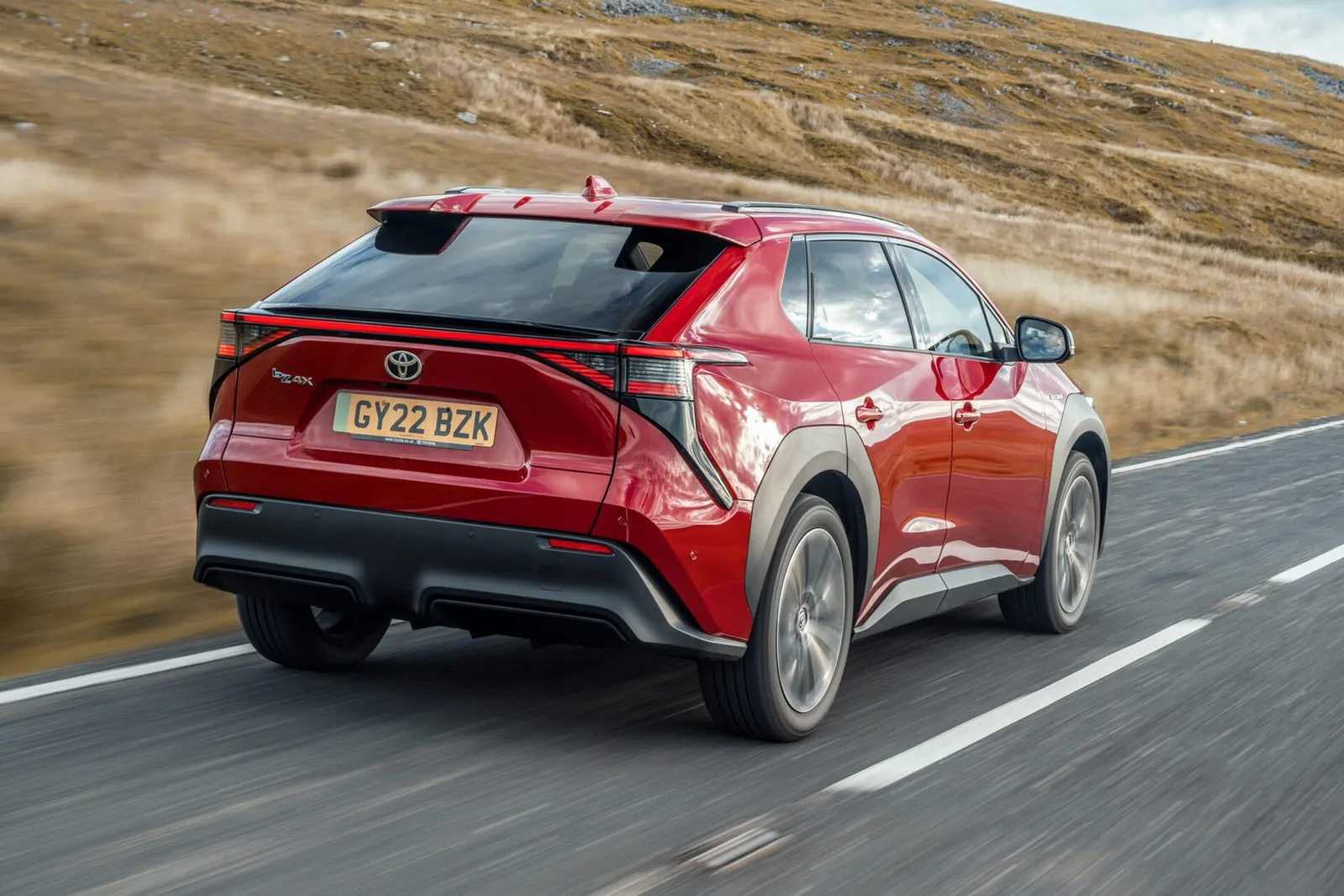
Beyond the ride-hailing fleet, Toyota and Waymo will continue exploring autonomous technology for privately owned Toyota vehicles. This remains an exploratory commitment: no consumer model, availability date, price or specification for an autonomous system in a privately purchased Toyota has been announced.
For prospective EV buyers, the fleet agreement consequently provides no basis for assuming that the same capabilities will be offered on a showroom bZ4X. The immediate programme concerns vehicles prepared for Waymo operations, with personal ownership described as a separate area of continuing investigation.
Woven by Toyota will participate in further work examining how Waymo’s operational experience, data and technology could improve safety for other road users. The companies have not detailed the resulting products or services, or set a timetable for bringing those ideas into use.
The broader ambition is to apply lessons from autonomous driving beyond the passengers inside the vehicles themselves. Alongside the manufacturing programme and possible consumer applications, this gives the collaboration several strands, although the Japanese fleet is the element with a stated start year.
For now, the next concrete milestone is the beginning of bZ4X testing and validation in Japan in 2027. British deployment sits further along the proposed expansion path, with essential details about timing, coverage, fleet numbers and passenger access still to be announced.