
Toyota would like its internal combustion engine cars to be considered as... zero-emission vehicles
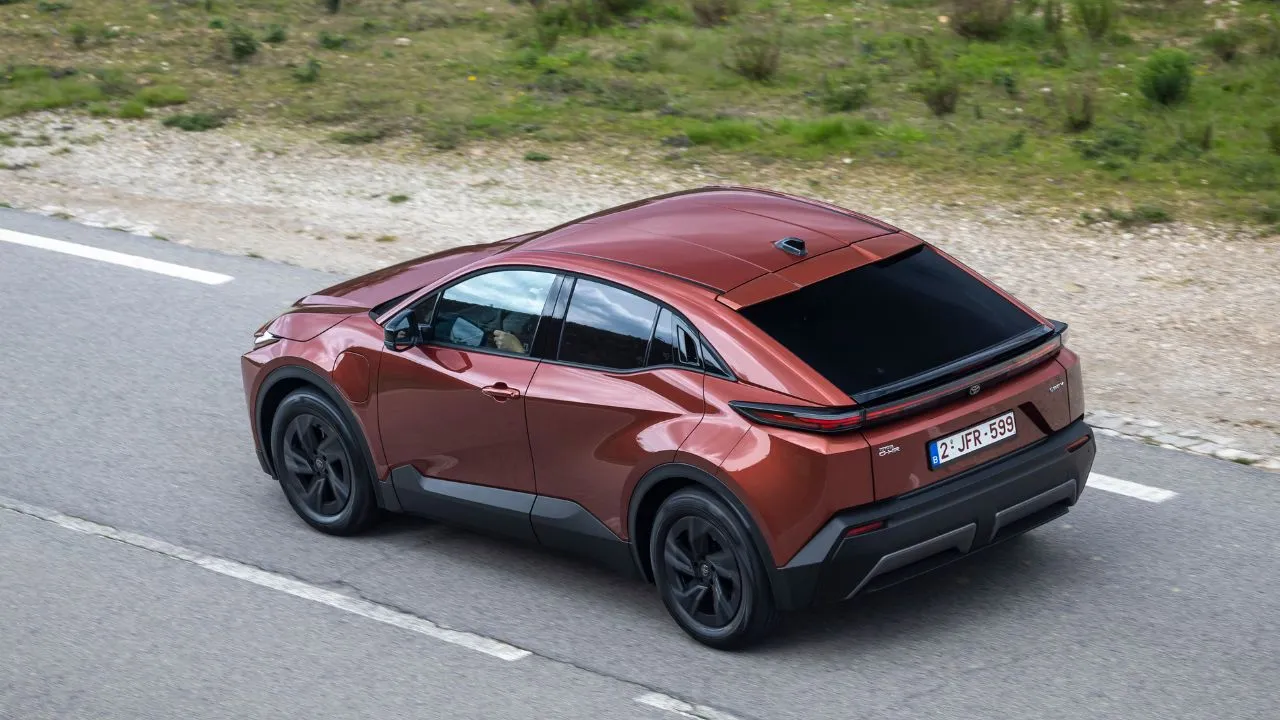
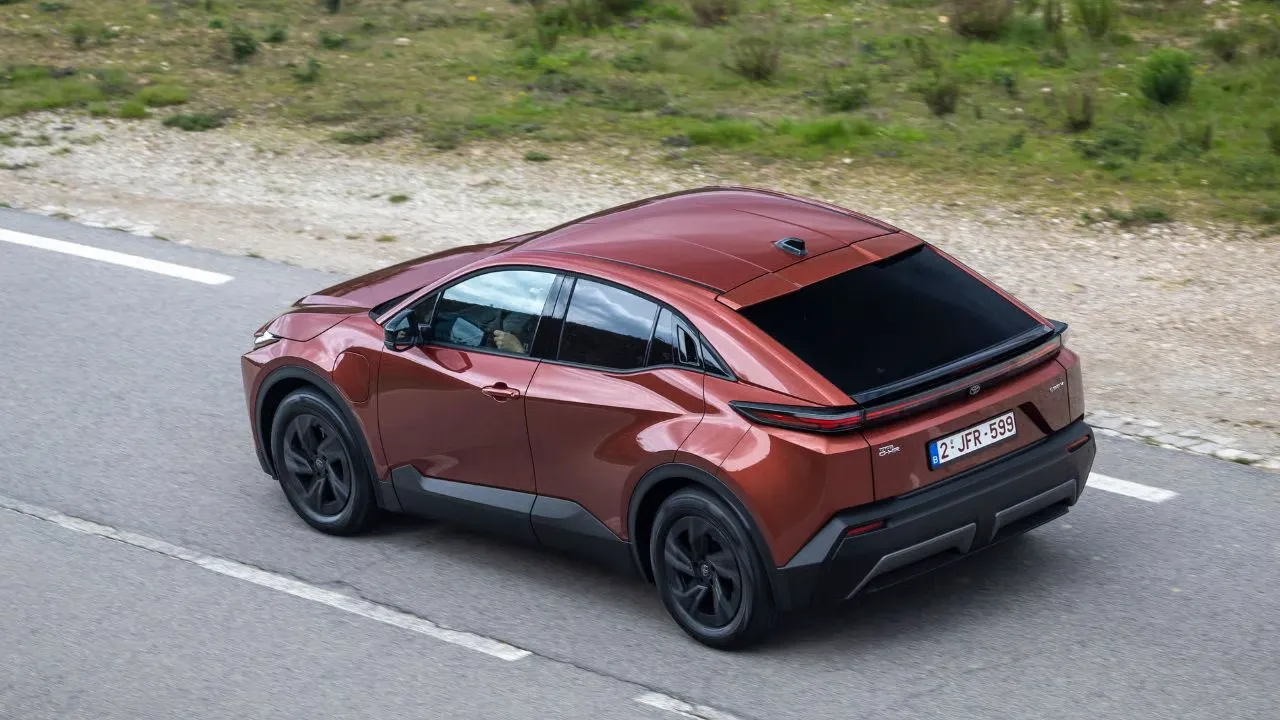
As the European Union negotiates the future of automobiles after 2035, Toyota is putting forward its own proposals. The Japanese automaker calls for greater flexibility in CO2 emission reduction targets and wants certain internal combustion engine vehicles to be considered zero-emission cars. This stance reignites the debate over the role of renewable fuels.
The future of internal combustion engines continues to divide automakers. While France and Germany have just reached an agreement on evolving European regulations, Toyota is entering the debate. The Japanese giant advocates for an approach that focuses less on electric vehicles without questioning the climate goals set by Brussels.
Internal combustion engines considered zero-emission?
In fact, Toyota wants vehicles that run exclusively on certain renewable fuels to be eligible for zero-emission vehicle status. In other words, a car equipped with an internal combustion engine could be placed in the same regulatory category as a battery-electric model...
Also read
The Leapmotor B10 manufactured in Europe: good news for French buyers
Yet today we know that even when powered by a renewable fuel, a thermal engine continues to emit CO2 through its exhaust. The climate benefits depend largely on the production of the fuel, its origin, and its entire life cycle. Therefore, zero exhaust emissions and carbon neutrality are not synonymous.
Toyota also wants to relax European targets
The manufacturer advocates for a 90% reduction in CO2 emissions by 2035, along with mechanisms for flexibility. For 2030, it calls for an extended compliance period from 2028 to 2032. Toyota believes that the growth in electric vehicle sales may be slower than what regulations anticipate.
The company does not abandon electric vehicles for that reason, as evidenced by its development of models based on the Toyota bZ4X and C-HR+. However, it aims to retain several technological solutions, including hybrids, hydrogen, and renewable fuels, to support the transition.
A less strict “Made in Europe” standard...
Toyota also uses this stance to defend its industrial presence. The manufacturer wants Europe to recognize certain trading partners, notably Japan, Turkey, and the United Kingdom, in its future rules regarding local production. It proposes a goal of 70% European content after three years, including the value created through research, engineering, and assembly. For example, Toyota assembles the C-HR in Turkey.
So, how far can Europe relax its rules without slowing down the development of electric vehicles? Because behind the defense of technological neutrality lies the allocation of industrial investments for the coming years as well.