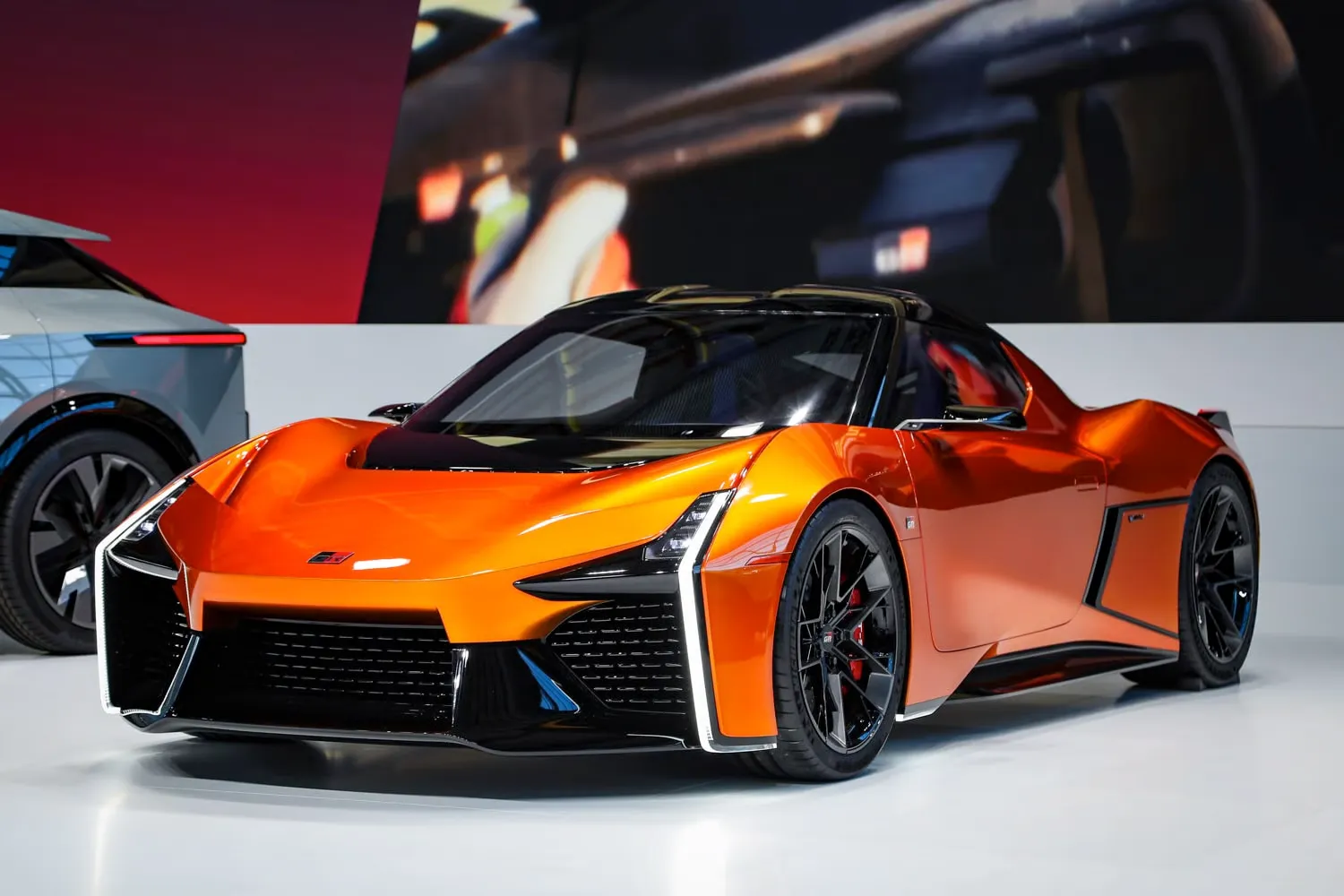
Toyota has found a trick to make its future electric sports cars even lower.
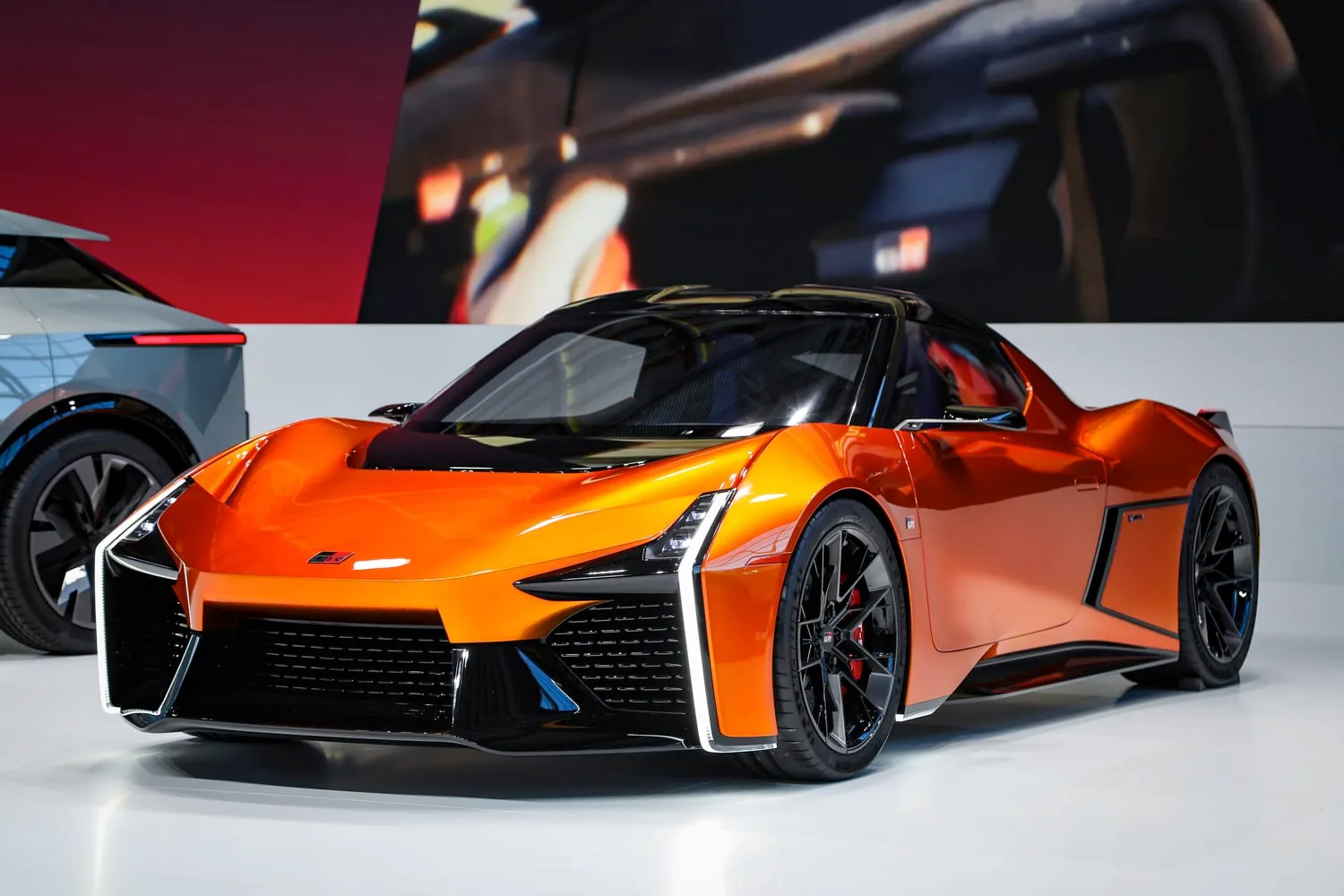
An electric car doesn’t have a large internal combustion engine under its hood. Yet, designing an electric sports car with a very low front end remains a real challenge. Toyota has just filed a patent describing a new arrangement of engines and technical components that could help solve this problem. It’s an ingenious solution, but it still raises a few questions.
Electrification gives automotive designers more freedom. By eliminating the internal combustion engine and its traditional transmission, manufacturers can envision different vehicle silhouettes with more original proportions and larger interiors. But this freedom has its limits. In an electric car, the space between the front wheels remains occupied by numerous components: motors, gear reducers, power electronics, charging systems, and cooling devices. All these elements take up space and can prevent designers from lowering the hood sufficiently.
It is precisely this problem that Toyota aims to address. In a recent patent identified by Carmoses, the Japanese automaker describes a technical architecture designed to reduce the height of the front section of an electric vehicle. The goal is clear: to facilitate the design of electric sports cars with low, aerodynamic lines.