
Top 5 gadgets we wish to see again in our cars
Cars have never been more technologically advanced, but progress doesn’t always go in the right direction. After years of fully touch-based interfaces, physical buttons are making a comeback in car interiors. This shows that some once-abandoned features can eventually win back manufacturers’ favor. Here are 5 features we’d like to see in modern cars again.
A few years ago, removing buttons seemed like a necessary step to give a car a modern appearance. Today, that trend is starting to reverse. Volkswagen, for example, is reintroducing real controls in its new interiors. Mercedes also admits it went too far by eliminating buttons.
Since 2026, Euro NCAP, the organization responsible for evaluating the safety of new cars, has also begun to give more consideration to the ease of access to essential controls in its vehicle assessments. In other words, returning to an older design doesn’t necessarily mean regression. So why stop at buttons?
Over the years, other features have been removed to save a few kilograms, a few euros, or simply to keep up with current trends. Some of them aren’t missed by us. Others, however, would definitely deserve a second chance.
1 – High-quality fabric seats
As we move to higher-end models, leather or its synthetic equivalents remain very common in product catalogs. They convey a premium image and also allow manufacturers to create interiors that look more luxurious. But high-quality fabric is by no means a low-end solution. On the contrary, it heats up less when a car is parked in direct sunlight, feels more comfortable to the touch in winter, and avoids the slightly sticky sensation that some synthetic seat covers can cause in summer.
There is also the real issue of comfort. With a well-chosen texture, a fabric seat can provide better support than a very smooth one. In fact, some brands still use textiles, wool, or recycled materials in their high-end models, proving that fabric can also be elegant. Kia even took this further in the interior of an EV3 by incorporating apple and mushroom waste. It won’t be sold commercially, but it offers an interesting direction.
The more expensive a car is, the harder it becomes to avoid synthetic leather... which is a shame! We would therefore like to see more beautiful, thick, original fabric upholstery offered beyond just in entry-level models. We liked what the Peugeot e-LEGEND concept car had, with cushions inspired by the 504 Coupé.
2 – A Dashboard Facing the Driver
Minimalism has also eliminated traditional instrumentation on some models. To simplify the dashboard, several manufacturers have chosen to move most of the information to the central screen. This is the case with Tesla’s electric cars, the Volvo EX30, Mini Cooper and Aceman, as well as the base version of the new Hyundai Ioniq 3. Speed, remaining range, fuel consumption, or navigation cues end up slightly outside the driver’s line of sight.
It’s not dramatic and one can get used to it, but it still forces the driver to look away more often. A proper screen placed behind the steering wheel remains a very natural solution. The main information is immediately visible, without having to search for it among the interface elements.
A head-up display can fulfill this function, sometimes even better since it projects the information directly into the driver’s field of vision. But it is still far from being widespread and often reserved for higher-end models or offered as an option. As screen costs continue to drop, we hope the screen facing the driver will once again become the standard rather than an optional feature.
3 – A knob to adjust brightness
It’s a small detail, but it perfectly illustrates how some simple functions have become complicated with the digitization of interiors. For a long time, adjusting the brightness of gauges required just one action—a small knob located to the left of the steering wheel or near the instrument panel allowed immediate adjustment of the lighting intensity. Today, with the increase in screens, this function hasn’t disappeared. It’s just been moved elsewhere... and sometimes (often) it’s very difficult to access!
This is certainly not insurmountable, but it can’t be called a sensible advancement. At night, when the brightness of a screen becomes bothersome, one would simply like to be able to reach out and turn a knob. Some cars automatically adjust the intensity based on ambient light, but the result isn’t always perfect. A good old manual control would still work very well. There’s no shame in bringing back physical buttons.
4 – A Real Spare Tire
It was once a standard part of the equipment. Today, finding a real spare tire under the trunk floor is almost a surprise. It has gradually been replaced by an anti-flat tire or a small kit consisting of a compressor and a sealing agent. The logic is easy to understand: an extra tire takes up space, adds weight, and costs more to produce.
In an electric vehicle, these factors become even more significant. Every extra kilogram affects consumption and thus range. Batteries also take up a lot of space under the floor, leaving less room to fit a complete spare tire. But when a flat occurs, things become much less convenient... A kit can be useful if a small object punctures the tire tread. However, it’s of little help in cases of a torn tire or severe leakage!
5 – A rear window that opens separately
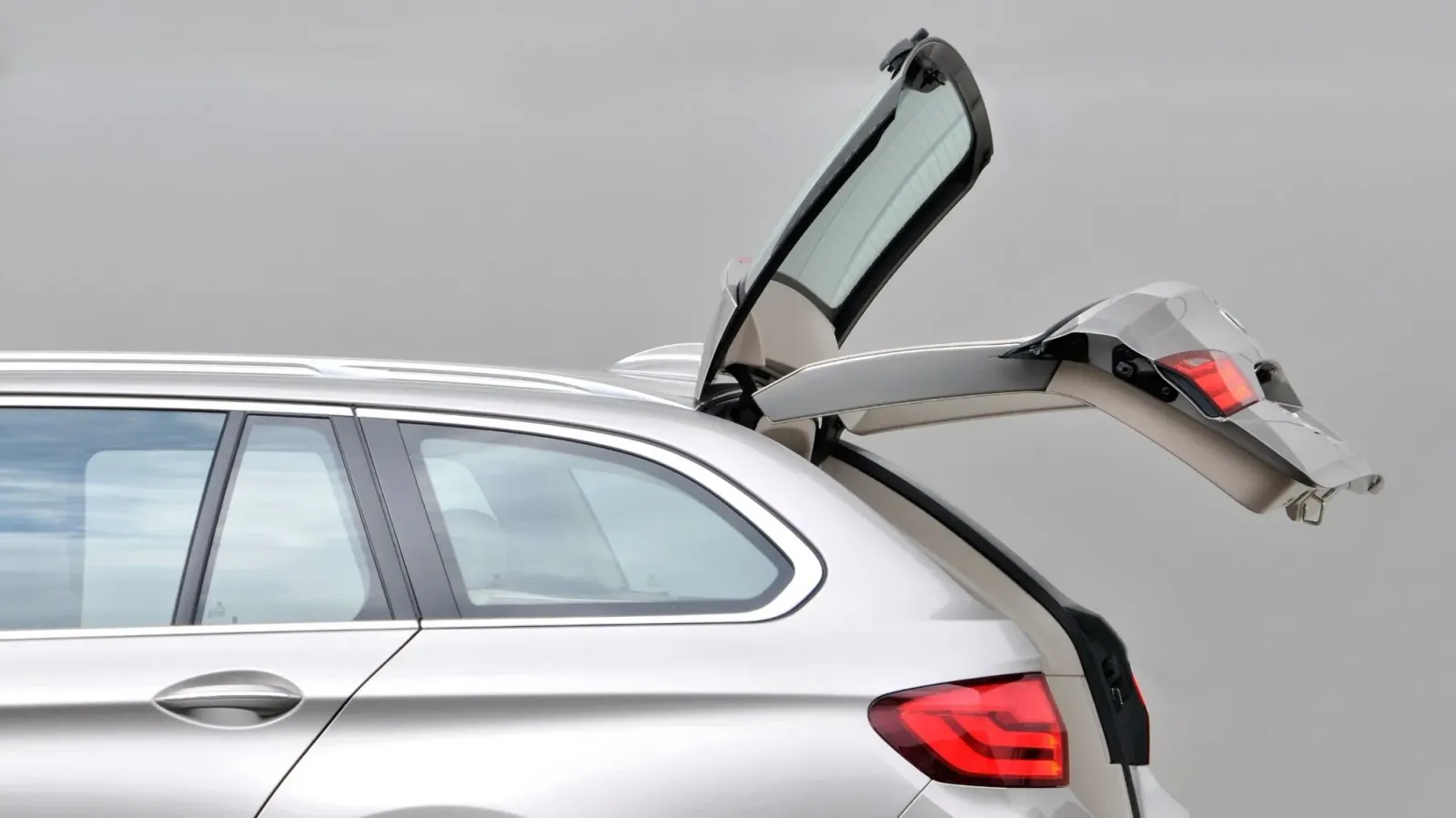
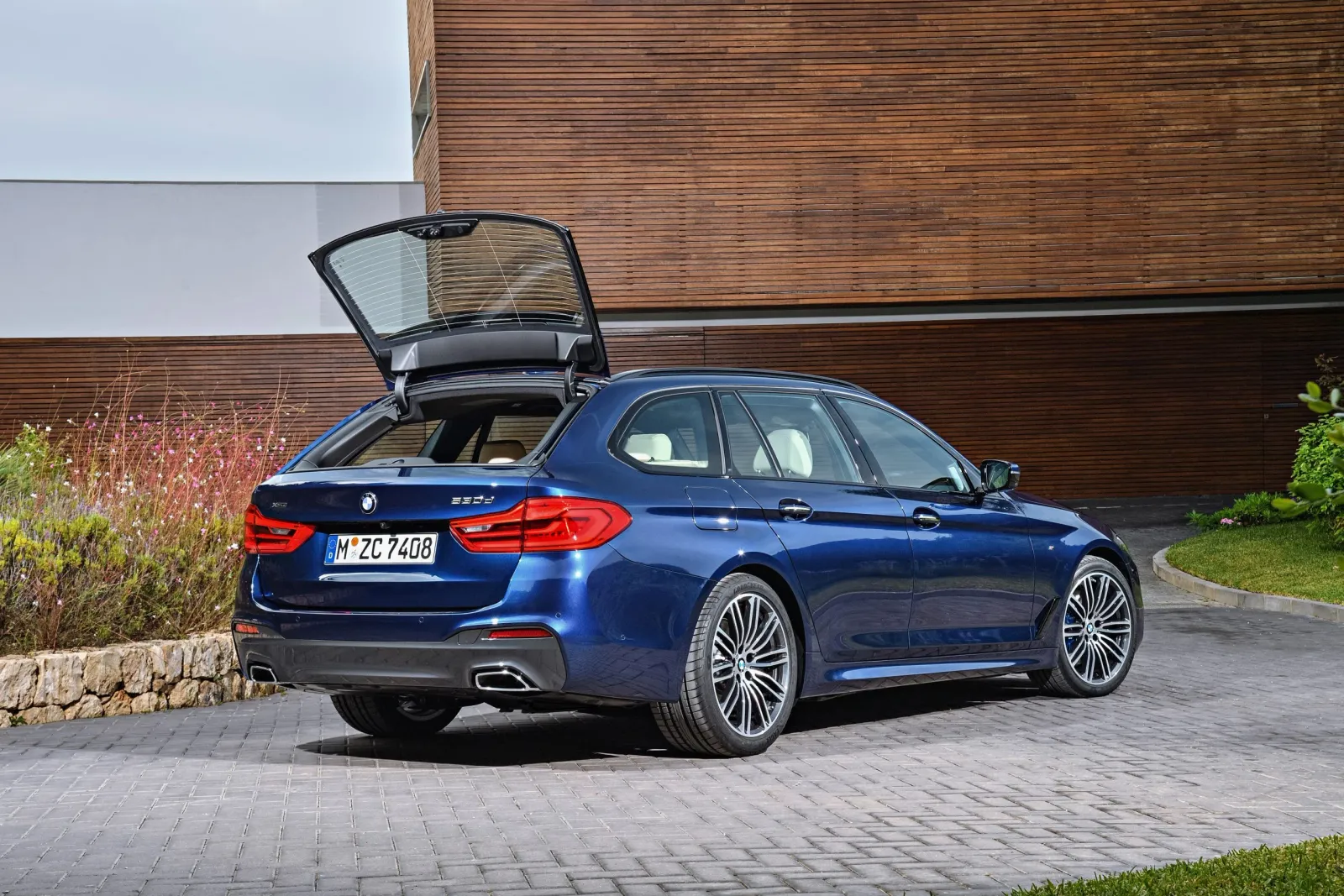
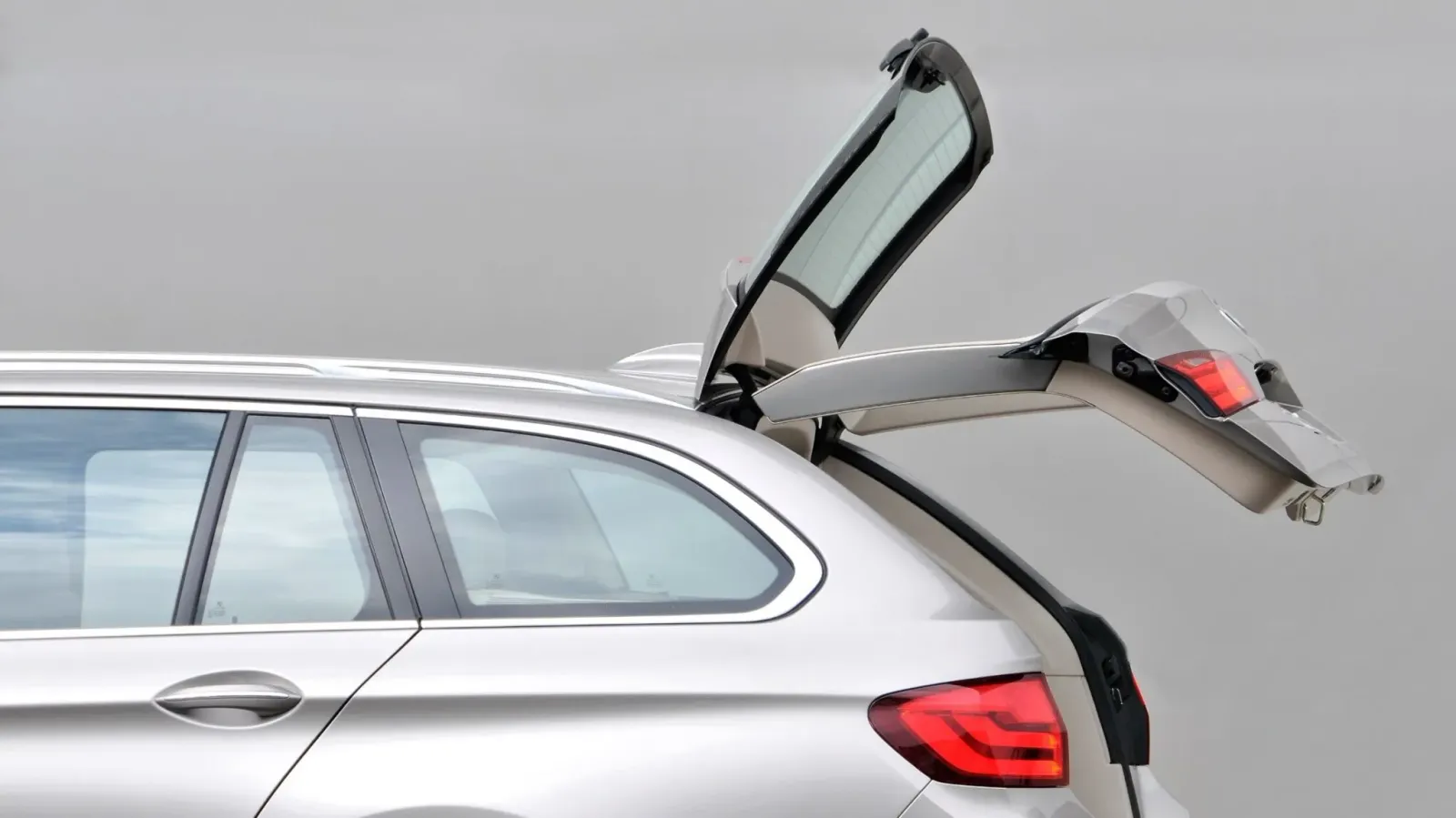
This is an accessory that was never essential, but could be extremely convenient. On some station wagons, SUVs, or minivans, it was sometimes possible to open only the rear window without lifting the entire trunk. It was a very practical system for quickly placing a bag down, retrieving a jacket, or loading a small item. In a parking garage or against a wall, fully opening a large trunk can sometimes be difficult. With an independent rear window, this problem didn’t exist.
Of course, this solution required additional hinges, seals, and a separate mechanism. In an industry focused on simplifying production and reducing costs, it gradually disappeared. It’s a shame, as it’s typically the kind of accessory whose usefulness becomes apparent only after using it for a few years.
Bonus: foldable headlights
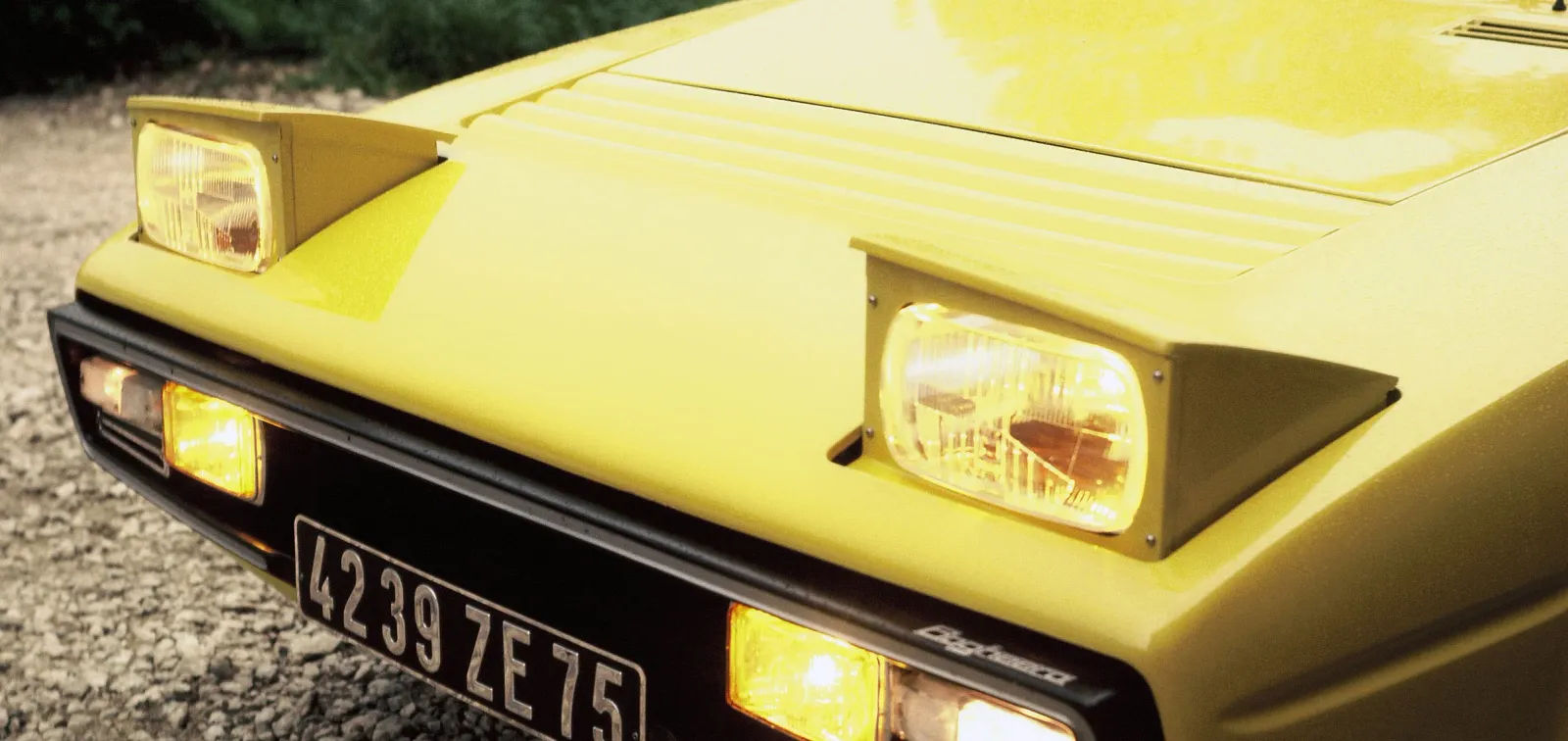
Well, one must know how to treat oneself in life. What if we brought back foldable headlights? Sure, they add weight, complicate aerodynamics, require an additional mechanism, and no longer meet current safety standards. But it’s enough to see a first-generation Mazda MX-5, a Ferrari Testarossa, or a Lamborghini Countach unfold its headlights to understand why they still hold a special place in automotive imagination.
In an era where brands compete with complex lighting signatures and LED strips running across the entire front, two headlights that gently emerge from the hood ultimately have something delightfully simple about them. You don’t demand such headlights for comfort or safety—just because it looks cool.
